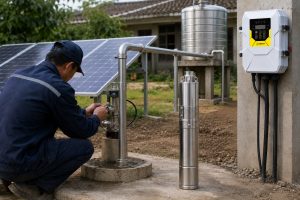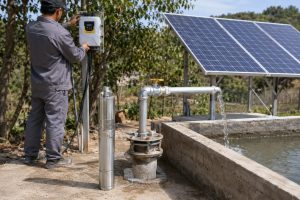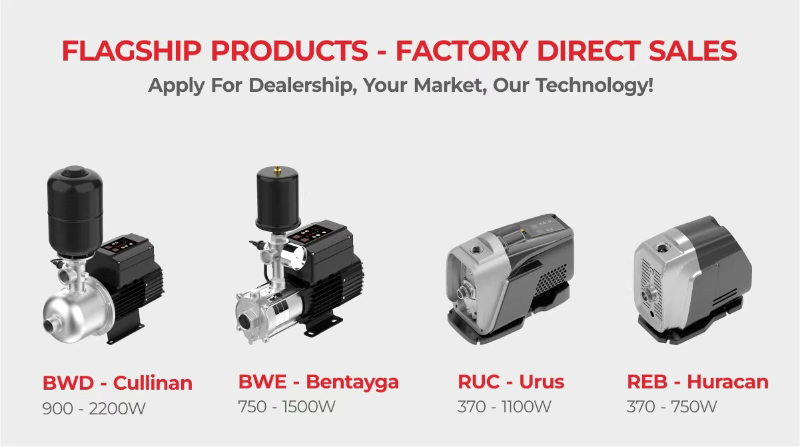
Pump failures are costly, causing unexpected downtime and production losses.
They disrupt operations, create safety hazards, and require expensive emergency repairs.
But what if you could prevent most of them?
The single most common cause of pump failure is contamination.
Industry studies estimate that a staggering 70% to 80% of all hydraulic pump failures are directly linked to fluid contamination.
This includes solid particles, water, and air, which silently destroy a pump from the inside out.
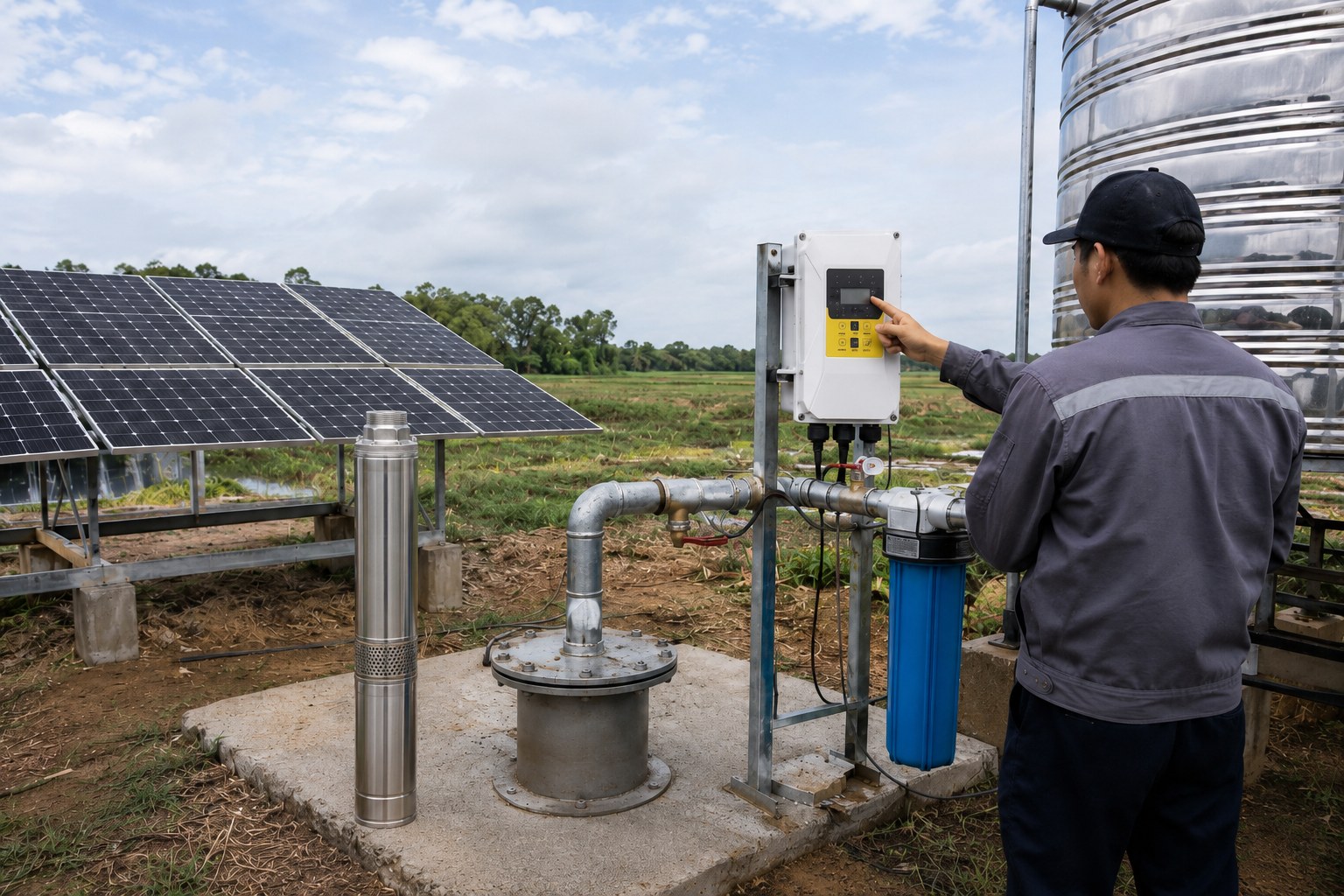
Understanding the root causes of pump failure is the first step toward building a more reliable and cost-effective operation.
While contamination is the biggest culprit, it's not the only threat lurking in your system.
Issues like cavitation, seal leaks, bearing wear, and improper operation all contribute to a pump's early demise.
By exploring each of these failure modes, we can identify proactive strategies to extend equipment life, reduce downtime, and improve overall efficiency.
This knowledge is crucial for anyone managing water systems, from large-scale agriculture to residential supply.
Let's dive into the most common failures and how to prevent them.
Contamination: The Silent Killer of Pumps **
Your pump's fluid is its lifeblood, but contamination can turn it into poison.
Dirt, rust, and debris grind away at sensitive components, leading to rapid wear and catastrophic failure.
Contamination is the leading cause of hydraulic system failures, accounting for up to 80% of cases.
Solid particles act like sandpaper, while water causes corrosion and reduces lubricity.
Keeping the fluid clean, cool, and dry is the most effective strategy to prevent these failures.
To truly grasp the impact of contamination, we need to look closer at its sources and effects.
It's not just about big particles you can see; microscopic debris can be even more destructive over time.
This is why a multi-faceted approach to cleanliness is essential for long-term pump reliability.
Understanding Contamination Types
Contamination isn't a single problem; it comes in many forms.
Each type attacks your pump in a different way.
- Solid Particles: These include dust, sand, rust, and metal shavings from component wear. They cause abrasive wear on tight-tolerance parts like impellers, seals, and bearings.
- Water Contamination: Water in hydraulic or lubricating oil reduces its lubricating properties, promotes rust, and can lead to the formation of sludge and varnish. In coolant systems, using tap water instead of distilled water introduces minerals that cause scaling and corrosion.
- Air Entrainment: Air bubbles in the fluid can lead to cavitation, reduce system efficiency, and cause the fluid to oxidize more quickly, degrading its quality.
The High Cost of a Dirty System
The financial impact of contamination goes far beyond the cost of a replacement pump.
It creates a ripple effect of expenses that can cripple a budget.
| Cost Factor | Description | Estimated Impact |
|---|---|---|
| Downtime | Lost production or water access while the system is down for repair. | Can amount to thousands of dollars per hour. |
| Repair Costs | Labor and parts for not just the pump, but potentially other damaged components. | Often 3-5 times the cost of the initial pump. |
| Energy Waste | Contaminated systems run less efficiently, consuming more power. | A 15-20% increase in energy consumption is common. |
| Reduced Lifespan | Components wear out prematurely, requiring more frequent replacement. | Can reduce a pump's expected service life by over 50%. |
Proactive Contamination Control
Preventing contamination is far cheaper than dealing with its consequences.
A robust strategy involves a few key steps.
First, always use high-quality fluids and ensure they meet the cleanliness targets for your specific system.
Second, implement quality filtration.
This includes using high-efficiency filters in the right locations and considering offline filtration systems to continuously clean the fluid.
For applications in harsh environments with high sand or silt content, choosing the right pump is critical.
For example, solar screw pumps are designed with a stainless steel screw and a rubber stator.
This design is inherently more resistant to sand and abrasive particles than many centrifugal designs, making them ideal for deep wells in regions with challenging water conditions.
They effectively push water through compression, minimizing the abrasive effect of particles on high-speed rotating parts.
Cavitation: The Destructive Force of Bubbles **
Have you ever heard a rattling or crackling noise from your pump, like it's pumping gravel?
This is often the sound of cavitation, a process that can tear a pump apart from the inside.
Cavitation occurs when low pressure at the pump's inlet causes liquid to form vapor bubbles.
These bubbles collapse violently as they move to a higher-pressure area, creating mini-implosions.
This process erodes impellers, damages internal components, and drastically reduces pump efficiency and lifespan.
Cavitation is one of the most misunderstood pump problems, yet its effects are devastating.
It not only creates noise and vibration but also directly attacks the metal surfaces inside the pump.
Understanding how to prevent it is crucial for ensuring a long and efficient service life for your equipment.
The Physics of Failure
To prevent cavitation, you must ensure the pump has enough Net Positive Suction Head (NPSH).
This is a measure of the absolute pressure at the pump inlet.
There are two types of NPSH:
- NPSH Available (NPSHa): This is a characteristic of your system. It is the actual pressure at the pump suction nozzle. It is determined by the height of the fluid source, atmospheric pressure, and friction losses in the suction piping.
- NPSH Required (NPSHr): This is a characteristic of the pump itself. It is the minimum pressure required at the suction port to keep the pump from cavitating. This value is provided by the pump manufacturer.
The fundamental rule is: NPSHa must always be greater than NPSHr.
A safety margin of 10-15% is typically recommended.
Common Causes of Low NPSHa
When cavitation occurs, it's almost always because the NPSHa has dropped below the NPSHr.
This can happen for several reasons.
A clogged intake strainer or filter can dramatically increase friction losses.
An undersized or overly long suction pipe has the same effect.
Operating the pump at too high a speed or flow rate can also increase the NPSHr beyond the available NPSHa.
Finally, a suction lift that is too high (the pump is too far vertically above the water source) is a classic cause of cavitation.
Designing a Cavitation-Proof System
Preventing cavitation starts with proper system design.
You must calculate the NPSHa of your system and select a pump with a lower NPSHr.
Here's a simplified comparison of factors:
| System Factor | Good for NPSHa (Prevents Cavitation) | Bad for NPSHa (Causes Cavitation) |
|---|---|---|
| Suction Piping | Short, straight, and properly sized. | Long, with many bends, and undersized. |
| Filters/Strainers | Clean and correctly specified. | Clogged, dirty, or too fine. |
| Fluid Level | High fluid level above the pump inlet. | Low fluid level or high suction lift. |
| Pump Operation | Within the Best Efficiency Point (BEP). | Far from the BEP, especially at high flow. |
Regular maintenance is also key.
Routinely cleaning intake lines, strainers, and filters helps prevent the blockages that reduce suction pressure.
Using a pump with a high-efficiency motor and an intelligent controller can also help.
These systems can adjust pump speed to match system conditions, preventing the pump from running too fast and inducing cavitation.
Bearing and Seal Failure: The Weakest Links **
Your pump's bearings and seals are under constant stress.
When they fail, it can lead to catastrophic damage, leaks, and safety hazards.
They are often the first components to show signs of trouble.
Bearing and seal failures are among the most common pump issues.
Improper lubrication, misalignment, and contamination are the primary culprits.
A failed seal can cause leaks and fluid loss, while a seized bearing can destroy the entire pump rotating assembly, leading to costly and extensive repairs.
Bearings support the rotating shaft, while seals prevent fluid from escaping.
Although they are separate components, their failures are often linked.
A leaking seal can wash lubricant out of a bearing, and a failing bearing can cause shaft vibration that destroys a seal.
Addressing them together is key to reliability.
The Lubrication Lifecycle
Proper lubrication is the number one factor in bearing longevity.
However, it's a precise science.
- Under-lubrication: Leads to increased friction, heat, and wear. It's a common mistake in maintenance routines.
- Over-lubrication: Can be just as damaging. It increases pressure and heat, which can blow out seals and lead to premature grease breakdown.
- Incorrect Lubricant: Using a lubricant with the wrong viscosity, temperature rating, or chemical compatibility will quickly lead to failure.
- Contaminated Lubricant: Dirt or moisture in the lubricant turns it into a grinding paste, accelerating wear by up to 40%.
Establishing a consistent lubrication schedule with the correct type and amount of lubricant is essential.
Precision matters more than volume.
The Importance of Alignment
Even the best pump will fail quickly if it's not aligned correctly.
Misalignment puts enormous stress on bearings, seals, and the motor.
Studies show that just a few thousandths of an inch of misalignment can reduce bearing life by more than 50%.
Types of Misalignment
- Parallel Misalignment: The centerlines of the two shafts are parallel but not in the same straight line.
- Angular Misalignment: The shafts are at an angle to each other.
- Combination: Most cases involve a combination of both parallel and angular misalignment.
Using laser alignment tools is the modern standard.
They are far more accurate than traditional methods like straightedges and dial indicators, often improving alignment precision by a factor of 10.
Pumps should always be mounted on a solid, level foundation to minimize vibration and prevent settling over time.
Alignment should be checked not only during installation but also after the pump has reached operating temperature, as thermal growth can affect it.
Seal Selection and Installation
Mechanical seals are precision components that are highly vulnerable to damage.
Proper selection is critical.
The seal materials must be compatible with the fluid's temperature, pressure, and chemical composition.
Using the wrong material can lead to swelling, cracking, or rapid wear.
Installation is equally important.
Even small errors, like a nick on an O-ring or an improperly set spring, can cause a brand-new seal to fail in minutes.
Always follow the manufacturer’s specifications exactly and use proper installation tools to avoid damaging delicate seal faces.
Impeller Damage: The Heart of the Problem **
The impeller is the heart of a centrifugal pump.
It's responsible for transferring energy to the fluid.
If the impeller is damaged, the pump's performance plummets, affecting flow and pressure.
Impeller damage directly leads to reduced pump performance.
Common causes include abrasion from solids like sand, corrosion from aggressive chemicals, and cavitation erosion.
A worn or damaged impeller wastes energy and can cause vibrations that lead to further bearing and seal damage.
Because the impeller is central to pump function, its condition is a direct indicator of the pump's overall health.
Preventing impeller damage often comes down to choosing the right material for the job and protecting the pump from harmful conditions.
Material Selection is Key
The best way to prevent impeller damage is to choose an impeller made from a material that can withstand your specific application's challenges.
This is where a diverse product portfolio becomes a major advantage for distributors and end-users.
Different applications demand different solutions.
Impeller Material Comparison
| Impeller Type | Best For | Advantages | Limitations |
|---|---|---|---|
| Solar Screw Pump | Deep wells, sandy water, high head | Excellent sand resistance, can handle high pressures, low flow. | Limited flow rate, not for high volume needs. |
| Plastic Impeller Pump | Farm irrigation, high flow, fine sand | High flow, good wear resistance to fine particles, lightweight, economical. | Not for corrosive water or very deep wells. |
| Stainless Steel Impeller Pump | Corrosive water (acidic/alkaline), high-end applications | Superior corrosion resistance, long service life, high reliability. | Higher initial cost and weight. |
For example, a solar pump with a wear-resistant plastic impeller is an excellent choice for farm irrigation in areas with fine sand.
The material is engineered to handle high-velocity particles without significant wear, delivering high flow rates economically.
It can offer up to 30% more flow than other types at a similar power rating.
In contrast, for regions with acidic water or alkaline soil, such as parts of Australia, a solar pump with a SS304 stainless steel impeller is the superior choice.
Stainless steel offers exceptional corrosion resistance, ensuring a long service life where a standard pump might fail in months.
Its durability justifies the higher initial investment, providing reliability in harsh chemical environments and potentially doubling the pump's operational lifespan compared to plastic or cast iron impellers.
Preventing Debris and Wear
Beyond material selection, protecting the impeller is crucial.
Installing strainers or filters on the intake line is a simple and effective way to prevent large debris from entering the pump and causing catastrophic damage.
Regularly inspecting the impeller during scheduled maintenance allows you to detect early signs of erosion, corrosion, or imbalance.
Addressing these issues before they become severe can prevent a drop in performance and avoid more extensive repairs.
If an impeller is found to be out of balance, it will create significant vibration, which accelerates wear on bearings and seals, leading to a cascade of failures.
Motor Issues: Overheating and Inefficiency **
The pump's motor is its engine.
If the motor fails, the entire system grinds to a halt.
Motor overheating is a common failure mode that drastically shortens service life and wastes energy.
Pump motors fail when they operate outside their designed temperature and load ranges.
Overheating breaks down winding insulation, leading to short circuits and burnout.
Common causes include improper pump sizing, voltage fluctuations, poor ventilation, and low motor efficiency.
An efficient motor doesn't just save on electricity bills; it runs cooler, lasts longer, and improves the reliability of the entire pump system.
This is where modern motor technology plays a transformative role, especially in solar-powered applications where every watt counts.
The Power of High-Efficiency Motors
The core of a modern, reliable pump system is its motor.
This is particularly true for solar pumps, which must make the most of available sunlight.
High-efficiency Brushless DC (BLDC) permanent magnet motors are a game-changer in this field.
BLDC Motor Advantages
The advantages of this technology are clear and measurable.
- High Efficiency: BLDC motors can achieve efficiencies exceeding 90%. Traditional AC induction motors often operate in the 70-80% range. This means more water is pumped per watt of solar power.
- Cooler Operation: Higher efficiency means less energy is wasted as heat. A cooler-running motor has a significantly longer lifespan, as high temperatures are the primary cause of insulation breakdown.
- Compact and Lightweight: Advanced designs using powerful neodymium iron boron magnets can make BLDC motors significantly smaller and lighter than their traditional counterparts. They can be up to 47% smaller and 39% lighter, which simplifies installation and reduces shipping costs.
- High Torque: These motors provide strong starting torque, which is essential for overcoming inertia and getting water moving, especially in deep well applications.
Preventing Motor Overheating
The combination of a high-efficiency motor and proper system design is the best defense against overheating.
Ensure that the pump and motor are correctly sized for the application so they operate within their design limits.
Provide adequate ventilation and airflow around the motor, especially in hot or enclosed environments.
Regularly monitor the electrical supply for voltage fluctuations and check amperage draw to ensure the motor is not being overloaded.
The market value of a high-efficiency motor is substantial.
For a solar pump system, a 20% increase in motor efficiency could mean a 20% reduction in the number of solar panels needed to do the same work.
This directly translates to lower initial system costs for the end-user and a significant competitive advantage for the distributor.
Improper Operation: Setting Up for Failure **
A high-quality pump can still fail if it's operated incorrectly.
Running a pump outside its intended design range is a common and costly mistake.
It causes accelerated wear, wastes energy, and leads to premature failure.
Pumps are engineered to work most efficiently within a specific range of flow and pressure, known as the Best Efficiency Point (BEP).
Operating too far from the BEP causes vibration, shaft deflection, and stress on bearings and seals.
This is often caused by process changes or improper pump selection.
Matching the pump to the system's actual demands is fundamental to achieving reliability and efficiency.
In the past, this was a static calculation done at the design stage.
Today, intelligent control systems allow pumps to adapt to changing conditions in real-time, ensuring they always operate at their best.
The Problem with Throttling
A common but inefficient practice for controlling flow is to use a throttling valve on the discharge line.
While this reduces the flow, it artificially increases the pressure the pump has to work against.
This moves the pump away from its BEP, drastically reducing efficiency and putting high radial loads on the shaft and bearings.
It's like driving your car with one foot on the gas and one on the brake.
Intelligent Control: The Modern Solution
The modern and efficient way to control a pump is to adjust its speed.
This is where intelligent controllers and Variable Frequency Drives (VFDs) excel.
- MPPT Controllers: In solar pump systems, a Maximum Power Point Tracking (MPPT) controller is essential. It continuously adjusts the electrical load to maximize the power output from the solar panels as sunlight conditions change throughout the day. This ensures the pump gets the most power possible, improving water output by up to 30% compared to systems without MPPT.
- AC/DC Hybrid Systems: The most advanced systems offer even greater flexibility. An AC/DC hybrid controller can automatically switch between power sources. It prioritizes free solar (DC) power when available. If the sun is weak or it's nighttime, it can seamlessly blend in or switch to an AC power source like the grid or a generator. This guarantees a 24/7 water supply without manual intervention, maximizing efficiency and reliability.
This level of intelligent control ensures the pump is always operating as efficiently as possible.
By matching speed to demand, these systems prevent the pump from running against excessive pressure or at a damagingly low flow rate.
This not only saves a tremendous amount of energy but also dramatically reduces wear and tear on all pump components, extending the overall service life of the system.
For a distributor, offering a portfolio with these advanced control options provides a powerful solution for customers who demand reliability and low operating costs.
Conclusion
Preventing pump failures boils down to proper selection, installation, maintenance, and intelligent operation.
Understanding common failure modes is the first step toward a proactive strategy that increases reliability and lowers lifecycle costs.
FAQs
What are the signs of a failing water pump?
Common signs include unusual noises like grinding or whining, leaks around the pump housing, reduced water pressure or flow, and the motor frequently overheating or tripping its breaker.
How can I make my water pump last longer?
Regular maintenance is key.
This includes checking for leaks, ensuring proper lubrication, keeping filters and strainers clean, and verifying that the pump is operating without excessive vibration or noise.
Can a water pump fail without leaking?
Yes.
A pump can fail internally without any visible leaks.
For instance, worn bearings can cause the pump to seize, or a damaged impeller can stop it from pumping water effectively.
What happens when a pump cavitates?
Cavitation creates noise, vibration, and a significant drop in performance.
The collapsing vapor bubbles aggressively erode the impeller and pump housing, leading to rapid and severe damage if left unaddressed.
Is it worth repairing a water pump?
It depends on the cost and extent of the damage.
For minor issues like a seal replacement, a repair is often cost-effective.
For major failures like a seized motor, replacement is usually the better option.
What is the most common cause of submersible pump failure?
For submersible pumps, common failures include motor burnout from overheating, damage from running dry, and wear from pumping abrasive materials like sand without the proper pump design.
How often should a water pump be serviced?
Service frequency depends on the pump type and usage.
For critical applications, a quarterly inspection is recommended.
For less intensive home use, an annual check-up is often sufficient.