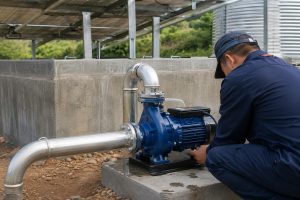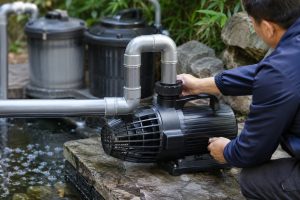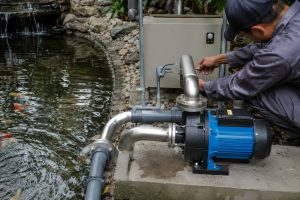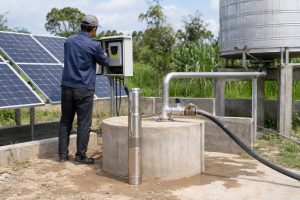
Choosing a new water pump is a major investment.
Making the wrong choice can lead to costly failures and frustrating downtime.
This guide breaks down exactly what makes a pump last.
A pump's ultimate lifespan hinges on its type, material quality, and motor efficiency.
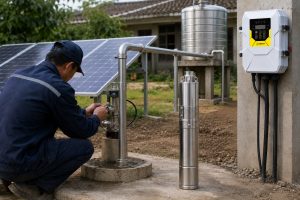
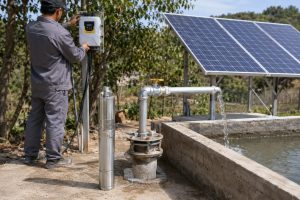
While most pumps last 8-15 years, solar-powered stainless steel impeller pumps driven by high-efficiency BLDC motors often exceed 20 years, offering superior durability and long-term value, especially when paired with an intelligent controller.
Choosing the right pump feels overwhelming with so many options available.
You need a reliable water source, whether for a home, a farm, or a community.
But how do you know which pump won't fail you in just a few years?
The secret to longevity isn't just about the brand name.
It's about matching the pump's core design and materials to your specific needs.
Understanding the fundamental differences between pump types is the first step toward making a 20-year investment instead of a 5-year mistake.
Let's explore how different pump designs measure up.
How Long Do Different Pump Types Last?
Your pump is failing and you don't know why.
This uncertainty costs you time and money, leaving your water supply at risk.
Learn which pump type is built to last for your specific application.
The lifespan of a water pump varies dramatically by its design.
A solar stainless steel impeller pump can last over 20 years in harsh conditions.
In contrast, a standard centrifugal pump might only last 6-10 years in a similar environment.
Choosing the right type is critical for long-term reliability.
A pump's design directly impacts its durability and performance over time.
You can't expect a pump designed for low-flow home use to survive the demands of large-scale farm irrigation.
Each type uses a different mechanism to move water, which determines its strengths and weaknesses.
We will compare the most common solar deep well pumps to help you understand which is the best fit for your needs.
This comparison will cover their core technology, ideal applications, and expected lifespan.
Solar Screw Pumps: The Deep Well Specialist
Solar screw pumps are the solution for very deep wells where high pressure is essential.
They use a simple, robust mechanism: a stainless steel screw (rotor) spins inside a rubber stator.
This action creates sealed cavities that push water upward with immense force.
This design delivers a lower flow rate but can achieve an incredibly high head, making it perfect for lifting water from hundreds of feet below ground.
Their ability to handle water with higher sand content (up to 3% concentration) without significant wear makes them exceptionally durable in less-than-ideal well conditions.
These pumps are workhorses for domestic water supply, livestock watering, and small-scale drip irrigation, especially in off-grid regions.
| Feature | Solar Screw Pump |
|---|---|
| Typical Lifespan | 8-12 Years |
| Flow Rate | Low |
| Head (Pressure) | Very High |
| Sand Resistance | Excellent |
| Best For | Deep wells, domestic use, livestock |
Solar Plastic Impeller Pumps: The High-Flow Workhorse
When you need to move a lot of water quickly, the solar plastic impeller pump is a top contender.
This is a multi-stage centrifugal pump.
It uses a series of durable, wear-resistant plastic impellers to accelerate water, generating high flow rates at a medium head.
This makes it an excellent choice for applications like farm irrigation, pasture water management, and filling large reservoirs.
The key advantage of plastic impellers is their resistance to abrasion from fine sand, which can quickly destroy other pump types.
They are also lightweight and more economical, reducing both initial investment and installation complexity.
While highly effective, their limitation is in highly corrosive water or extremely deep wells, where more robust materials are required.
With proper application, they offer a fantastic balance of performance and value, typically lasting 10-15 years.
Solar Stainless Steel Impeller Pumps: The Premium Durability Choice
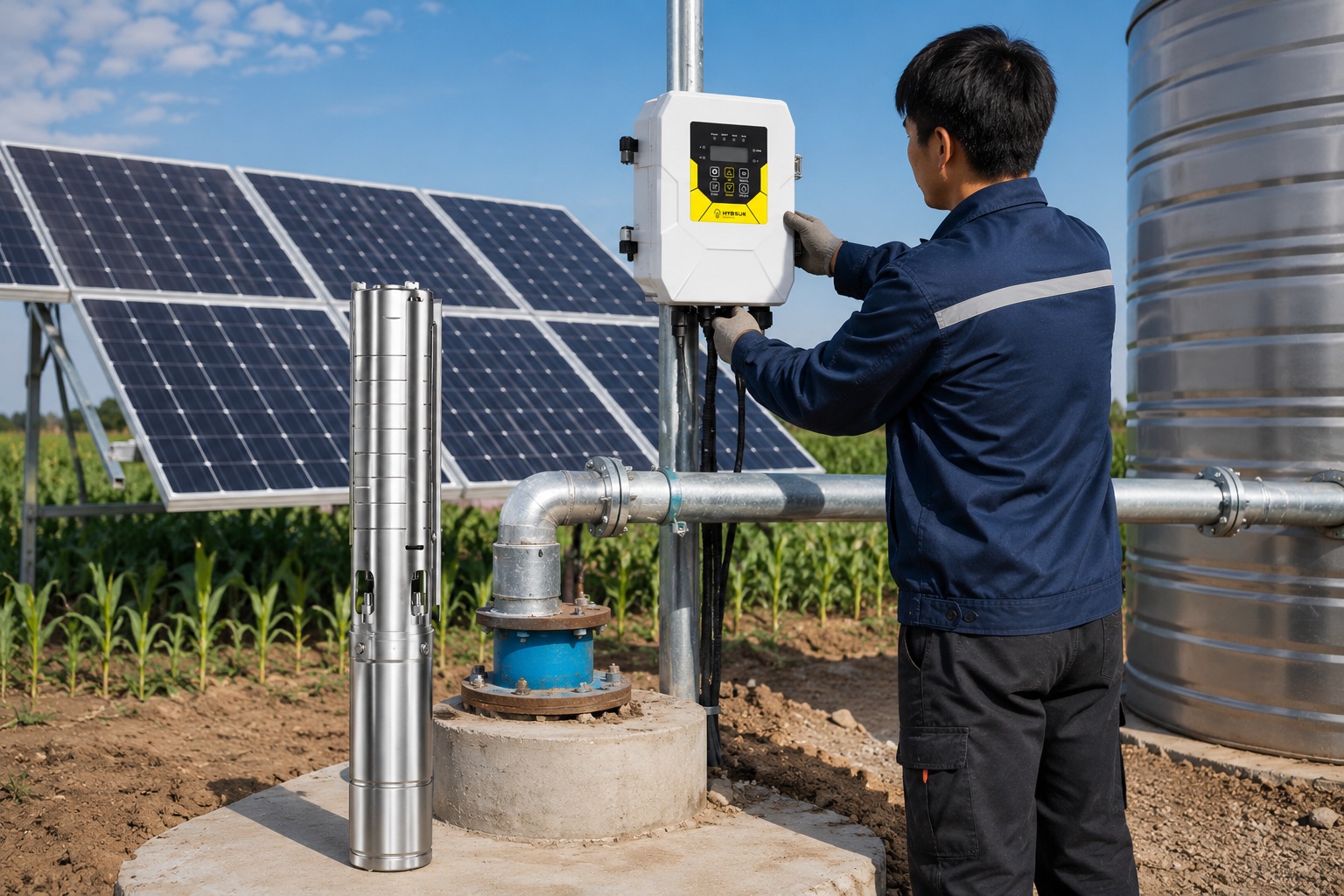
For the ultimate in longevity and reliability, look no further than the solar stainless steel impeller pump.
This pump features impellers and a pump body constructed from SS304 or even higher-grade stainless steel.
Its primary advantage is exceptional corrosion resistance.
This makes it the only viable choice for acidic or alkaline water conditions, which are common in coastal areas, mineral-rich regions, and certain industrial applications.
It delivers high flow rates and a medium-to-high head, combining the performance of a centrifugal pump with the durability needed for the harshest environments.
While the initial cost is higher, its service life often exceeds 20 years, providing a much lower total cost of ownership.
This is the pump of choice for high-end homes, commercial farms, and any application where water quality is poor and reliability is non-negotiable.
| Pump Type | Typical Lifespan | Primary Advantage | Main Limitation |
|---|---|---|---|
| Screw Pump | 8-12 Years | High Head & Sand Resistance | Low Flow Rate |
| Plastic Impeller | 10-15 Years | High Flow & Economical | Less Corrosion Resistant |
| Stainless Steel Impeller | 15-20+ Years | Max Durability & Corrosion Resistance | Higher Initial Cost |
What Key Factors Affect a Pump's Lifespan?
Your new pump failed years before you expected it to.
This premature failure feels like a betrayal of your investment and planning.
Understanding the hidden killers of pumps is the only way to prevent it from happening again.
A pump’s lifespan is cut short by three main culprits: poor water quality, incorrect usage, and an inefficient motor.
Sediment and frequent cycling can reduce a pump's life by over 50%.
Conversely, a high-efficiency motor and clean water can help it exceed its expected lifespan.
Beyond just the pump type, several critical factors determine whether your pump will last 5 years or 25 years.
Ignoring these variables is like driving a car without ever checking the oil or tire pressure—a breakdown is inevitable.
The materials used in construction, the efficiency of the motor, and the conditions of the well itself all play a massive role.
A premium pump can fail quickly in the wrong environment, while a well-matched, well-maintained pump can last for decades.
Let's break down these crucial factors so you can make an informed decision that protects your investment.
Material Quality: The First Line of Defense
The materials a pump is made from are its armor against the elements.
This choice is arguably more important than the brand name.
Stainless Steel (SS304/SS316) is the champion of longevity.
It offers superior resistance to corrosion and abrasion, making it ideal for water with high mineral content or abnormal pH levels.
Pumps with stainless steel components regularly achieve lifespans of 15-20+ years.
Cast Iron is a traditional, robust material.
While strong, it is susceptible to rust, which can degrade performance and contaminate water over time.
Its lifespan is typically in the 10-15 year range and it requires more diligent maintenance.
Thermoplastic/Composite materials are lightweight and economical.
They offer good resistance to corrosion but lack the structural integrity and abrasion resistance of metal.
These are best for clean, neutral water and typically last 8-12 years.
Your water quality should dictate your material choice.
Using a thermoplastic pump in sandy, acidic water is a recipe for failure within just a few years.
The Heart of the System: Motor Efficiency
The motor is the engine that drives your entire water system.
Its efficiency impacts everything from energy costs to the pump's mechanical lifespan.
Modern solar pumps utilize advanced Brushless DC (BLDC) permanent magnet motors.
These motors are a game-changer for longevity.
Here's why:
-
Extreme Efficiency: BLDC motors operate at over 90% efficiency, compared to 60-70% for standard AC motors. This means less energy is wasted as heat, which is a primary cause of motor degradation and burnout.
-
Reduced Wear and Tear: Higher efficiency means the motor runs cooler and smoother. This reduces stress on bearings, windings, and other internal components, directly translating to a longer operational life.
-
Lower Operating Costs: A more efficient motor requires up to 30% fewer solar panels to achieve the same water output. This significantly lowers the initial system cost and simplifies installation. The compact design of these motors—often 47% smaller and 39% lighter—also contributes to easier handling and setup.
A high-efficiency BLDC motor doesn't just save you money on energy; it actively protects the pump itself, extending its life far beyond that of systems with older, less efficient motors.
Water Quality and Usage Patterns
The environment your pump operates in can be its best friend or its worst enemy.
Water Quality is a silent killer.
-
Sand and Sediment: Abrasive particles act like sandpaper on the pump's impellers and seals, causing rapid wear and a significant drop in pressure. This is the #1 cause of premature pump failure.
-
Minerals and pH: High concentrations of iron, manganese, or calcium can cause buildup (scaling) that clogs the pump and strains the motor. Highly acidic or alkaline water (low or high pH) will corrode metal components, with cast iron being particularly vulnerable.
Usage Patterns also dictate lifespan.
A pump that cycles on and off too frequently (short-cycling) suffers from excessive motor wear.
This is often caused by a faulty or improperly sized pressure tank.
Likewise, forcing a pump to run beyond its rated duty cycle causes overheating and can lead to motor failure.
Proper system design is crucial to ensure the pump operates within its intended parameters.
How Can You Extend the Life of Your Pump?
You're worried about your pump breaking down unexpectedly.
The cost and hassle of an emergency replacement can disrupt your entire operation.
Proactive strategies and smart technology are the keys to maximizing your pump's lifespan.
You can extend a pump's life by 5-10 years with simple, consistent actions.
This includes regular maintenance, installing protective filters, and using an intelligent controller.
A smart controller with hybrid power capabilities can prevent motor strain and guarantee 24/7 water access, maximizing both lifespan and reliability.
Ensuring your pump reaches—and even exceeds—its projected lifespan isn't about luck.
It's about creating a supportive ecosystem for your investment.
This involves both practical maintenance habits and leveraging modern technology designed to protect the pump from its most common threats.
A small investment in protection and monitoring can save you thousands in replacement costs down the line.
From intelligent power management to simple filtration, these strategies work together to create a robust and long-lasting water system.
Let's explore the most effective ways to safeguard your pump.
The Power of an Intelligent Controller
A modern solar pump system is only as good as its brain—the controller.
An intelligent controller with Maximum Power Point Tracking (MPPT) is essential.
MPPT technology constantly adjusts the electrical load to ensure the solar panels operate at their peak efficiency, boosting water output by up to 30%.
This means the pump works more effectively for shorter periods, reducing overall wear.
But the biggest innovation for longevity is the AC/DC Hybrid Controller.
This technology provides unmatched protection and reliability.
-
24/7 Water Security: The controller automatically switches between DC solar power and an AC backup source (grid or generator). When sunlight is insufficient, the system seamlessly transitions to AC power, ensuring you never run out of water.
-
Optimized Power Use: Advanced hybrid models can even blend power sources. They will use all available solar power first and only supplement with the exact amount of AC power needed. This maximizes your use of free solar energy while preventing the pump from straining in low-light conditions.
-
Motor Protection: By ensuring a stable power supply, the hybrid controller prevents the pump from struggling or short-cycling during cloudy days or at dawn and dusk. It also provides built-in protections against dry running, overheating, and power surges, acting as a comprehensive bodyguard for your motor.
This intelligent management is the single most effective technological upgrade for extending pump life.
Practical Maintenance for Peak Performance
Technology is powerful, but it doesn't replace the need for basic, regular maintenance.
A consistent schedule of simple checks can catch small problems before they become catastrophic failures.
Create a Maintenance Checklist:
| Task | Frequency | Purpose |
|---|---|---|
| Inspect Water Filters | Monthly | Prevents sand and sediment from entering the pump. |
| Check for Leaks | Quarterly | Ensures system pressure is maintained and the pump isn't overworking. |
| Listen for Unusual Noises | During Operation | Grinding or humming can indicate worn bearings or debris in the pump. |
| Test Pressure Tank (If applicable) | Annually | A waterlogged or under-pressurized tank causes short-cycling. |
| Schedule Professional Inspection | Annually | A technician can measure motor amperage and flow rate to spot efficiency loss. |
Installing a sediment filter before the pump intake is a simple, highly effective way to protect it, especially for submersible pumps in sandy wells.
Match the Pump to the Application
Finally, the most fundamental way to ensure a long life is to choose the right pump from the start.
Re-read the pump type comparisons.
Don't use a low-head plastic impeller pump for a 400-foot deep well.
Don't install a cast iron pump in water with a pH of 5.5.
Using an oversized pump is just as bad as using an undersized one.
An oversized pump will cycle more frequently, leading to premature motor wear.
An undersized pump will be overworked, leading to overheating and failure.
Consulting with an expert to properly size the pump, motor, and controller to your specific flow, head, and water conditions is the best investment you can make.
Conclusion
A pump's longevity depends on a complete system: the right type, durable materials like stainless steel, a high-efficiency BLDC motor, and an intelligent hybrid controller that protects your investment 24/7.
FAQs
How long should a good quality well pump last?
A premium stainless steel pump can last 15-20 years or more with proper maintenance, while standard models typically last 8-15 years.
What is the most common cause of well pump failure?
The most common causes are abrasive wear from sand or sediment and motor burnout from frequent cycling caused by a faulty pressure tank.
Is it worth repairing a 10-year-old well pump?
For a pump over 10 years old, replacement is often more cost-effective.
Newer models offer significantly better energy efficiency that saves money over time.
Do well pumps lose pressure over time?
Yes, gradual pressure loss is a key sign of internal wear on the impellers or seals, indicating the pump is nearing its end of life.
How do I know if my well pump motor is bad?
Signs of a bad motor include the pump tripping the circuit breaker, making a loud humming or grinding noise, or failing to turn on at all.
Can a well pump last 30 years?
It is rare but possible for a high-end stainless steel pump in ideal conditions—clean water, stable power, and meticulous maintenance—to reach 30 years of service.
What is a BLDC motor in a water pump?
A BLDC (Brushless DC) motor is a highly efficient permanent magnet motor that runs cooler and quieter, extending the pump's lifespan and reducing solar panel requirements.
How does an AC/DC hybrid controller help a pump last longer?
It ensures a stable power supply by automatically switching to AC power when solar is low, preventing motor strain, overheating, and dry-running.