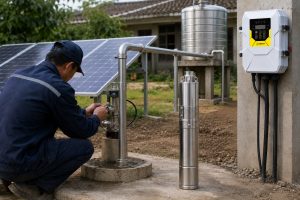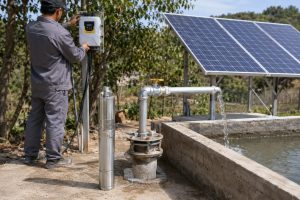
Struggling with a failing water pump and facing an emergency replacement?
Choosing a "best brand" is less about a single name and more about understanding the technology.
The best choice is a pump with a design, materials, and motor technology perfectly matched to your well's depth, water quality, and your family's daily water demands.
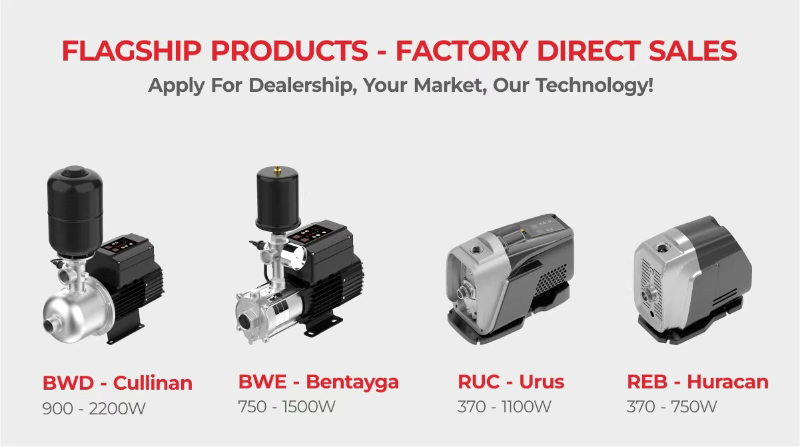
Choosing a new water pump can feel overwhelming.
With so many brands and types on the market, it's difficult to know which one will provide reliable service for years to come.
Instead of searching for a single "best brand," the smarter approach is to learn what makes a water pump exceptional.
This guide will walk you through the critical factors that determine a pump's lifespan, the different technologies available, and the maintenance steps you can take to maximize your investment.
By understanding these elements, you'll be empowered to select a pump that delivers consistent performance and long-term value, regardless of the name on the box.
Let's explore what truly makes a water pump the best choice for your home.
How long do water pumps last?
Worried your new pump will fail prematurely, leading to high repair bills?
Learn what factors determine a pump's true lifespan to make a wise, long-term investment.
**A quality submersible well pump should last anywhere from 10 to 20 years.
Jet pumps, which are mounted above ground, typically have a shorter lifespan of 5 to 10 years.
However, this average can be dramatically affected by water quality, usage patterns, and system maintenance.**
The lifespan of a water pump isn't set in stone.
It's a dynamic figure influenced by a combination of its design, its environment, and how it's used.
While manufacturers provide an average lifespan, your actual experience could be significantly different.
Understanding these influencing factors is the first step toward choosing a durable pump and ensuring it serves your home for as long as possible.
Some homeowners report getting 25 or even 30 years out of a pump, while others are forced into a replacement in under 5 years.
The difference almost always comes down to the factors we will explore below.
Average Lifespan by Pump Type
Not all pumps are created equal, and their design directly impacts their durability.
Submersible pumps consistently outlast their above-ground counterparts.
Because they are submerged deep in the well, the surrounding water provides constant, effective cooling for the motor, reducing heat-related wear and tear by an estimated 20-30%.
This protected environment shields them from the elements, leading to a longer operational life.
Jet pumps, in contrast, are exposed to ambient temperatures and weather, and they work harder to pull water to the surface, which generates more internal heat and stress.
| Pump Type | Typical Lifespan | How it Works | Key Durability Factor |
|---|---|---|---|
| Submersible Pump | 8 to 15+ years | Pushes water up from inside the well | Water cools and protects the motor, reducing wear. |
| Jet Pump | 5 to 10 years | Pulls water up from above ground | Motor is exposed and works harder to create suction. |
What Affects a Pump's Lifespan?
A pump's longevity is a result of several interconnected factors.
Water Quality is the number one enemy.
Grit, sand, and sediment act like liquid sandpaper, grinding away at internal components like impellers and bearings.
This can reduce a pump's lifespan by up to 50% in harsh conditions.
Hard water minerals and iron can build up, forcing the motor to work harder and eventually burn out.
Pump Cycling is another critical factor.
Every time a pump turns on and off is one "cycle."
A pump that cycles rapidly (short-cycling) wears down its motor and electrical components exponentially faster.
This is often caused by an improperly sized or failing pressure tank.
Installation Quality also plays a huge role.
A pump set at the wrong depth or wired improperly will fail sooner.
Professional installation is a long-term investment in the pump's health.
Finally, Power Surges from lightning or grid fluctuations can instantly destroy a pump's motor, making a dedicated surge protector a small but vital piece of insurance.
What Affects How Long a Well Pump Lasts?
Choosing the wrong pump type for your specific well leads to frustration, poor performance, and wasted money.
Understand how pump technology directly impacts durability and efficiency.
**The pump's core design and materials are crucial for longevity.
A pump perfectly matched to your water source—such as a screw pump for sandy water or a stainless steel model for corrosive water—will always outlast a generic, one-size-fits-all solution.**
Beyond general categories like "submersible" or "jet," the specific technology inside the pump makes a world of difference.
The mechanics of how a pump moves water and the materials it uses to do so are the primary determinants of its suitability for a given application.
A pump that thrives in a shallow, clean water well will fail quickly in a deep, sandy, or mineral-heavy environment.
Choosing the right technology isn't just about getting water; it's about ensuring a reliable and long-lasting water supply.
Let's break down the most common specialized pump technologies and the core motor driving them.
Pump Type 1: The Deep Well Specialist (Screw Pumps)
When dealing with very deep wells or water with high sand content, a standard centrifugal pump can struggle.
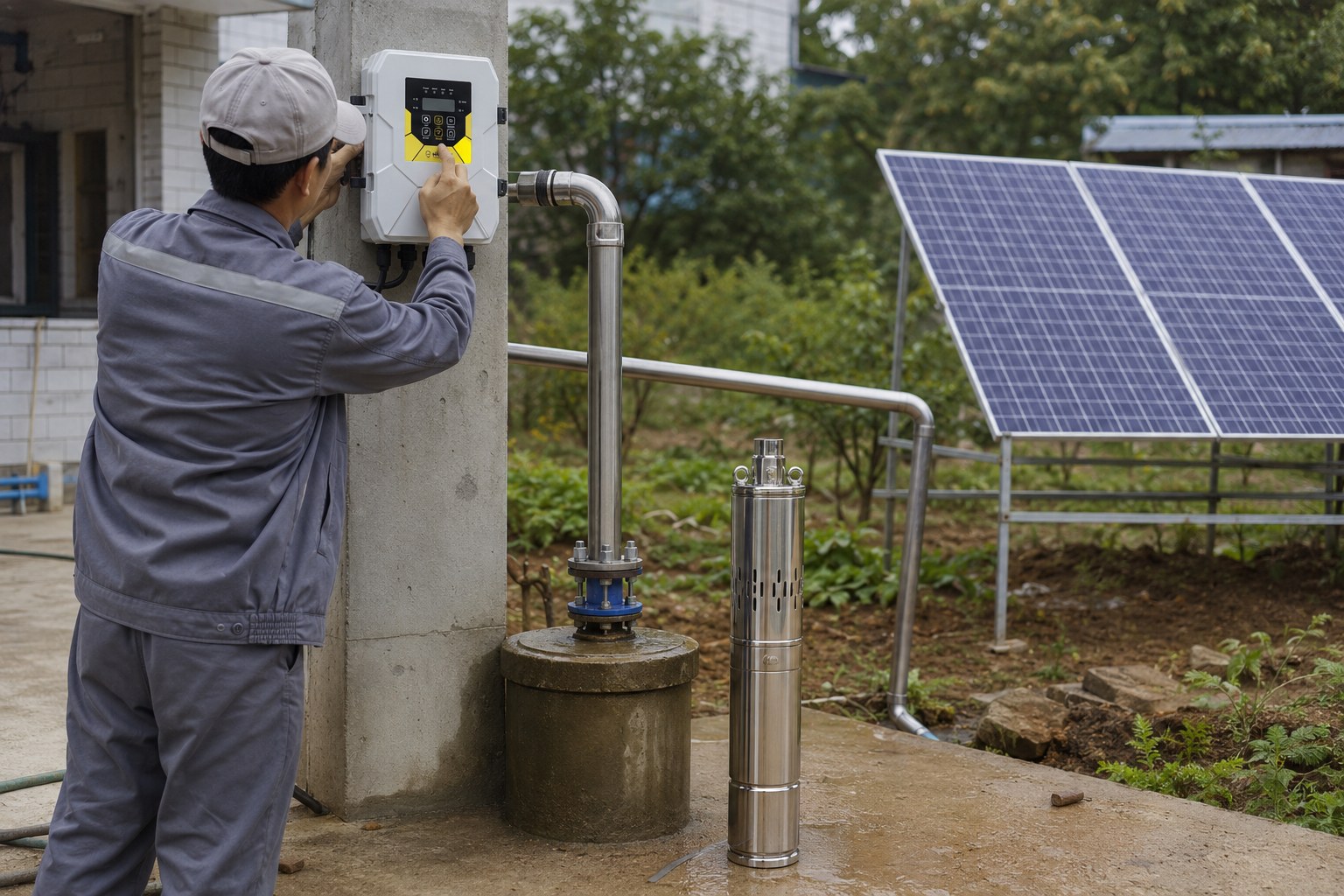
This is where the solar screw pump excels.
It operates on a positive displacement principle, using a single helical screw (rotor) that rotates inside a rubber housing (stator).
This action creates sealed cavities of water that are pushed steadily up to the surface.
- Best For: Deep wells, domestic water supply, livestock watering.
- Key Advantage: Exceptional sand resistance. The screw design can handle water with a significantly higher particulate content than impeller pumps, reducing wear and preventing clogs.
- Performance: Delivers a consistent, lower flow rate but can achieve a very high head (lifting height), making it ideal for pushing water up from hundreds of feet below ground.
Pump Type 2: The High-Flow Workhorse (Impeller Pumps)
For applications requiring more water volume, such as farm irrigation or supplying a large home, a multi-stage centrifugal impeller pump is the standard.
These pumps use a series of stacked impellers that spin at high speed to pressurize and move water.
The material of these impellers is a key factor in the pump's durability and cost.
| Impeller Material | Key Feature | Best Application | Lifespan Consideration |
|---|---|---|---|
| Plastic | Lightweight & Economical | Farm irrigation, gardens, clean water | Excellent wear resistance against fine sand, but less durable in very deep or corrosive wells. |
| Stainless Steel | Corrosion Resistant & Durable | Acidic or alkaline water, high-end homes | Premium option with a longer service life, especially in aggressive water. Resists corrosion that can destroy other pumps. |
The Heart of the Pump: Modern Motor Technology
The most sophisticated pump is useless without an efficient and reliable motor.
The latest generation of solar and high-efficiency pumps utilizes Brushless DC (BLDC) permanent magnet motors.
This technology represents a massive leap forward from older motor designs.
They lack brushes, which are a common point of failure, and use powerful neodymium magnets to generate torque.
- Efficiency: BLDC motors can achieve efficiencies exceeding 90%, compared to 60-70% for traditional motors. This means up to 30% less energy is wasted as heat, reducing strain and lowering operating costs.
- Size & Weight: These motors are significantly more compact and lighter. A modern BLDC motor can be up to 47% smaller and 39% lighter than a conventional motor with the same power output.
- Durability: The brushless design is inherently more reliable and maintenance-free, contributing directly to a longer pump lifespan. This efficiency also reduces the number of solar panels needed, lowering the total system cost.
How to Make Your Well Pump Last Longer
Ignoring your well system is a recipe for a sudden, no-water emergency and a massive repair bill.
Proactive care is simple and can add years to your pump's life.
**Schedule annual well checks, test your water regularly, and ensure your pressure tank is healthy.
Protecting the pump from corrosive water and power surges can add 5 to 10 years to its operational life, saving you thousands in premature replacement costs.**
You have more control over your pump's lifespan than you might think.
While you can't change the depth of your well, you can take several proactive steps to mitigate the factors that cause premature failure.
A little bit of attention paid to the system each year pays huge dividends in reliability and longevity.
Treating your water pump system like any other critical home appliance with a regular maintenance schedule is the best way to avoid unexpected failures and costly emergency calls.
These simple strategies will help you get the maximum possible life from your investment.
The Importance of Regular Water Testing
You can't fight an enemy you can't see.
Testing your well water at least once a year is crucial.
It's the only way to know if you're dealing with "aggressive" water that is silently damaging your pump and plumbing.
- Key Contaminants to Test For:
- pH: Low pH (acidic) water corrodes metal pump components, connections, and the pressure tank.
- Iron & Manganese: These minerals can build up inside the pump, reducing efficiency and eventually causing the motor to seize.
- Sediment & Sand: As discussed, these are abrasive particles that physically wear down the pump's moving parts.
- The Solution: Based on your test results, you can install targeted filtration systems like an acid neutralizer, an iron filter, or a sediment filter. These systems treat the water before it enters the pump, protecting your entire water system.
Optimizing Your Pressure System
The pressure tank and the pump have a symbiotic relationship.
A healthy tank protects the pump, while a failing tank will destroy it.
A pressure tank's job is to store pressurized water, creating a buffer that prevents the pump from turning on every time you open a faucet.
When its internal bladder fails or it loses its air charge, the tank becomes "waterlogged."
This can increase pump cycles by over 500%, causing the pump to turn on and off rapidly.
This short-cycling drastically shortens the motor's lifespan.
Check your tank's air pressure annually with a simple tire gauge and recharge it as needed.
If you have to replace your pump, it's almost always a good idea to replace the pressure tank at the same time.
The Rise of Smart Pumping Solutions
Modern technology offers new ways to improve efficiency and protect your pump.
For off-grid or energy-conscious users, AC/DC hybrid controllers are a game-changer.
These intelligent devices allow a pump to be powered by multiple sources.
- How it Works: The controller is connected to both solar panels and a secondary power source, like the electrical grid or a generator.
- Automatic Switching: The system defaults to using free solar power whenever sunlight is available. When solar energy is insufficient (on cloudy days or at night), it automatically and seamlessly switches to the AC power source.
- Hybrid Function: Some advanced controllers can even blend power, using all available solar energy and supplementing it with just enough AC power to meet demand. This maximizes the use of renewable energy and ensures you have a reliable water supply 24/7 while minimizing electricity costs and reducing wear on the pump.
Conclusion
The best water pump isn't a brand, but a system.
It's a pump chosen for your specific water, powered by an efficient motor, and protected by regular, proactive maintenance.
FAQs
What is the most reliable type of well pump?
Submersible pumps are generally the most reliable.
Being submerged in water keeps the motor cool, reducing wear and leading to a longer operational lifespan compared to above-ground jet pumps.
How much does it cost to replace a well pump?
Costs vary widely from a few hundred to several thousand dollars.
The price depends heavily on the pump type (submersible vs. jet), well depth, and local labor rates.
Can a well pump last 30 years?
While not typical, it is possible for a high-quality pump in ideal, clean water conditions with proper maintenance.
However, a lifespan of 10 to 20 years is a more realistic expectation.
Should I replace my pressure tank with my pump?
Yes, it is highly recommended.
A failing pressure tank causes the pump to cycle excessively, which will quickly wear out your new pump.
Replacing them together protects your investment.
What are the first signs of a failing well pump?
Common signs include a noticeable drop in water pressure, sputtering faucets, cloudy or dirty water, and a sudden increase in your electricity bill without a change in usage.
Is a higher horsepower well pump better?
Not necessarily.
A pump that is too powerful for your needs will cycle more frequently and can stir up sediment in the well, leading to premature failure.
Proper sizing is key.
How often should a well pump be serviced?
A professional well system inspection should be performed annually.
This checkup can identify small issues with the pump, pressure tank, and electrical components before they become major, costly failures.
Can I install a well pump myself?
While possible for those with significant plumbing and electrical experience, professional installation is strongly advised.
Incorrect installation can void warranties and lead to early pump failure or safety hazards.