A failing pond pump turns your beautiful water feature into a stagnant mess.
This unexpected breakdown is frustrating and expensive.
Knowing a pump's true lifespan helps you choose wisely and avoid disaster.
A typical pond pump lasts one to three years, while a higher-quality pool pump may last 8 to 12 years. However, factors like pump type, material quality, and maintenance can extend this significantly, with some well-maintained systems lasting over a decade.
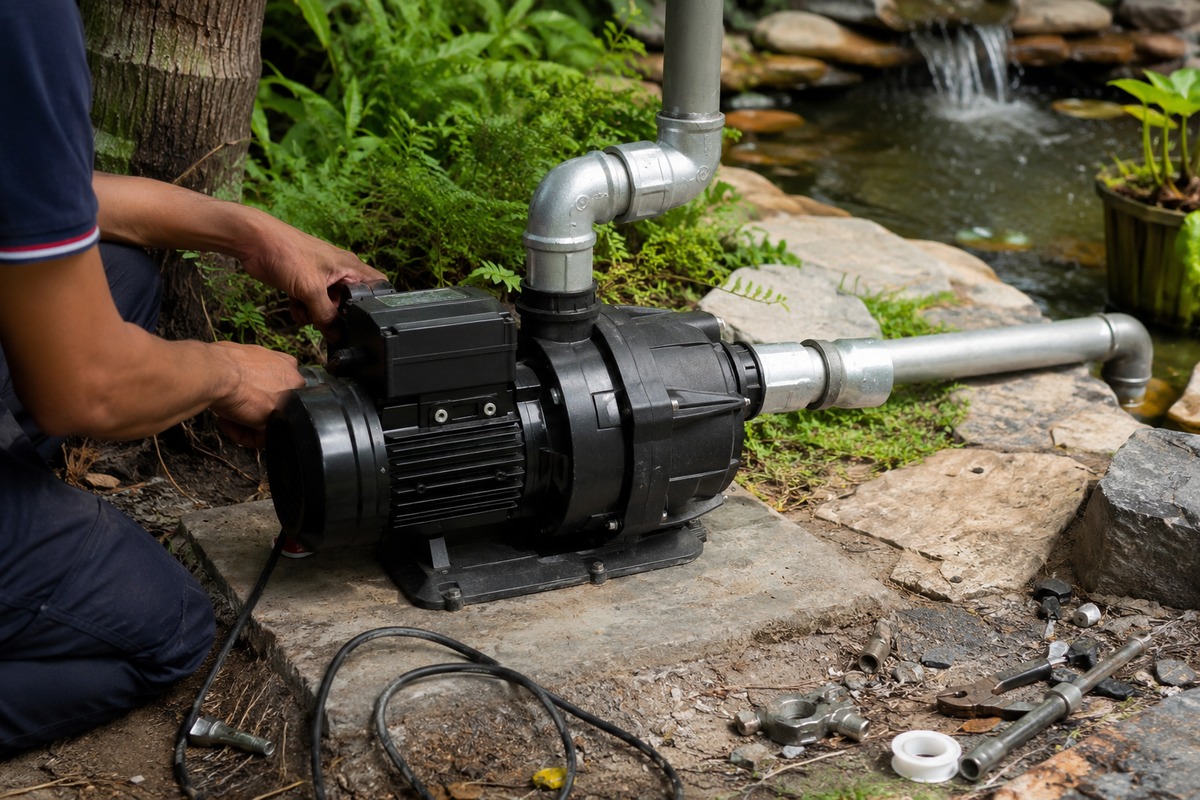
Understanding the lifespan of a simple pond pump is a good start.
But the world of water pumps has evolved dramatically.
Modern technology, especially in solar-powered systems, offers incredible durability and efficiency far beyond traditional models.
This guide will explore the factors affecting pump life, from basic maintenance to the advanced engineering that makes today's pumps last longer than ever.
Let's dive into how you can get the most out of your investment.
Factors That Affect Pump Lifespan
Your pump just failed, creating a costly and messy problem.
You wonder why it didn't last as long as you expected.
Understanding the hidden factors that wear down a pump is key to preventing premature failure and saving money in the long run.
A pump's lifespan is directly impacted by its material quality, the water conditions it operates in, and how it's used. For instance, a pump with stainless steel components will outlast a plastic one by years, especially in abrasive or corrosive water.
Several elements contribute to how long a water pump will reliably serve you.
It's not just about luck or brand name.
The science behind a pump's durability is a combination of its design, environment, and operation.
By understanding these core factors, you can make an informed choice that ensures longevity and performance.
Material Quality and Construction
The choice of materials is the single most significant factor in a pump's durability.
A pump with a plastic body and impeller may be economical initially but will degrade quickly from UV exposure and wear.
In contrast, pumps made from cast iron or stainless steel offer superior longevity.
For specialized applications, material choice becomes even more critical.
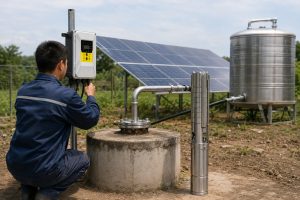
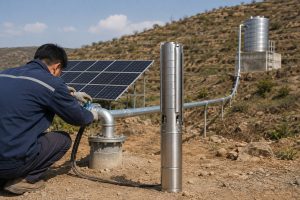
Consider solar deep well pumps, which operate in demanding underground environments.
A model with a premium SS304 stainless steel impeller is specifically engineered for corrosive water.
It thrives in acidic or alkaline conditions found in regions like Australia or parts of the Americas.
This specialized design ensures it will far outlast a standard pump, justifying its higher initial cost with years of reliable service.
Operating Conditions and Water Quality
A pump's working environment plays a huge role in its lifespan.
Continuous operation, high pressures, and extreme temperatures all contribute to wear and tear.
However, water quality is often the most aggressive factor.
Water isn't just water; it can carry sand, silt, and chemicals that act like sandpaper on a pump's internal parts.
This is where pump type specialization shines.
For example, a solar screw pump is a master of harsh conditions.
Its design, featuring a stainless steel screw and a rubber stator, is highly resistant to sand.
It can operate effectively in deep wells where water quality is poor, conditions that would quickly clog and destroy a conventional centrifugal pump.
This makes it an ideal solution for domestic and livestock water supply in electricity-scarce regions of Africa and Latin America.
The Core Power: Motor Efficiency and Design
The motor is the heart of any pump system.
An inefficient motor not only consumes more energy but also generates excess heat, which degrades seals, bearings, and other components over time.
This is a major point of difference for modern solar pumps.
The best systems are powered by a BLDC (Brushless DC) permanent magnet motor.
These motors achieve efficiencies exceeding 90%, a massive improvement over traditional motors.
They use powerful neodymium iron boron magnets in the rotor to generate high torque in a compact design.
A BLDC motor can be up to 47% smaller and 39% lighter than a conventional motor of the same power.
This high efficiency means less energy is wasted as heat, directly contributing to a longer, maintenance-free service life for the entire pump system.
How to Increase Pond Pump Lifespan
Your pump keeps clogging and requires constant, frustrating maintenance.
You worry about the cost and downtime of having to replace it so soon.
There are proven methods to dramatically extend your pump’s life, moving from reactive fixes to proactive care.
To increase pump lifespan, focus on three areas: keeping the water clean, ensuring the pump itself is clean, and choosing the right pump for the job. Advanced systems, like solar pumps, offer specialized designs for sand or corrosion resistance that inherently last longer.
Prolonging the life of your water pump moves beyond simple cleaning.
It involves creating an entire ecosystem, both in your pond and in your choice of technology, that reduces strain on the equipment.
From natural water cleaning methods to selecting a pump engineered for your specific water type, every decision impacts durability.
Let's explore these strategies, from simple habits to advanced technological choices.
Keeping the Water System Clean
The cleaner the water, the easier the pump’s job.
For a decorative pond, this can be achieved naturally.
Adding beneficial bacteria helps break down organic sludge before it can be sucked into the pump.
Introducing algae-eating fish like carp or koi also reduces the amount of organic material the pump has to process.
For more demanding applications like farm irrigation or deep well water, natural methods aren't enough.
The focus shifts to pre-filtration and pump design.
Using a pre-filter or a mesh bag for submersible pumps can stop large debris.
However, the best solution is a pump designed to handle the water it will encounter.
A solar plastic impeller pump is a perfect example.
This multi-stage centrifugal pump is designed for high flow and excellent resistance to fine sand.
It's an economical and lightweight choice for farm irrigation and pasture water supply, where water may not be perfectly clean but isn't heavily corrosive.
It handles the reality of agricultural water, reducing the risk of clogging and premature wear.
Choosing the Right Pump for the Application
Using the wrong pump is like using a sedan to do a truck's job—it will fail.
A mismatch leads to strain, overheating, and rapid wear.
This is why a diverse product portfolio is essential for meeting different needs.
The choice depends entirely on your specific balance of flow, pressure (head), and water quality.
Here is a simple comparison of three leading solar deep well pump types:
| Pump Type | Key Feature | Best Application | Flow Rate | Pressure (Head) |
|---|---|---|---|---|
| Solar Screw Pump | Sand Resistant | Deep wells, domestic use | Low | Very High |
| Solar Plastic Impeller Pump | High Flow, Wear-Resistant | Farm irrigation, gardens | High | Medium |
| Solar Stainless Steel Impeller Pump | Corrosion Resistant | Acidic/alkaline water | High | Medium-High |
A solar screw pump is the specialist for low-flow, high-head situations, perfect for pulling water from very deep wells.
A solar plastic impeller pump is the workhorse for high-flow agricultural needs.
And a solar stainless steel impeller pump is the premium choice for longevity in corrosive water, ideal for high-end homes or ranches in challenging water regions.
Choosing correctly from the start is the most effective way to guarantee a long service life.
The Science Behind Pump Durability
You see pumps advertised with long lifespans, but the claims seem vague.
You're unsure what technical features actually translate into real-world durability.
Understanding the engineering behind modern pumps, especially their motors and control systems, demystifies what makes a pump truly last for years.
Modern pump durability comes from a combination of a high-efficiency motor, intelligent controls, and robust materials. A BLDC motor, for instance, runs cooler and more efficiently, while smart controllers prevent damaging conditions like dry running, extending the pump's life significantly.
The true competitive advantage of a top-tier water pump isn't just the pump head itself.
It lies in the synergy between the motor that drives it and the intelligent system that controls it.
This technological core is what separates a pump that lasts two years from one that can last over a decade.
High-efficiency motors reduce wear, and smart controllers act as a 24/7 guardian, protecting the pump from its worst enemies.
The Power of a High-Efficiency Motor
The engine of a modern solar pump is the BLDC permanent magnet motor.
Its importance cannot be overstated.
With an efficiency rating of over 90%, it wastes very little energy as heat.
Heat is a primary cause of material degradation and component failure in any mechanical system.
By running cooler, a BLDC motor extends the life of bearings, seals, and windings.
The motor's design uses powerful magnets to create high torque, meaning it can start and run under heavy loads without the strain that causes conventional motors to overheat and fail.
This efficiency also has a major financial benefit.
Because the motor converts more sunlight into pumping power, you need fewer solar panels to achieve the same result.
This reduces the initial system cost and simplifies installation, making it a smarter investment from day one.
Intelligent Control and Protection
A pump is most vulnerable when operating outside its ideal conditions.
Running dry, facing a blocked pipe, or experiencing a voltage surge can cause catastrophic failure in seconds.
This is where intelligent controllers, such as an MPPT (Maximum Power Point Tracking) controller, provide critical protection.
The controller acts as the pump's brain.
It constantly monitors both the power from the solar panels and the operating status of the pump.
Key Protective Functions of a Smart Controller:
- Dry-Run Protection: Sensors detect a lack of water and automatically shut down the pump to prevent overheating and seizure.
- Over-Voltage/Under-Voltage Protection: It shields the motor from unstable power, a common issue with off-grid energy sources.
- Stall Protection: If the impeller is blocked, the controller cuts power to prevent the motor from burning out.
- Soft Start: It gradually ramps up the motor speed, reducing mechanical shock and electrical inrush current, which extends the life of all components.
Some advanced controllers even offer a hybrid function.
They can automatically switch between solar power and an AC grid or generator source.
This ensures a 24/7 water supply, using free solar energy when available and seamlessly switching to backup power when it's cloudy or at night.
This combination of an efficient motor and a smart controller creates a self-protecting system engineered for maximum durability.
Spotting Signs to Repair or Replace
Your pump is making a strange noise, or the water flow seems weak.
You're unsure if it's a simple fix or a sign of total failure.
Knowing the warning signs helps you decide whether to repair or replace, saving you from a sudden shutdown and potentially bigger costs.
Key signs a pump needs attention include strange grinding or squealing noises, visible leaks around the housing, and a noticeable drop in water flow. While minor issues like a worn seal are repairable, multiple symptoms on a pump over 10 years old often mean replacement is the smarter choice.
Even the most durable pumps won't last forever.
Being vigilant and recognizing the early warning signs of trouble is the key to avoiding a catastrophic failure that could put your pond, pool, or water supply system out of commission.
Some issues are minor and can be fixed easily, while others are clear indicators that the pump has reached the end of its useful life.
Audible and Visual Warnings
Your pump will often tell you something is wrong before it completely fails.
- Strange Noises: A grinding or screeching sound typically points to worn-out bearings. If caught early, the bearings can be replaced. If ignored, they will eventually seize and destroy the motor. A rattling noise might indicate a stone or debris is stuck in the impeller.
- Leaks: Small drips around the pump housing are usually caused by a failing seal or O-ring. These are inexpensive and easy to replace. However, if you see steady streams of water or cracks in the pump housing itself, it's a sign of major structural failure, and replacement is almost always the only option.
- Vibrations: Excessive vibration can signal a bent shaft or a misaligned motor. This puts immense stress on all components and will lead to rapid failure if not addressed.
Performance-Based Indicators
Sometimes, the signs are in what the pump is—or isn't—doing.
- Weak Water Flow: If you've cleaned the filters and there are no blockages, but the water flow is still weak, the impeller may be worn down or the motor is losing power. While the motor can sometimes be replaced, on an older unit it's often more cost-effective to replace the entire pump.
- Frequent Breaker Trips: If the pump constantly trips a circuit breaker, it's a strong sign of an electrical problem within the motor. The windings may be shorting out. This is a serious safety hazard and usually means the motor is beyond repair.
- Old Age: Once a pump passes the 10-year mark, even for high-quality models, the cost of repairs starts to compete with the cost of a new pump. A new pump will not only be more reliable but also significantly more energy-efficient, saving you money on operating costs.
Modern smart pumps with remote monitoring can even alert you to these issues on your phone before they become critical, allowing for predictive maintenance that prevents downtime.
Conclusion
The lifespan of a pump depends on a smart initial choice and proper care.
Modern solar pumps with efficient motors and protective controllers offer the best long-term value and reliability.
FAQs
Should a pond pump run 24/7?
Yes, running a pond pump 24/7 is recommended.
Continuous circulation is crucial for filtering water, preventing algae growth, and maintaining oxygen levels for fish and plant life.
How do I know if my pond pump is dying?
Look for signs like weak water flow, humming or grinding noises, or the pump tripping your circuit breaker.
These often indicate a failing motor or a severe clog.
Can a pond pump be repaired?
Yes, many common issues can be repaired.
This includes replacing worn impellers, seals, or cleaning a clogged intake.
However, a burnt-out motor often means replacement is more cost-effective.
What is the most common cause of pond pump failure?
The most common cause is clogging.
Debris like leaves, sludge, or algae gets pulled into the pump, which strains the motor and can cause it to overheat and fail.
How often should I clean my pond pump?
You should inspect and clean your pond pump at least once every three months.
During autumn or if you have a lot of fish, monthly checks are better to prevent buildup.
Do solar powered pond pumps work at night?
Standard solar pumps only work when there is sunlight.
However, advanced systems can be paired with batteries or hybrid AC/DC controllers to ensure they can run at night or on cloudy days.
Can you run a pond pump without a filter?
You can, but it is not recommended.
Without a filter, the pump will quickly become clogged with debris, leading to reduced performance and a much shorter lifespan.
Is a bigger pond pump better?
Not necessarily.
A pump that is too powerful can create excessive water flow, which may be disruptive to fish and plants.
Choose a pump correctly sized for your pond's volume.