A pump failure has you worried about your fish.
This guide provides the crucial answers and solutions you need to protect them.
Fish survival without a pump is distressingly short, often just 6-12 hours in warm weather.
Oxygen levels plummet, and toxic ammonia builds up from waste, creating a lethal environment for your koi or goldfish before you might even notice a problem.
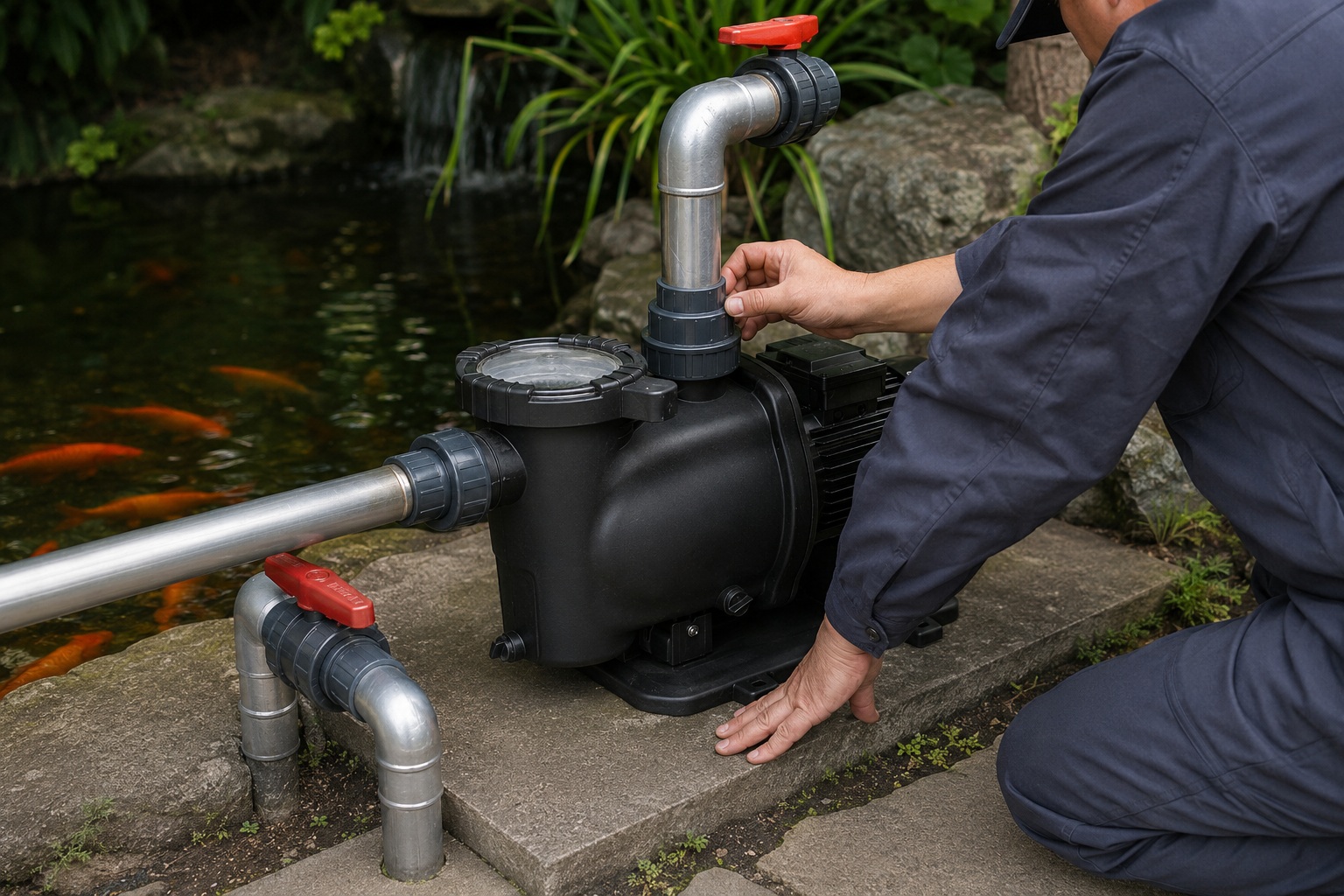
A functioning pump is the heart of your pond's ecosystem, not just a decorative feature.
Its constant work is the only thing standing between a thriving aquatic paradise and a toxic swamp.
Understanding the timeline of what happens when that heart stops beating is the first step to preventing a catastrophe.
This guide will break down the critical factors, the immediate dangers, and the robust, long-term solutions that can ensure your finned friends are safe, no matter what.
Why Water Circulation Matters
Stagnant water might look peaceful, but for pond fish, it is a silent and deadly threat.
Learn why constant movement is absolutely essential for a healthy, living ecosystem.
Water circulation is vital because it infuses the pond with life-giving oxygen and powers the filtration system.
This process removes toxic waste, preventing deadly ammonia spikes and the unchecked growth of harmful algae that can suffocate a pond.
To truly appreciate the pump's role, we must look at the invisible processes happening within the water.
It's a delicate balance of chemistry and biology that can collapse with surprising speed.
The difference between a healthy pond and a dangerous one is, quite literally, motion.
Without the pump, the entire life support system shuts down, triggering a domino effect that impacts everything from oxygen levels to the microbial life that keeps the water clean.
The Critical Role of Dissolved Oxygen (DO)
Fish do not breathe water; they breathe the oxygen dissolved within it.
A pump drives this process by creating surface agitation, where the boundary between air and water churns, allowing atmospheric oxygen to dissolve.
Waterfalls, fountains, and sprayers dramatically increase this surface area, acting as lungs for your pond.
The amount of oxygen water can hold is directly tied to its temperature.
As water warms up, its capacity to hold dissolved oxygen decreases by a significant margin.
For example, water at 50°F (10°C) can hold about 11.3 mg/L of oxygen, but at 86°F (30°C), that capacity drops by over 35% to just 7.6 mg/L.
This is a critical problem in summer when fish are most active and need the most oxygen.
| Water Temperature (°F/°C) | Maximum Dissolved Oxygen (mg/L) |
|---|---|
| 41°F / 5°C | 12.8 |
| 59°F / 15°C | 10.1 |
| 77°F / 25°C | 8.3 |
| 95°F / 35°C | 7.0 |
The Nitrogen Cycle Breakdown
Your pond pump is the engine of a hidden sewage treatment plant.
Fish produce ammonia, a highly toxic waste product, through their gills and feces.
The pump pushes this ammonia-laden water through your filter media, which is home to colonies of beneficial bacteria.
In the first stage, Nitrosomonas bacteria consume the ammonia and convert it into nitrite, which is still very toxic.
In the second stage, Nitrobacter bacteria consume the nitrite and convert it into nitrate, a much less harmful compound that plants use as fertilizer.
Without the pump, this cycle grinds to a halt.
Water stagnates, and the bacteria in the filter are starved of oxygen and their food source (ammonia-rich water).
They die off, and the ammonia produced by the fish accumulates in the pond with nowhere to go, quickly reaching lethal concentrations.
The Dangers of Reduced Oxygen Levels
Your fish are gasping at the surface.
The pond has a foul, swampy odor.
These are not minor issues; they are urgent red flags that the oxygen in your pond is at a dangerously low level.
Low oxygen, or hypoxia, forces fish to gasp at the surface, makes them lethargic, and elevates stress, making them susceptible to disease.
It also leads to a rapid buildup of toxic ammonia and kills off the beneficial bacteria that keep a pond clean, creating a deadly spiral.
The moment a pump fails, a clock starts ticking.
The invisible danger of oxygen depletion is far more immediate and severe than the visible problem of cloudy water.
Understanding the specific signs of this emergency and the chemical cascade that follows can empower you to act decisively and prevent irreversible harm to your pond's inhabitants.
Recognizing the Signs of Hypoxia
Your fish will tell you when they are in distress.
The most obvious and alarming sign is when fish congregate at the surface, gasping for air.
They may also cluster around any point where water enters the pond, like a waterfall or fountain, desperate for the more oxygenated water found there.
Other warning signs include:
- Lethargy: Fish that are normally active may become sluggish and unresponsive.
- Foul Odors: As organic matter (fish waste, dead plants) decays in an oxygen-deprived environment, it produces hydrogen sulfide, which has a distinct "rotten egg" smell. This indicates that anaerobic (oxygen-hating) bacteria have taken over.
- Rapid Algae Growth: While algae produce oxygen during the day, they consume it at night. A sudden bloom can be a sign of poor circulation and filtration, and it will exacerbate the oxygen problem after sundown.
The Chemical Cascade of a Pump Failure
The timeline of a pond ecosystem collapse is frighteningly fast, especially in a heavily stocked pond during summer.
The sequence of events is predictable and devastating.
A pump failure isn't a single problem; it's the trigger for a complete system failure.
| Time Since Pump Failure (in Summer) | Pond Condition | Impact on Fish |
|---|---|---|
| 0-6 Hours | Dissolved Oxygen drops by 50-70%. Surface agitation ceases. Water begins to stagnate. | Fish become stressed and may begin gasping at the surface. |
| 6-12 Hours | Critical hypoxia sets in. Beneficial bacteria in the filter begin to die. Ammonia levels start to spike. | Widespread gasping. Lethargy is obvious. Fish loss may begin in smaller or heavily stocked ponds. |
| 12-24 Hours | Anaerobic conditions dominate. Foul odors may become noticeable. Ammonia reaches highly toxic levels. | Catastrophic fish loss is highly likely. The entire ecosystem is near collapse. |
| 24+ Hours | The pond becomes a toxic soup of ammonia and hydrogen sulfide. Algae blooms may worsen. | Survival of any remaining fish is extremely unlikely without intervention. |
Impact on Different Fish Species
While all fish need oxygen, some are more demanding than others.
Large, active fish like Koi and larger Goldfish have a higher metabolism and therefore a much higher oxygen demand than smaller fish.
A pond with a high stock of large Koi can see its oxygen levels crash 75% faster than a pond with a few small shubunkins.
This makes the pump's continuous operation even more critical in dedicated Koi ponds, where a failure can wipe out thousands of dollars worth of prized fish in less than a day.
How to Safeguard Your Fish During Pump Failures
A pump failure is an emergency, but it does not have to be a catastrophe.
With a clear plan and quick action, you can bridge the gap and save your fish's lives.
Immediately start adding oxygen to the pond.
Use a backup air pump with air stones, spray the water surface with a garden hose to create agitation, or even manually stir the water to provide temporary relief while you diagnose the pump issue.
Your first priority is not fixing the pump; it is buying time.
Fish can survive for a short period in unfiltered water, but they cannot survive without oxygen.
Therefore, every action in the first hour should be focused on reintroducing oxygen into the water.
Once the immediate threat is managed, you can shift your focus from temporary fixes to creating a resilient, long-term solution that prevents this emergency from ever happening again.
Immediate Emergency Responses
Time is of the essence.
The goal is to break the surface tension of the water and introduce as much air as possible.
- Backup Air Pump: The best immediate solution. A small, dedicated air pump connected to one or two air stones can provide enough oxygen to keep fish safe for days.
- Garden Hose: Set your hose nozzle to a fine spray or jet setting and aim it across the surface of the pond. This agitation can increase oxygen transfer by over 300% compared to a still surface.
- Submersible "Trash" Pump: Any spare utility pump can be placed in the pond and used to power a temporary fountain or waterfall, circulating and aerating the water.
- Manual Agitation: In a true last-resort scenario, use a paddle or a clean rake to stir and splash the water. It's labor-intensive but can be a lifesaver in a small pond for a short period.
Short-Term vs. Long-Term Solutions
Emergency fixes are just that—temporary.
Relying on a garden hose is not a sustainable plan.
A battery backup system, or Uninterruptible Power Supply (UPS), is a good short-term solution for brief power outages.
It can power a small pump for an hour or two, depending on the pump's wattage and the UPS's capacity.
For areas with frequent and extended power outages, a gas-powered generator is a more robust solution, capable of running your entire pond system indefinitely as long as you have fuel.
However, both of these solutions still rely on your primary pump being functional and require manual intervention or have limited run times.
The Ultimate Fail-Safe: Off-Grid Pumping
The most reliable solution is one that removes dependency on the electrical grid altogether.
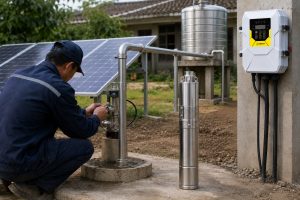
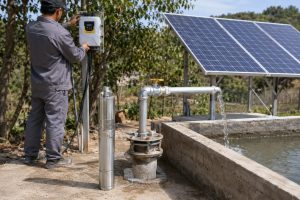
This is where solar-powered pump systems excel.
They are not merely "backups"; they are a primary power source that operates silently, efficiently, and with zero running cost after installation.
A solar pump system ensures that even during a complete city-wide blackout, your pond's life support remains fully operational throughout the daylight hours, when oxygen demand is often highest.
The Power of Hybrid Systems
For 100% guaranteed, 24/7 protection, hybrid AC/DC systems represent the pinnacle of pond security.
These intelligent systems are connected to both solar panels and the standard AC power grid.
The controller automatically prioritizes solar power, running your pump for free whenever the sun is shining.
When solar energy is insufficient—at night or on very cloudy days—the controller seamlessly and automatically switches to AC power.
This ensures your pump never stops, providing complete peace of mind and guaranteeing your fish have a perfectly oxygenated and filtered environment 365 days a year, without you ever having to lift a finger.
Why Modern Pump Systems Are Game-Changers
Tired of worrying about power outages and rising electricity bills?
Modern pump technology offers a reliable, highly efficient, and environmentally friendly solution for your pond.
Modern solar-powered pumps, especially those with battery storage or hybrid AC/DC capability, provide unparalleled reliability.
They operate independently of the grid, ensuring your pond stays oxygenated 24/7, even during a blackout, while significantly reducing or eliminating electricity costs.
The leap in pump technology in the last decade has been revolutionary.
It's not just about running a pump on solar; it's about the incredible efficiency of the motors and the intelligence of the controllers that manage them.
These advancements have made professional-grade, resilient pond management accessible to everyone, transforming it from an expensive, worry-filled hobby into a secure and cost-effective pleasure.
Understanding these core components reveals why upgrading is not just a choice, but a strategic investment in the health of your pond and your peace of mind.
The Heart of the System: The BLDC Motor
The secret to the high performance of modern solar pumps is the Brushless DC (BLDC) motor.
Unlike traditional AC motors found in older pumps, which might struggle to reach 50-60% efficiency, BLDC motors consistently operate at efficiencies exceeding 90%.
This incredible efficiency has two major benefits.
First, it means more water is pumped for every watt of energy used.
Second, it dramatically reduces the number of solar panels required to run the system—often by as much as 40%.
This lowers the initial investment cost, simplifies installation, and makes the entire setup more compact and aesthetically pleasing.
These motors, built with powerful permanent magnets, are also mechanically simpler, eliminating the brushes that wear out in conventional motors, leading to a near maintenance-free, multi-year lifespan.
Choosing the Right Pump for Your Needs
The motor is the engine, but the pump-end is what does the work.
Different pond setups have different requirements for flow (gallons per hour) and head (pumping height/pressure).
Modern systems offer specialized pump designs to perfectly match these needs, ensuring maximum efficiency.
| Pump Type | Best For | Flow / Head | Key Benefit |
|---|---|---|---|
| Screw Pump | Ponds with high waterfalls or long-distance filtration pipes. | Low Flow, High Head | Excellent at overcoming the pressure loss in complex plumbing systems. |
| Plastic Impeller Pump | General-purpose koi ponds, standard in-pond filters. | High Flow, Medium Head | Provides excellent water turnover for filtration and aeration at a cost-effective price. |
| Stainless Steel Impeller Pump | Ponds using well water or in areas with corrosive water (e.g., acid rain). | High Flow, Medium Head | Offers the ultimate in durability and a long service life, resisting corrosion and wear. |
Intelligent Control for Maximum Efficiency
The brain of a modern pump system is its controller.
Advanced controllers use Maximum Power Point Tracking (MPPT) technology.
This is a sophisticated algorithm that constantly monitors the output of the solar panels and adjusts the electrical load of the pump to extract the maximum amount of power possible at any given moment.
An MPPT controller can boost the water output of a system by up to 30% over the course of a day compared to a simple controller.
It ensures the pump starts earlier in the morning, runs faster during peak sun, and continues to operate longer into the evening, maximizing the use of every available ray of sunlight.
Conclusion
A reliable pump is non-negotiable for fish health.
Modern solar and hybrid systems offer the best protection, ensuring a safe, oxygenated, and thriving pond for your fish year-round.
Frequently Asked Questions
How long can Koi survive without a pump?
Only 6-12 hours in warm weather. Low oxygen and rising ammonia levels become lethal very quickly for large, active fish like Koi.
Can pond fish survive winter without a pump?
It is very risky. While dormant fish need less oxygen, a pump is crucial for keeping a hole in the ice open for gas exchange.
What's the first thing to do if my pond pump stops?
Check the circuit breaker first. If that's not the issue, immediately begin emergency aeration with a hose or backup air pump to buy time.
How can I add oxygen to my pond without a pump?
Use a solar-powered aerator, add more oxygenating plants like hornwort, or install a solar-powered fountain, which operates independently of your main system.
Is a bigger pump always better for a pond?
No. An oversized pump wastes electricity and can create too much current. Match the pump's Gallons Per Hour (GPH) to your pond volume and filter rating.
How do solar pumps work at night?
Standard solar pumps do not run at night. To achieve 24/7 operation, you need a system with a battery backup or a hybrid AC/DC controller.
Do I need a filter if I have a pump?
Yes, absolutely. The pump circulates water, but the filter is what removes physical debris and toxic biological waste. They are two essential parts of one system.
Can I run my pump intermittently to save power?
This is not recommended. Continuous 24/7 circulation is necessary to maintain stable oxygen levels and keep the beneficial bacteria in your filter alive and effective.