Is your pool pump making strange noises or running up your energy bill?
You're not alone.
Most standard pool pumps have a lifespan of 8 to 12 years, but this can vary significantly. Proper maintenance, climate, and usage frequency are the biggest factors determining how long your pump will actually last before needing a replacement.
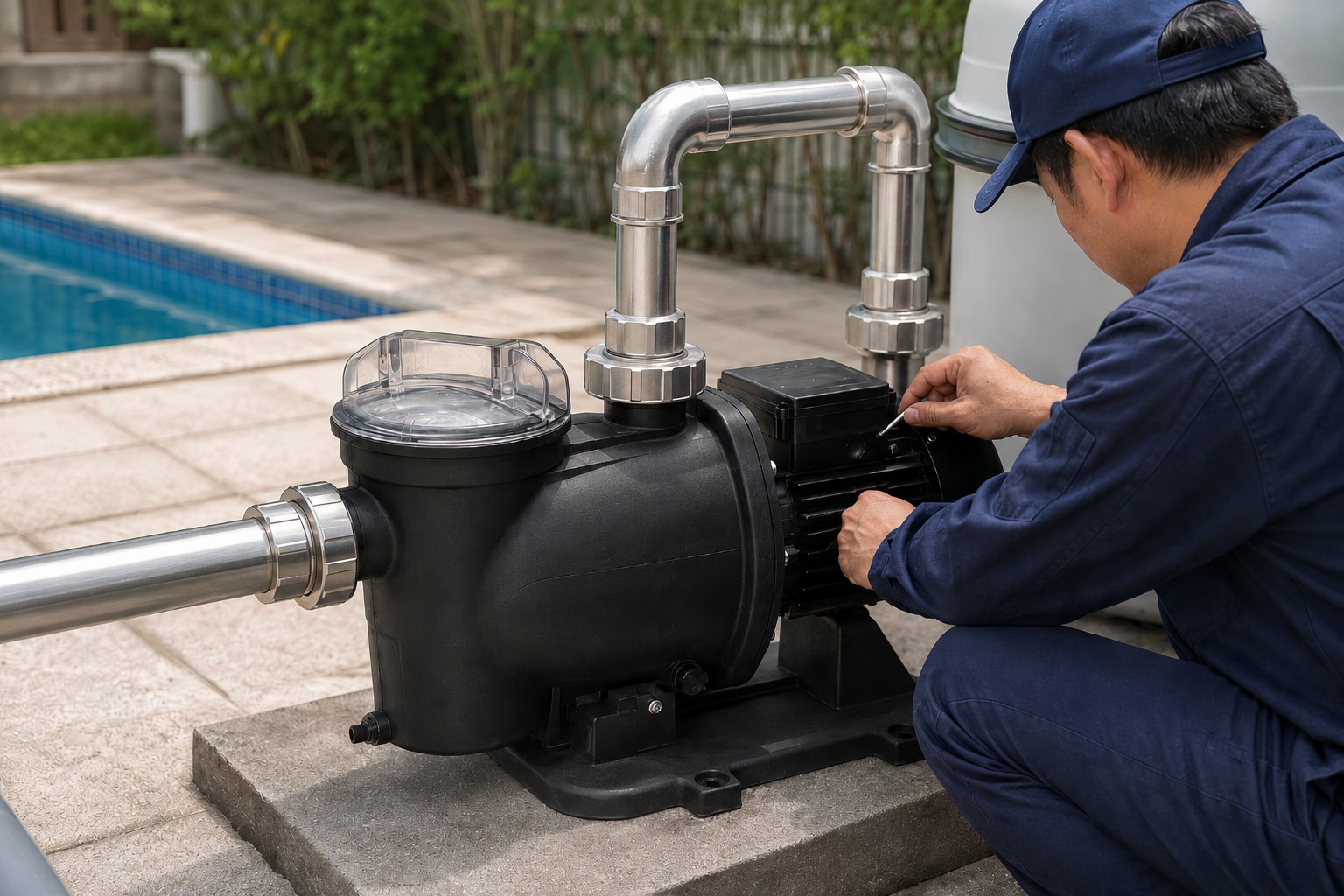
A pool pump is the heart of your pool's circulation system.
Understanding its lifespan is key to avoiding unexpected breakdowns and costly emergency repairs.
This guide will walk you through everything that affects your pump's longevity.
You will learn how to spot early signs of failure.
You will also gain the confidence to decide whether a repair or a full replacement is the smarter financial choice.
Let's dive in and ensure your pump operates efficiently for years to come.
How Long Do Pool Pumps Really Last?
Wondering if your pool pump is living on borrowed time?
You want to avoid a sudden failure during a heatwave.
A well-maintained pool pump typically lasts 8 to 10 years, though some high-quality models can reach 12 or even 15 years. The lifespan is less about the brand and more about consistent care, with the motor often failing before the housing.
The longevity of a pool pump isn't a single number.
It's a combination of how long its individual parts can withstand wear and tear.
Different components have different life expectancies, and understanding them helps you predict potential failures.
The environment and type of pump also play a massive role in this equation.
Modern pumps, especially variable-speed models, have different failure points compared to their older, single-speed counterparts.
Breaking Down the Lifespan by Component
Your pool pump isn't a single unit.
It's an assembly of parts, each with its own projected lifespan.
The outer casing is designed for durability, but the motor is the real workhorse and usually the first major component to fail.
- Pool Pump Housing: The protective outer shell is built to be tough. It typically lasts 8 to 10 years. However, factors like constant vibration, poor airflow causing heat buildup, or direct exposure to harsh weather can cause the plastic to become brittle and crack prematurely.
- Pool Pump Motor: The motor is the most critical and hardest-working part. Its average lifespan is slightly shorter, around 7 to 9 years. Motor failure is often accelerated by preventable issues like clogged baskets that restrict water flow, or leaky seals that allow water to enter the motor's sensitive electrical components.
- Seals and Gaskets: These rubber parts have the shortest lifespan, often requiring replacement every 2 to 3 years. They are crucial for preventing leaks but degrade over time due to chemical exposure and temperature fluctuations.
| Component | Average Lifespan | Common Causes of Early Failure |
|---|---|---|
| Pump Housing | 8–10 years | Prolonged heat, vibration, poor airflow |
| Pump Motor | 7–9 years | Clogged baskets, air leaks, water damage |
| Impeller | 5-10 years | Debris clogs, running the pump dry |
| Seals & O-Rings | 2–3 years | Chemical degradation, drying out, wear |
Variable-Speed vs. Single-Speed Pumps
The type of pump you own dramatically impacts its lifespan.
Variable-speed (VS) pumps have become the industry standard, and for good reason.
Unlike single-speed pumps that run at a constant high speed, VS pumps adjust their speed based on the pool's needs.
Running at lower speeds for longer periods reduces stress on the motor and other internal parts by over 60%.
This gentle operation significantly extends their life.
Manufacturers often aim for a service life of at least 5 years (or 60 months) before major service is needed, but many last much longer.
Heat is the primary enemy of a VS pump's electronic drive.
Ensuring it has adequate shade and ventilation can add years to its life.
Modern VS pumps often feature Totally Enclosed Fan-Cooled (TEFC) motors, which protect internal components from moisture, dust, and debris, making them far more durable in harsh environments.
What Affects Pool Pump Life Expectancy?
Your pump failed years before your neighbor's, and you bought them at the same time.
It's frustrating when expensive equipment doesn't last.
A pump's life is determined by more than just age. The biggest factors are preventable stressors, including water flow restrictions, environmental exposure, and maintenance consistency. Most premature failures stem from routine neglect, not manufacturing defects.
Thinking a high-end brand name is a guarantee of a long lifespan is a common mistake.
While quality matters, how you use and care for the pump has a far greater impact.
From the climate you live in to the size of the pump you installed, several key factors are constantly working for or against your equipment's longevity.
Addressing these elements proactively can mean the difference between replacing your pump in 5 years or in 15.
Let's explore these critical factors in more detail.
Climate and Environmental Conditions
The environment where your pump operates is a silent killer of equipment.
Different regions present unique challenges that can accelerate wear and tear.
- Heat: In hot climates like Arizona or Florida, extreme ambient temperatures cause motors to run hotter. Heat is the number one enemy of electrical components, putting a 25% greater strain on motor windings and bearings and leading to premature failure.
- Humidity and Salt Air: For pools near the coast, salt-laden air speeds up corrosion on metal parts, including the motor housing and terminals. Humid environments can also lead to moisture intrusion, which can short out electronics, especially in non-TEFC motors.
- Dust and Debris: In dusty or windy areas, debris can clog the motor's cooling vents. This restricts airflow, causing the motor to overheat. Fine sand and dirt can also wear down moving parts if they get past the pump's seals.
Protecting your pump from the elements with a well-ventilated shelter can mitigate these risks and add years to its life.
Pump Size and Usage Frequency
"Bigger is better" does not apply to pool pumps.
An improperly sized pump is a recipe for disaster.
- Oversized Pumps: A pump that is too powerful for your plumbing and filter creates excessive pressure. This condition, known as high head pressure, not only strains the pump's motor but can also damage your filter, heater, and pipe fittings. It forces the motor to work 30-50% harder than it should, drastically shortening its life.
- Undersized Pumps: A pump that is too small will struggle to circulate water effectively. It will need to run for much longer periods to filter the pool's volume, leading to accelerated wear. It may also fail to generate enough flow to properly backwash the filter, causing clogs that further strain the system.
Usage frequency also matters.
While it's a myth that you should run a pump 24/7, running it for the correct duration is key.
Most pumps are most efficient when run for about 2.4 hours per turnover cycle.
Excessively long run times simply add unnecessary wear without providing significant benefits to water clarity.
Build Quality and Technology
The gap in quality between different pump manufacturers is significant.
While maintenance is key, starting with a well-built pump provides a clear advantage.
Premium brands often use more durable, corrosion-resistant materials for components like the impeller and seals.
The most important technological difference is the motor.
| Motor Type | Description | Lifespan Advantage |
|---|---|---|
| Single-Speed | Runs at one constant high speed. | Shorter lifespan due to high stress. |
| Variable-Speed (VS) | Adjusts speed based on need. | Longer lifespan due to lower stress. |
| TEFC Motors | Totally Enclosed Fan-Cooled design. | Much more durable in harsh weather. |
| BLDC Motors | Brushless DC permanent magnet motor. | Highest efficiency and longest potential life. |
Modern pumps, particularly those with Brushless DC (BLDC) permanent magnet motors, represent the pinnacle of efficiency and durability.
These motors can be over 90% efficient, run cooler, and have fewer parts to wear out, giving them a distinct longevity advantage.
Even if the upfront cost is higher, a quality pump with advanced motor technology provides better value over its extended lifespan.
Maintenance Tips That Actually Extend Lifespan
You dread the day your pool pump suddenly dies, leaving you with a green, murky mess.
Proactive care is your best defense against failure.
Simple, consistent maintenance can easily double your pool pump's lifespan. Regularly cleaning baskets, lubricating O-rings, and running the pump at optimal speeds prevent the unnecessary strain that leads to 90% of premature motor burnouts.
Many pool owners wait for a problem to arise before they pay any attention to their pump.
This reactive approach is what leads to expensive, stressful repairs.
By transforming a few simple tasks into regular habits, you can keep your pump running smoothly and efficiently.
These maintenance steps are not complicated or time-consuming, but their impact on your pump's health is enormous.
They are the most effective way to protect your investment and ensure reliable performance season after season.
Clean Baskets and Strainers Regularly
This is the single most important maintenance task.
Your pump's strainer basket and the skimmer baskets in your pool are the first line of defense against debris.
When these baskets get clogged with leaves, twigs, or other debris, water flow is restricted.
This forces the pump's motor to work much harder to pull water through the system, a condition known as "running starved."
This added strain generates excess heat and can cause the motor to burn out.
- During Swim Season: Empty all baskets at least once a week.
- After Storms or High Winds: Check and empty baskets immediately to prevent clogs.
- If You Have Many Trees: You may need to empty baskets every few days.
A clean basket allows the pump to operate with up to 40% less strain, directly contributing to a longer motor life.
Lubricate O-Rings and Check Seals
O-rings are small rubber rings that create watertight seals, most notably on the pump's strainer lid.
Over time, these seals can dry out, crack, and lose their flexibility, leading to air and water leaks.
An air leak forces the pump to lose its prime and can cause it to run dry, which can destroy a motor in minutes.
A water leak, even a small drip, can splash onto the motor and cause corrosion or electrical failure.
Action Plan:
- Inspect Monthly: Open the pump lid and visually inspect the main O-ring for cracks or signs of wear.
- Lubricate Seasonally: When you open the system for cleaning, apply a thin layer of a silicone-based or Teflon-based lubricant to the O-ring.
- Never Use Petroleum Jelly: Petroleum-based products like Vaseline will cause rubber to swell and degrade, leading to seal failure.
Replacing a worn O-ring costs a few dollars but can prevent a repair costing hundreds.
Schedule Annual Professional Inspections
Even the most diligent homeowner can miss subtle signs of trouble.
An annual professional inspection, ideally in the spring before the swim season begins, is a smart investment.
A trained technician can spot issues you might overlook.
During an inspection, a professional will typically:
- Check for unusual noises or vibrations that indicate bearing wear.
- Test electrical connections and measure the motor's amperage draw to ensure it's operating within spec. An unusually high draw signals an impending failure.
- Inspect the capacitor, a common failure point that is inexpensive to replace preemptively.
- Verify that all safety features are functioning correctly.
This preventive check can catch problems when they are small and inexpensive to fix, saving you from a complete system breakdown during the hottest part of the year.
When to Repair vs. Replace Your Pool Pump
Your pump is acting up, and you're stuck between a cheap fix and a costly replacement.
Making the wrong choice can waste money and lead to more problems.
Deciding whether to repair or replace your pump depends on three factors: age, repair cost, and efficiency. If a repair costs more than 50% of a new pump's price, or if the pump is over 8-10 years old, replacement is usually the smarter investment.
It's tempting to opt for a quick, cheap repair to get your system running again.
However, this can often be a short-sighted solution.
An older, inefficient pump, even when repaired, will continue to consume excess energy.
Sometimes, investing in a new, energy-efficient model provides a better long-term return through energy savings and reliability.
Knowing the warning signs of failure and understanding the cost-benefit analysis is crucial to making a decision that benefits both your pool and your wallet.
How to Tell if Your Pool Pump is Bad
Your pump will almost always give you warning signs before it fails completely.
Spotting these signs early gives you time to act before you're forced into an emergency replacement.
- Loud Noises: Grinding or screeching sounds are a classic sign of worn-out motor bearings. A humming or buzzing sound where the motor tries to start but can't often points to a failed capacitor.
- Leaks: Any water dripping from the pump housing or shaft seal needs immediate attention. Small leaks inevitably become big ones and can destroy the motor.
- Loss of Suction: If your pump isn't moving water with the same force it used to, and you've already cleaned the baskets and filter, it could be a sign of a clogged impeller or a dying motor.
- Overheating: If the motor casing is too hot to touch, it's a major red flag. The pump should shut itself off automatically, but if this happens frequently, the motor is on its last legs.
- Tripping Breaker: A pump that repeatedly trips the circuit breaker is often a sign of an internal electrical short in the motor windings, which is a fatal condition.
Cost Comparison: Repair vs. Replacement
Before making a decision, get a clear idea of the costs involved.
Minor repairs might seem affordable, but they can add up, especially on an older unit.
| Service | Typical Repair Cost (USD) | When It Makes Sense |
|---|---|---|
| Bearing Replacement | $65 - $300 | Pump is under 5 years old and otherwise healthy. |
| Seal Replacement | $100 - $250 | Routine maintenance on a pump of any age. |
| Capacitor Replacement | $100 - $200 | Very common, easy fix on a pump of any age. |
| Motor Replacement | $250 - $2,000 | Pump housing is in excellent condition; rarely cost-effective. |
| New Pump Installation | $700 - $6,000 | Pump is over 8 years old, or repair cost >50% of new. |
The 50% Rule:
This is a simple guideline used by professionals.
If the estimated cost of a repair is 50% or more of the cost of a brand-new, comparable pump, replacement is the recommended path.
Pouring significant money into an old pump is often not a wise investment, as another component is likely to fail soon after.
An 8-year-old pump with a failed motor is a prime candidate for replacement, not repair.
The energy savings from a new variable-speed pump can often pay for the price difference in just 1-2 seasons.
Exploring Advanced and Sustainable Pumping Solutions
Your old pump is failing, and you're considering more than just a standard replacement.
You need a reliable, cost-effective water solution for the long term.
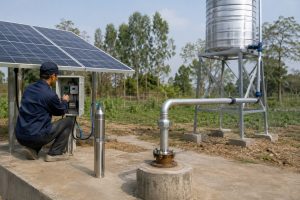
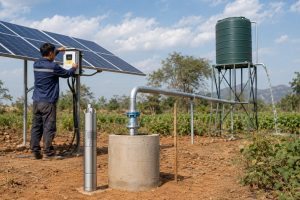
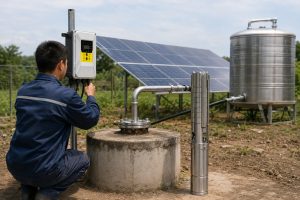
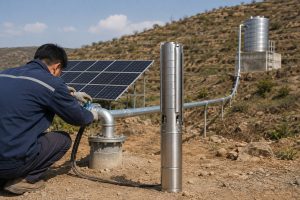
Modern pump technology has moved beyond traditional grid-powered models. Solar-powered pumps, driven by hyper-efficient brushless motors, offer grid independence, near-zero operating costs, and exceptional durability, making them a superior long-term investment.
The future of water pumping is not just about efficiency, but also sustainability and versatility.
For homeowners, farms, and businesses in areas with high electricity costs or unreliable power grids, solar water pumps have become a game-changing technology.
They are no longer a niche product but a mainstream solution for everything from domestic water supply to large-scale irrigation.
Understanding the different types of solar pumps and the core technology that drives them is key to selecting a system that perfectly matches your specific water needs.
Let's explore the powerful and diverse world of modern solar pumping systems.
A Portfolio for Diverse Water Needs
Not all water sources are the same, and a one-size-fits-all approach doesn't work.
Advanced solar pump systems are offered in a portfolio to meet diverse requirements, from deep wells with low flow to shallow sources needing high volume.
| Pump Type | Key Feature | Best Application | Flow/Head |
|---|---|---|---|
| Solar Screw Pump | Sand Resistant | Deep wells, domestic water, livestock | Low Flow / High Head |
| Solar Plastic Impeller Pump | High Volume | Farm irrigation, gardens, high flow needs | High Flow / Medium Head |
| Solar Stainless Steel Pump | Corrosion Resistant | Acidic/alkaline water, premium homes | High Flow / Medium-High Head |
- Solar Screw Pumps: These pumps use a helical stainless steel screw inside a rubber stator. This design is exceptionally good at handling sandy or silty water and can push water from very deep wells (high head). Their limitation is a lower flow rate, making them ideal for filling tanks for homes or livestock, not for flood irrigation.
- Solar Plastic Impeller Pumps: These are multi-stage centrifugal pumps that use durable, wear-resistant plastic impellers. They are designed to deliver high volumes of water (high flow) and are perfect for farm irrigation or moving large amounts of water quickly. They are lightweight and economical but less suited for highly corrosive water.
- Solar Stainless Steel Impeller Pumps: For the most demanding environments, these pumps feature impellers and pump bodies made from SS304 stainless steel. They offer excellent corrosion resistance, making them the only choice for acidic or alkaline water conditions. They combine high flow with high reliability and a long service life, justifying their premium cost.
The Powerhouse: BLDC Permanent Magnet Motors
The true innovation behind modern solar pumps is the motor.
All three pump types are powered by a Brushless DC (BLDC) permanent magnet motor.
This is the core technology that sets them apart from traditional AC pumps.
Technical Advantages:
- Extreme Efficiency: BLDC motors achieve efficiencies exceeding 90%, compared to 50-70% for standard AC motors. This means they convert more solar energy into water movement, requiring up to 30% fewer solar panels for the same job.
- High Torque: They produce high torque even at low speeds, allowing them to start pumping earlier in the morning and continue later in the evening.
- Compact and Lightweight: These motors are significantly smaller and lighter (up to 47% smaller and 39% lighter) than traditional motors, simplifying installation.
- Maintenance-Free: With no brushes to wear out, they are virtually maintenance-free and designed for a service life exceeding 10 years.
This motor technology, combined with an intelligent MPPT (Maximum Power Point Tracking) controller, ensures the system is always squeezing the maximum amount of power from the available sunlight.
Hybrid AC/DC Technology for 24/7 Operation
What happens on cloudy days or at night?
The latest innovation addresses this limitation with hybrid AC/DC controllers.
These smart controllers can accept power from two sources simultaneously.
The system prioritizes solar power whenever it's available.
If sunlight is insufficient, the controller can automatically blend in power from the AC grid or a generator to maintain water flow.
When no solar power is available, it seamlessly switches to the AC source.
This ensures a completely reliable, worry-free water supply 24 hours a day, combining the free energy of the sun with the reliability of the grid.
Conclusion
A pump's lifespan depends more on consistent care than on brand alone.
With proper maintenance, you can extend its life significantly, saving money and avoiding stress.
Recognize warning signs early, and choose a replacement that offers long-term value and efficiency.
FAQs
How do I know if my pool pump motor is bad?
Look for loud grinding or screeching noises, a motor that is hot to the touch, or a pump that repeatedly trips the circuit breaker. These are clear signs of impending motor failure.
Can a pool pump last 20 years?
It is extremely rare. While possible under perfect conditions with meticulous maintenance, most pumps will require major repairs or replacement long before hitting the 20-year mark due to component wear.
Is it worth repairing a 10 year old pool pump?
Usually not. A 10-year-old pump is near the end of its expected lifespan. Investing in a repair is risky, as another part will likely fail soon. Replacement is often more cost-effective.
What is the most common failure on a pool pump?
The most common failures are worn-out motor bearings, which cause loud noises, and failed shaft seals, which lead to leaks. Both are often caused by poor maintenance or age.
Should I run my pool pump on high or low?
For variable-speed pumps, run on low speed for general filtration to save energy and reduce wear. Use high speed only when needed for cleaning, backwashing, or running water features.
How much does it cost to replace a pool pump?
A new pool pump installation typically costs between $700 and $6,000. The price depends heavily on the type (single-speed vs. variable-speed), horsepower, and brand.
How many hours a day should a pool pump run?
A common goal is to run the pump long enough to turn over the entire pool volume at least once per day. For most variable-speed pumps, this can be achieved in 8-12 hours at low speed.
Can I replace just the motor on my pool pump?
Yes, you can replace just the motor. However, it's often not cost-effective on older pumps, as the cost can approach that of a new, more efficient complete pump unit.