Worried about your pond fish surviving without a pump?
Stagnant water is a silent killer.
Reliable circulation is the only way to ensure their survival and your peace of mind.
In short, no common pond fish, including goldfish and koi, can truly thrive long-term without a pump. A pump is essential for oxygenation and waste removal. Without it, water quality degrades dangerously within hours, leading to fish stress, illness, and eventual death.
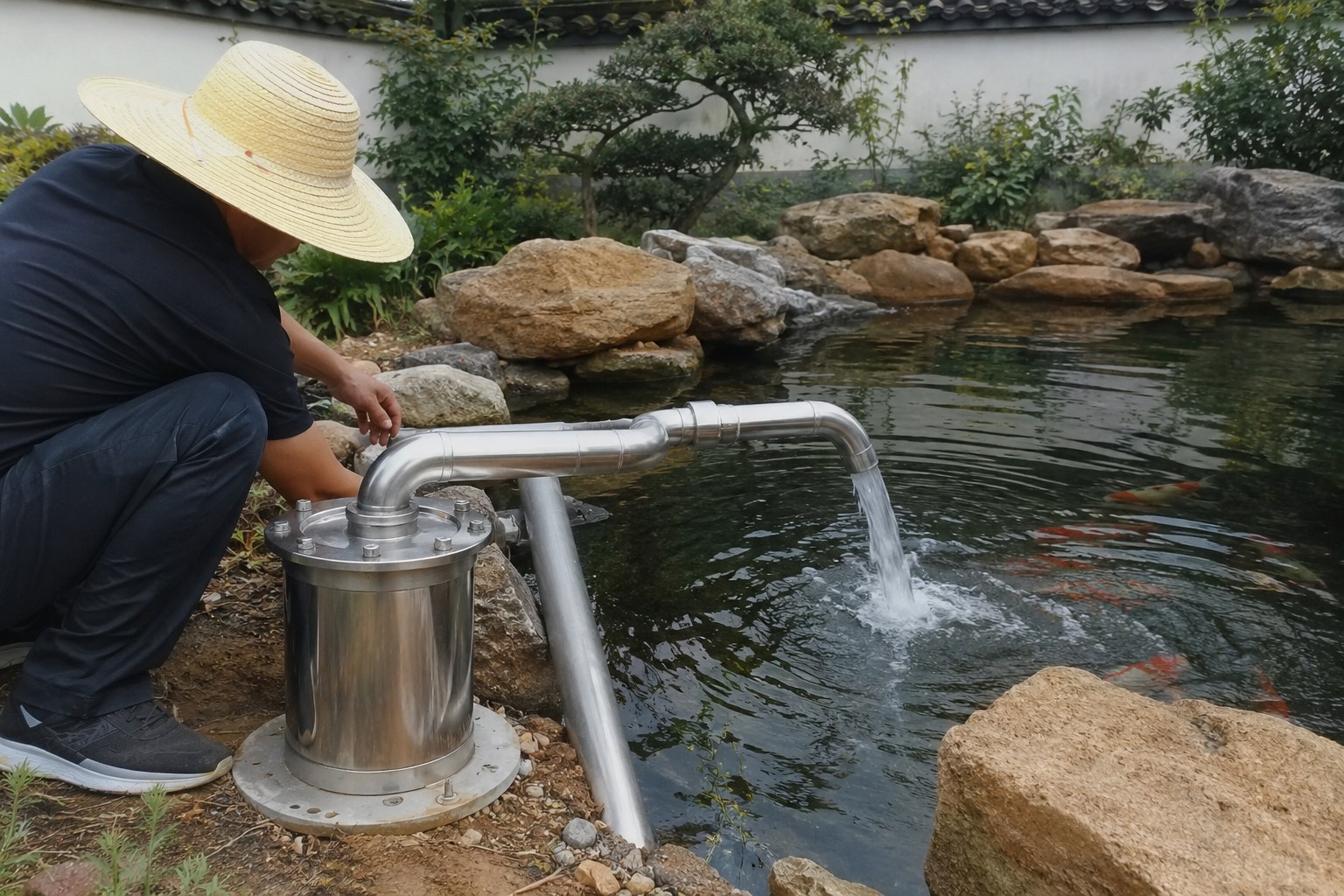
The dream of a completely natural, self-sustaining pond filled with shimmering fish is a powerful one.
However, the biological reality is that once you add fish, you create a system that produces more waste than a "natural" pond can handle.
A pump is not just an accessory; it is the heart and lungs of your aquatic ecosystem.
But what happens when that lifeline fails due to a power outage or mechanical issue?
Understanding why circulation is so critical is the first step to creating a truly resilient and safe home for your fish.
Let's explore the science behind a healthy pond and how you can guarantee it never fails.
Why Water Circulation Is a Non-Negotiable for Pond Fish
Wondering why a still pond is a dangerous pond?
Lack of water movement can suffocate your fish.
It quickly turns your beautiful water garden into a toxic environment.
Water circulation is crucial because it distributes life-giving oxygen throughout the entire pond. It also moves waste toward the filter. Without it, oxygen stays at the surface, leaving deeper areas depleted, while harmful ammonia and toxins from fish waste build up, creating a deadly environment for your fish.
A pond without a pump is like a room with no windows or doors.
Very quickly, the air becomes stale and unbreathable.
In a pond, this process happens with oxygen in the water.
The health of your entire pond ecosystem hinges on constant water movement.
This movement performs two vital, life-sustaining functions: distributing oxygen and removing waste.
Without a pump driving this circulation, both processes halt, and the pond's chemistry begins a rapid and dangerous decline.
It's a countdown to catastrophe that starts the moment the water stops moving.
The Oxygen Cycle in a Pond
Oxygen primarily enters the pond at the water's surface through contact with the air.
A pump creates a current that pulls this oxygen-rich surface water down into the deeper parts of the pond.
Simultaneously, it draws oxygen-poor water from the bottom, where waste decomposes, up to the surface to be re-oxygenated.
This continuous exchange ensures that fish have sufficient oxygen to breathe, no matter where they are in the pond.
In a stagnant pond, this cycle stops.
Oxygen levels at the bottom can drop by over 50% within just 8-10 hours, creating "dead zones" where fish cannot survive.
The Nitrogen Cycle and Waste Management
Fish produce ammonia as a waste product.
In high concentrations, ammonia is extremely toxic.
A healthy pond relies on beneficial bacteria, which colonize your filter media, to break down this ammonia into less harmful substances.
A pump is the transport system that delivers this ammonia-laden water to the bacteria in the filter.
Without circulation, ammonia concentrates around your fish at the bottom of the pond, effectively poisoning them in their own waste.
This can lead to chemical burns on their gills and skin, severe stress, and death.
The Deadly Cascade of Stagnant Water
The consequences of a non-circulating pond are predictable and swift, especially in warmer weather.
The process unfolds in a series of cascading failures.
Understanding this timeline highlights the urgency of maintaining constant water flow.
| Time Without Pump | Event | Impact on Fish |
|---|---|---|
| 0-6 Hours | Oxygen levels begin to drop significantly. | Fish may appear normal, but underlying stress begins. |
| 6-12 Hours | Oxygen-depleted zones form. Fish gasp at the surface. | Severe stress. Increased susceptibility to disease. |
| 12-24 Hours | Ammonia spikes to toxic levels. | Gill damage, lethargy, potential for mass casualties. |
| 24+ Hours | Beneficial bacteria die-off releases more toxins. | Catastrophic system collapse. Survival is unlikely. |
The Dangers of Reduced Oxygen Levels for Koi and Goldfish
Do your fish seem lazy or are they gasping for air at the surface?
These are serious red flags for low oxygen.
This condition, known as hypoxia, can become fatal in a surprisingly short amount of time.
Reduced oxygen is extremely dangerous for pond fish. It causes severe physiological stress, weakens their immune system by up to 60%, and can lead to suffocation in as little as 6 to 12 hours. This danger is magnified in warmer months when water naturally holds less dissolved oxygen.
Imagine being at a high altitude where you can't get enough air.
That feeling of desperation is what your fish experience when oxygen levels in the pond plummet.
This isn't just uncomfortable for them; it's a direct threat to their lives.
Even a single goldfish in a large, well-planted pond will eventually be overwhelmed if there is no mechanical aeration.
The biological demand for oxygen from fish and decomposing organic matter far exceeds what plants alone can provide.
How Oxygen Depletion Happens
The amount of dissolved oxygen water can hold is directly related to its temperature.
Warm water holds significantly less oxygen than cold water.
For example, water at 86°F (30°C) holds about 25% less oxygen than water at 50°F (10°C).
At the same time, a fish's metabolism speeds up in warmer water, meaning it needs more oxygen.
This combination of lower oxygen supply and higher demand makes summer power outages particularly deadly.
A high fish load further exacerbates the problem, as more fish are competing for the limited available oxygen.
The Domino Effect of Hypoxia
The danger doesn't stop with suffocation.
The beneficial bacteria that perform nitrification—the process of breaking down toxic ammonia—are aerobic.
This means they also require oxygen to survive.
When oxygen levels fall, these bacterial colonies begin to die off.
A dead or dying filter not only stops processing new waste but can also release the toxins it has already collected back into the water.
This creates a secondary crisis.
Even if you restore power and aeration, your fish may still be at risk from a massive spike in ammonia and nitrites, which can take days or even weeks to re-balance.
Visual Cues of Oxygen Distress
Your fish will tell you when they are in trouble.
Being able to recognize the signs of hypoxia is critical for a quick response.
Look for these behaviors:
- Gasping at the Surface: Fish will hover at the top, gulping for air where oxygen concentration is highest.
- Lethargy: Fish will become listless and inactive, often resting at the bottom of the pond if they can find any oxygen there.
- Congregating Near Water Features: Fish will crowd around any source of water movement, such as a waterfall or fountain, in a desperate search for oxygen.
- Loss of Appetite: Stressed fish will refuse to eat.
If you see these signs, it's an emergency.
You must take immediate action to aerate the water.
How to Safeguard Your Pond During Pump Failures
A power outage or a broken pump is a pond owner's nightmare.
Without a solid backup plan, you risk losing your valuable fish within hours.
Here’s how you can prepare for the worst and protect your investment.
During a pump failure, immediate action is key. Use a backup power source like a battery system (UPS) or a generator. Manually aerate the water by stirring it or pouring buckets from a height. The best long-term solution is a reliable, grid-independent solar pump system.
An emergency situation requires a calm and prepared response.
The exact amount of time your fish can survive depends on fish load, water temperature, and pond size, but you should never test these limits.
An hour without circulation could be catastrophic.
Having a multi-layered defense strategy, from immediate manual intervention to long-term automated backups, is the hallmark of a responsible pond owner.
Immediate Emergency Actions
If your pump stops and you have no backup, you must become the pump.
Your goal is to break the surface tension of the water to introduce oxygen.
- Bucket Method: Take a bucket, fill it with pond water, and pour it back into the pond from a height of 2-3 feet. Repeat this process continuously. The splashing action helps aerate the water.
- Stirring: Use a paddle or pole to vigorously stir the water, creating a current and mixing the surface layer with deeper water.
- Hose Spray: If you have access to tap water (and have treated it with a dechlorinator), spraying the surface of the pond with a garden hose nozzle can provide temporary oxygenation.
These methods are labor-intensive and are only a short-term fix to buy you time.
Short-Term Backup Solutions
For more automated protection during shorter outages, consider these options:
- Uninterruptible Power Supply (UPS): A large battery backup, like those used for computers, can run a small to medium-sized pond pump for an hour or more, depending on the UPS size and the pump's wattage. This is often enough to bridge the gap during brief power flickers.
- Generator: For areas with frequent or extended power outages, a gas-powered generator is a reliable option. It can power your main pump, filters, and heaters indefinitely, as long as you have fuel. However, they are noisy, require maintenance, and produce fumes.
The Ultimate Solution: Solar-Powered Pumps
The most robust and hassle-free solution is to make your pond's life support system independent of the power grid.
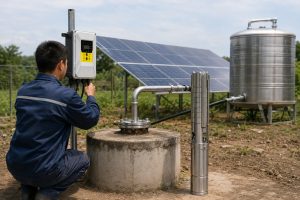
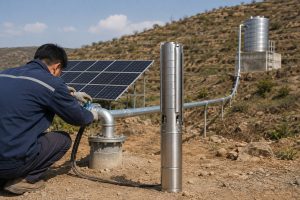
Solar-powered pumps provide continuous circulation during daylight hours for free.
When paired with a battery backup, they can offer 24/7 protection.
This technology eliminates the worry of grid failures and insulates you from rising electricity costs, making it the superior choice for long-term pond security.
Why Solar-Powered Pumps Are Game-Changers for Pond Health
Tired of worrying about power outages and high electricity bills for your pond pump?
Solar technology offers a truly reliable, eco-friendly, and cost-effective alternative.
It provides the constant circulation your pond needs to thrive.
Solar-powered pumps are game-changers because they operate independently from the electrical grid. This provides uninterrupted water circulation during power outages, saves money on electricity, and reduces your environmental footprint. They are the key to true pond security and sustainability.
Imagine a world where your pond's health is no longer tied to the reliability of your local power company.
That is the freedom that solar water pumping provides.
It's a shift from a reactive to a proactive approach to pond management.
Instead of scrambling during an outage, you can have peace of mind knowing your pond's circulation is self-sufficient.
This technology represents a significant leap forward, offering a trifecta of benefits: resilience, economic savings, and environmental responsibility.
Energy Independence and Reliability
The single greatest advantage of a solar pump is its ability to function during a grid power failure.
For a pond owner, this is not a luxury; it is a critical safety feature.
During a summer storm or heatwave when power grids are most stressed and outages are common, your solar pump will continue to circulate and oxygenate the water, protecting your fish when they are most vulnerable.
This independence provides a level of security that traditional AC-powered pumps simply cannot match without costly and cumbersome backup systems.
Economic and Environmental Benefits
A traditional pond pump that runs 24/7 can be a significant drain on electricity, adding a noticeable amount to your monthly utility bill.
A solar pump operates using free energy from the sun.
The initial investment in the system is offset over time by a 100% reduction in the pump's operating cost.
This makes it a wise financial decision for the long term.
Furthermore, by using clean, renewable solar energy, you are reducing your household's carbon footprint and contributing to a more sustainable future.
The Core of the System: The BLDC Motor
The magic behind modern solar pumps lies in their motors.
These systems are driven by highly efficient Brushless DC (BLDC) permanent magnet motors.
These advanced motors can achieve electrical-to-mechanical conversion efficiencies of over 90%, far surpassing older motor technologies.
What this means for you is that they convert more of the sun's energy into actual water movement.
This high efficiency allows for smaller, more affordable solar panel arrays.
The compact design of these motors—often up to 47% smaller and 39% lighter than their predecessors—also makes installation easier and more versatile.
They are the powerful, efficient heart of a modern, reliable solar pond system.
Choosing the Right Solar Pump for Your Pond's Needs
Not all solar pumps are created equal.
Choosing the right model is essential for achieving optimal circulation and filtration.
The perfect pump for you depends on your pond's volume, depth, and any special water features you have.
To choose the right solar pump, first determine your pond's volume and the required flow rate, often 50-100% of the pond's volume per hour. Then, consider the pump type. High-pressure screw pumps are for waterfalls, while high-flow centrifugal pumps are for general circulation and filtration.
Selecting a solar pump is a technical decision that will directly impact the health of your pond.
A pump that is too weak will fail to circulate the water effectively, creating dead zones.
A pump that is mismatched for its application, such as using a low-pressure pump for a tall waterfall, will result in poor performance.
By understanding the main types of solar pumps available, you can make an informed choice that perfectly aligns with the specific demands of your aquatic ecosystem.
For High-Pressure Needs: The Solar Screw Pump
This type of pump uses a stainless steel screw rotating within a rubber stator.
It functions by pushing pockets of water through the pump body.
This design generates very high pressure (head) but at a lower flow rate.
- Best Applications: Ideal for powering waterfalls, streams, or decorative fountains where you need to lift water to a significant height. They are also excellent for deep ponds where you need to pull water from the very bottom to the surface filter.
- Key Advantage: Their ability to handle high pressure makes them versatile for dynamic water features. Many designs are also highly resistant to sand and sediment.
The All-Rounder: The Solar Plastic Impeller Pump
This is a multi-stage centrifugal pump.
It uses a series of durable plastic impellers to move a large volume of water at a medium pressure.
This design prioritizes flow rate over extreme pressure.
- Best Applications: This is the workhorse for most backyard koi and goldfish ponds. Its high flow rate is perfect for powering main circulation and filtration systems, ensuring the entire pond volume is turned over efficiently.
- Key Advantage: It offers an excellent balance of performance and cost. The high water output ensures superior aeration and filtration, while the lightweight, wear-resistant plastic components make it an economical choice.
For Demanding Conditions: The Solar Stainless Steel Impeller Pump
This premium model is also a centrifugal pump, but it utilizes impellers and a pump body made from high-grade SS304 stainless steel.
It is specifically designed for durability in harsh environments.
- Best Applications: The perfect choice for ponds with potentially corrosive water, such as those with heavy leaf and organic debris that can lower pH. It's also the go-to for owners in regions with alkaline soil or water, or for anyone who demands the absolute longest service life and reliability.
- Key Advantage: Exceptional corrosion resistance and durability. This pump is built to last, offering the highest level of reliability for protecting valuable fish stocks in challenging water conditions.
Solar Pump Selection Guide
| Pump Type | Best For | Flow Rate | Head (Pressure) | Key Advantage |
|---|---|---|---|---|
| Solar Screw Pump | Waterfalls, Deep Ponds | Low | High | Handles high pressure, sand resistant |
| Plastic Impeller Pump | General Circulation, Filtration | High | Medium | High water output, economical |
| Stainless Steel Impeller | Corrosive Water, Maximum Longevity | High | Medium-High | Extreme durability, corrosion-proof |
Ensuring 24/7 Pond Protection with Hybrid Systems
What happens to a solar pump on a cloudy day or at night?
Your pond's need for oxygen and filtration doesn't stop when the sun goes down.
Hybrid systems offer the ultimate peace of mind, blending solar and grid power seamlessly.
Hybrid AC/DC solar pump systems guarantee your pond runs 24/7, regardless of the weather. They are designed to prioritize free solar energy during the day and can automatically and instantly switch to AC grid power at night or during heavy cloud cover.
The final piece of the pond security puzzle is ensuring 100% uptime.
While a standard solar pump is a massive upgrade in reliability over a grid-only pump, a hybrid system perfects the solution.
It eliminates the need for a separate battery backup system for overnight operation.
This technology provides the best of both worlds: the free, clean energy of solar and the absolute reliability of the electrical grid, all managed by one intelligent controller.
How Hybrid Controllers Work
The brain of the system is the AC/DC controller.
It is designed with inputs for both solar panels (DC power) and your home's electrical supply (AC power).
The controller's primary function is to constantly monitor the power being produced by the solar panels.
When there is sufficient sunlight to run the pump, it will use only the free DC solar power.
If the sunlight fades due to clouds or sunset, the controller instantly and automatically switches over to the AC power source to keep the pump running at full capacity.
This transition is seamless, ensuring the water circulation never stops.
Maximizing Solar Energy Use
An intelligent hybrid controller does more than just switch between sources.
Many are programmed with a "hybrid" mode.
On a partly cloudy day, when solar power is available but not enough to run the pump at full speed, the controller will draw the remaining power it needs from the AC grid.
This function maximizes the use of every bit of available solar energy, still reducing your electricity consumption, while guaranteeing the pump performs optimally.
It ensures you are always using the cheapest possible energy source at any given moment.
The Benefit of Uninterrupted Operation
With a hybrid system, the dangerous scenarios discussed earlier—oxygen depletion, ammonia spikes, and bacterial die-offs—are completely prevented.
Your pond's life support system remains fully operational 24 hours a day, 365 days a year, through storms, heatwaves, and nightfall.
This provides the highest possible level of security for your valuable fish.
It transforms your pond pump from a point of failure into a bastion of reliability, giving you true worry-free enjoyment of your water garden.
Conclusion
In summary, pond fish cannot survive without a pump.
Solar and hybrid pump systems offer a reliable, cost-effective, and sustainable solution to ensure their health and safety 24/7.
FAQs
Can fish survive in a pond without a filter but with a pump?
A pump provides oxygen, but a filter removes toxic waste. Without a filter, ammonia levels will rise and harm the fish, so both are considered essential.
How can I oxygenate my pond without a pump?
In an emergency, you can pour buckets of water from a height or spray the surface with a hose to add oxygen, but these are temporary, labor-intensive fixes.
Do pond pumps use a lot of electricity?
Yes, a traditional pump running 24/7 can be one of the more significant energy users in a garden. Solar pumps eliminate this cost entirely.
How many hours a day should a pond pump run?
A pond pump should run 24 hours a day, 365 days a year. Turning it off, even for a few hours, can cause oxygen levels to drop dangerously.
Can I turn my pond pump off at night to save money?
No. Turning off the pump at night is dangerous as oxygen levels naturally drop overnight. This is often when fish need the circulation most.
What is the difference between an aerator and a pump?
A pump circulates water, often sending it through a filter or waterfall. An aerator specifically introduces oxygen, usually by bubbling air directly into the water.
How deep should a goldfish pond be?
A goldfish pond should be at least 2-3 feet deep. This depth helps protect the fish from predators and provides a more stable water temperature.
Do pond plants add enough oxygen for fish?
While plants produce oxygen during the day, they consume it at night. They cannot provide enough oxygen to support fish, especially in a well-stocked pond.