Struggling with high energy bills from your pool?
A solar pool system is a smart investment that can last anywhere from 15 to 20 years.
Proper installation and regular maintenance are key to maximizing its lifespan, ensuring you get decades of energy-efficient performance and savings.
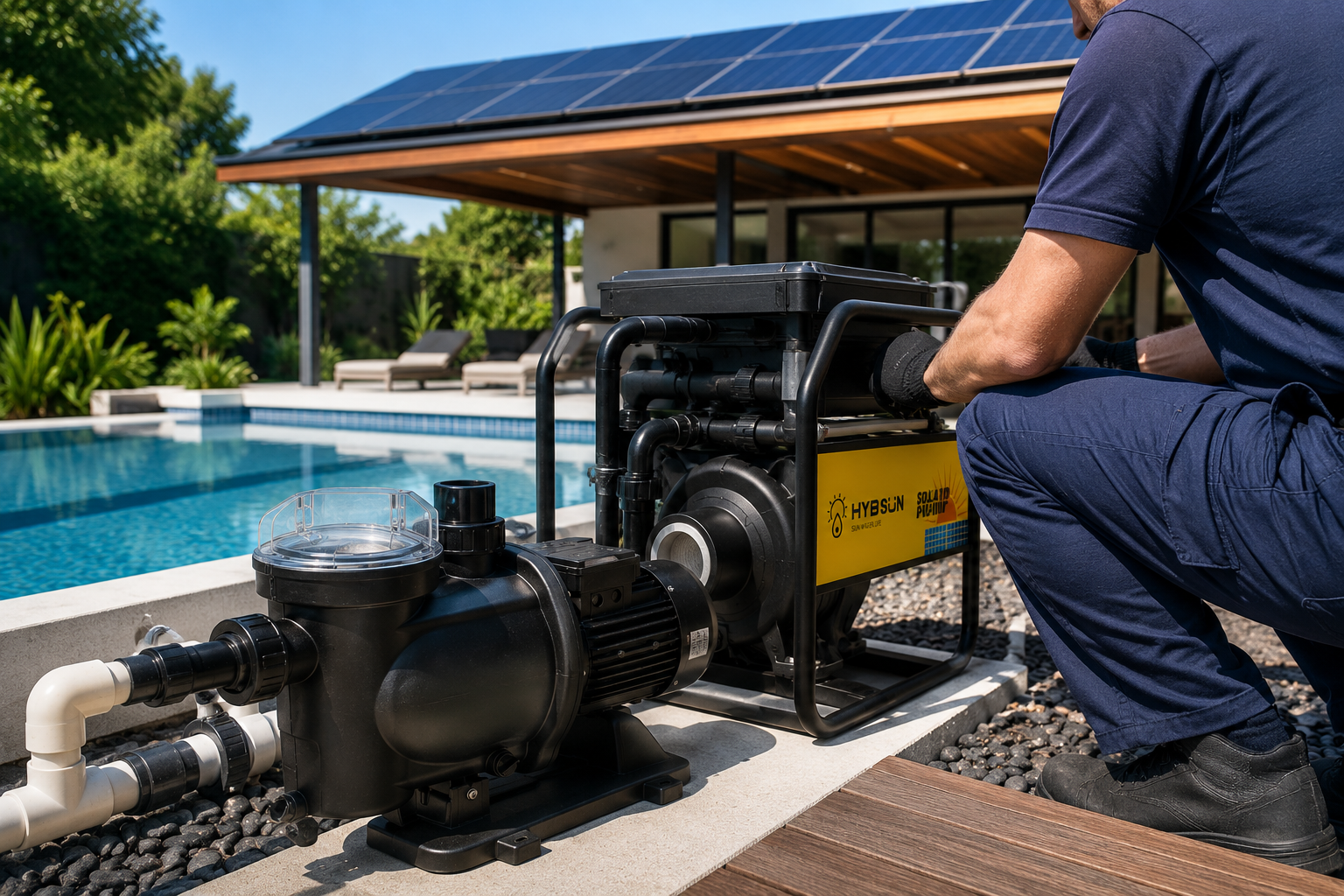
That's a long time for a piece of equipment to run.
But the lifespan isn't just about the panels.
It also depends on the type of system you choose and how well you take care of it.
Let's dive into the details of what makes these systems tick and how to get the most out of your investment.
Understanding the components of a solar pool heating system
Worried about the complexity of solar pool systems?
They are simpler than you think.
A typical system includes solar collectors, a pump, a filter, and a flow control valve.
These durable parts work together to efficiently heat your pool using the sun's free energy.
A solar pool heating system might sound complex, but its design is beautifully simple and effective.
Understanding each part helps clarify how the system works and how long you can expect it to last.
The core of the system is the solar collector, which typically lasts the longest.
However, other components also play a crucial role in the system's overall longevity and performance.
The Solar Collector
The solar collector, also known as the thermal solar panel, is the most visible part of the system.
It's usually mounted on your roof or another sunny area.
Pool water is pumped through these collectors, where it absorbs the sun's heat before returning to the pool.
These panels are built to endure decades of sun exposure, rain, and wind.
High-quality collectors are made from UV-stabilized materials like polypropylene or high-density polyethylene.
This construction prevents them from becoming brittle or breaking down over time.
Many manufacturers offer warranties of 10 to 12 years, but the panels themselves often function efficiently for 20 years or more.
The Pump and Filter
Your existing pool pump and filter are integral to the solar heating system.
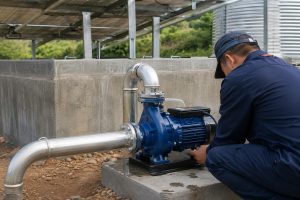
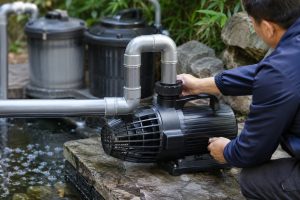
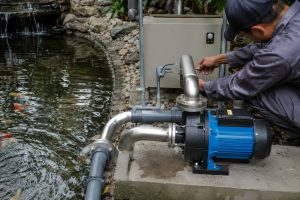
The pump is responsible for circulating water from the pool, through the filter, and up to the solar collectors.
The lifespan of a standard single-speed pool pump is typically 8-10 years.
However, many modern systems are paired with variable speed pumps (VSPs).
VSPs are not only more energy-efficient but also tend to last longer, often 10-15 years, because they can run at lower speeds, reducing wear and tear.
Regular maintenance, like cleaning the pump basket and filter, is vital for extending the life of these components and ensuring optimal water flow.
The Flow Control Valve and Sensors
The flow control valve is the system's brain.
It works with temperature sensors to direct water through the solar collectors only when heating is needed and beneficial.
This automation prevents the system from cooling the pool at night or on cloudy days.
The valve also ensures the water flows at the correct rate for maximum heat absorption.
These components are generally very reliable, but they are electronic and mechanical parts that can fail.
Their lifespan is typically around 10 years, and they are relatively inexpensive to replace compared to the collectors.
| Component | Average Lifespan | Key Factors for Longevity |
|---|---|---|
| Solar Collectors | 15-20+ years | UV-resistant material, proper installation |
| Pool Pump | 8-15 years | Type (single vs. variable speed), maintenance |
| Flow Control Valve | 10-12 years | Protection from elements, brand quality |
| Temperature Sensors | 10-12 years | Proper installation, protection from damage |
Comparing solar heaters with gas and electric options
Tired of unpredictable heating costs?
Electric and gas heaters have high operating expenses.
A solar heater offers a far more cost-effective solution.
While the initial investment is higher, it has virtually no operating costs, saving you up to 70% on pool heating bills annually.
When choosing a pool heater, homeowners typically weigh three main options: solar, gas, and electric heat pumps.
Each has its own set of advantages and disadvantages related to cost, performance, and longevity.
Understanding these differences is crucial for making an informed decision that aligns with your budget, usage patterns, and long-term goals.
A direct comparison reveals why solar heaters are often considered the superior long-term investment.
Initial and Operating Costs
Gas and electric heat pumps have a lower upfront cost than solar heaters.
A gas heater can be installed for around $1,500 to $4,000, while an electric heat pump ranges from $2,000 to $5,000.
In contrast, a solar pool heating system typically costs between $2,500 and $6,500.
However, the financial story changes dramatically when you look at operating costs.
Gas heaters are the most expensive to run, potentially costing hundreds of dollars per month.
Electric heat pumps are more efficient but still add a significant amount to your utility bill.
Solar heaters, on the other hand, use your existing pool pump and the free energy of the sun, making their operating costs nearly zero.
Lifespan and Payback Period
Longevity is where solar systems truly shine.
As we've seen, solar collectors can last for 20 years or more.
Conversely, gas heaters have the shortest lifespan, typically 5 to 10 years, due to their many moving parts and exposure to corrosion.
Electric heat pumps fare better, lasting between 10 and 15 years.
The combination of high operating costs and shorter lifespans for traditional heaters means the payback period for a solar system is surprisingly short.
Many homeowners recoup their initial investment in just 2 to 3 years through savings on their energy bills.
| Heater Type | Initial Cost | Est. Annual Operating Cost | Average Lifespan | Payback Period |
|---|---|---|---|---|
| Solar Heater | $2,500 - $6,500 | ~$50 (for pump) | 15 - 20+ years | 2 - 3 years |
| Electric Heat Pump | $2,000 - $5,000 | $500 - $1,500 | 10 - 15 years | N/A |
| Gas Heater | $1,500 - $4,000 | $1,200 - $3,000 | 5 - 10 years | N/A |
Performance Considerations
While solar is superior in cost and longevity, performance can vary.
Gas heaters are the speed kings; they can heat a pool quickly regardless of the weather.
Electric heat pumps are efficient but work best when the ambient air temperature is above 50-55°F (10-13°C).
Solar heaters are dependent on sunshine.
They work exceptionally well during sunny days but are less effective during extended cloudy periods or at night.
For this reason, some homeowners in cooler climates opt for a hybrid system, using a solar heater for day-to-day heating and a gas or electric heater as a backup.
Why you should reconsider a solar-only pool pump
Considering a completely off-grid pool pump?
This seems like a great way to get free circulation.
However, solar-only pumps have significant drawbacks.
Their performance is entirely weather-dependent, which can compromise your pool's sanitation and filtration, especially during long periods of cloudy weather.
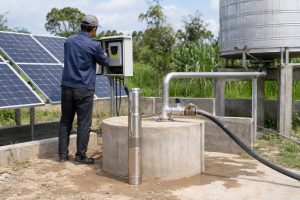
A solar pool pump, which runs directly off dedicated solar panels without a battery, sounds like the ultimate money-saver.
The idea is to circulate your pool water for free using only the power of the sun.
While the concept is appealing, the practical application in many residential settings, particularly in places like Florida, reveals several critical flaws.
These limitations often make a different approach more practical and reliable for maintaining a healthy and functional pool.
Inconsistent Circulation and Sanitation
The biggest issue with a solar-direct pump is its reliance on immediate sunlight.
The pump's speed and, therefore, the water circulation rate, vary directly with the sun's intensity.
On a bright, sunny day, it works well.
But on cloudy days, during early mornings, or in the late afternoon, the flow can drop dramatically.
Pools require consistent water turnover to properly distribute chemicals, filter out debris, and prevent algae growth.
Extended periods of poor circulation due to adverse weather can quickly lead to a green, unhealthy pool.
To mitigate this, you would need to significantly oversize the solar array, which drives up the cost and negates some of the savings.
Incompatibility with Pool Features and Heaters
Modern pools are more than just basins of water; they often include features that require specific flow rates.
- Spas and Jets: A solar-only pump typically cannot generate the powerful flow needed for invigorating spa jets.
- Water Features: Waterfalls, bubblers, and spillover spas will have a variable, and often unsatisfying, flow that fluctuates with the sun.
- Heaters: Both solar pool heaters and traditional gas/electric heaters require a minimum, consistent flow rate to operate safely and efficiently. The variable output of a solar pump often fails to meet this requirement, causing the heater to shut off or perform poorly.
Better Alternatives: The Hybrid Approach
For pool owners committed to energy savings without compromising performance, a better solution exists.
Pairing an ultra-efficient variable speed pump (VSP) with a home solar electricity (photovoltaic) system offers the best of both worlds.
A VSP can reduce pump-related energy consumption by up to 90% compared to a single-speed pump.
When powered by a grid-tied solar array on your roof, you effectively eliminate the pump's operating cost.
This setup provides several advantages over a direct solar pump:
- Reliable Operation: The VSP runs consistently, powered by the grid when solar energy is insufficient, ensuring proper sanitation 24/7.
- Full Functionality: You can run your pump at night, power all your pool features, and operate any type of heater without issue.
- Whole-Home Savings: The solar panels power more than just the pump. Any excess energy produced offsets other
electricity usage in your home, maximizing your return on investment.
Some advanced systems even offer hybrid AC/DC controllers.
These smart devices can automatically switch between solar power and AC grid power.
They prioritize using free solar energy whenever available and seamlessly switch to the grid when the sun isn't shining, ensuring uninterrupted, cost-effective operation.
Maximizing the lifespan and ROI of your system
Want to ensure your investment pays off for decades?
Simple maintenance is the key.
Regularly check for leaks, keep collectors clean, and ensure proper water chemistry.
This small effort protects your system, guarantees optimal performance, and maximizes your return on investment for years to come.
Investing in a solar pool heating system is a smart financial move, but its longevity and return on investment (ROI) are not guaranteed without a little care.
A well-maintained system can easily outlive its 15-to-20-year expected lifespan, providing you with free pool heating for longer.
The steps to maximize your system's life are straightforward and require minimal effort compared to the maintenance of gas or electric heaters.
The Importance of Water Chemistry
This is the single most critical factor for the longevity of any pool equipment, including your solar heater.
Improper water chemistry can be corrosive or cause scale buildup, both of which can damage the system from the inside out.
- pH Balance: Keep your pH between 7.4 and 7.6. A low pH (acidic) can corrode metal components in any heater, while a high pH can lead to calcium scaling that clogs the small tubes in your solar collectors.
- Chlorine Levels: Excessively high chlorine levels can degrade the plastic and rubber components of the system over time.
- Calcium Hardness: Keep calcium hardness within the recommended range (typically 200-400 ppm) to prevent scale formation.
Test your water weekly and adjust as needed.
This simple habit is the best insurance policy for your entire pool system.
Regular Inspection and Cleaning
While solar pool heaters are famously low-maintenance, they are not "no-maintenance."
A brief inspection a few times per season can catch small issues before they become big problems.
- Check for Leaks: Inspect the panels and all plumbing connections for any signs of dripping or water stains. Pay close attention to the connections between panels and where the pipes enter and exit the roof.
- Clean the Collectors: In most climates, regular rainfall is enough to keep the collectors clean. However, if you live in a dusty area or notice a film of dirt or pollen, a quick rinse with a garden hose is all that's needed. Never use harsh chemicals or abrasive cleaners.
- Inspect Mountings: Ensure the panels are still securely fastened to the roof. High winds can loosen straps or clamps over time.
Winterizing Your System
If you live in a climate with freezing temperatures, properly winterizing your system is essential to prevent catastrophic damage.
When water freezes, it expands, and this expansion can easily crack the collectors and pipes.
Most systems are designed with drain-down features.
The control system should automatically drain all water from the collectors and pipes when the pump shuts off and freezing temperatures are detected.
It is crucial to verify that your system is draining completely before the first hard freeze of the season.
Check that the drain plugs are open and that no water is trapped in low points of the plumbing.
Proper winterization ensures your system will be ready to go as soon as the swimming season returns.
Conclusion
A solar pool system is a long-lasting, cost-effective investment.
With proper care, it can provide free, reliable heating for up to 20 years or more.
FAQs
How long do solar pool heater panels last?
Solar pool heater panels typically last 15 to 20 years. Many will continue to function efficiently even longer, thanks to their durable, UV-resistant construction and simple design.
Do solar pool heaters work on cloudy days?
They can provide some heating on overcast days, but their efficiency is significantly reduced. They rely on direct sunlight for optimal performance and will not heat the pool effectively during extended cloudy periods.
Can you run a solar pool heater at night?
No, running a solar pool heater at night would cool your pool. The system works by collecting heat from the sun; at night, it would radiate heat from the water into the cool night air.
Is a bigger solar pool heater better?
Not necessarily. The system should be properly sized for your pool, typically 50-100% of the pool's surface area. An oversized system costs more and may not provide significant additional benefits.
Do I need a cover with a solar pool heater?
A pool cover is highly recommended. It can reduce heat loss from evaporation by up to 70%, keeping the warm water in the pool and reducing the workload of your heater.
How much can I save with a solar pool heater?
You can save up to 70% on annual pool heating costs. The system uses free solar energy, virtually eliminating the high gas or electricity bills associated with traditional heaters.
Can a solar pool heater damage my roof?
When installed correctly by a professional, a solar pool heater will not damage your roof. Installers use proven, leak-proof mounting techniques and flashings to ensure your roof's integrity.
What maintenance does a solar pool heater require?
Maintenance is minimal. It involves maintaining proper pool water chemistry, periodically checking for leaks, and ensuring the system is properly drained if you live in a freeze climate.