Struggling with high electricity bills for your pond pump?
You want a greener, more cost-effective solution but worry about performance on cloudy days.
Yes, solar-powered pond pumps are worth it for decorative features and in off-grid locations. Their value depends on balancing initial cost against long-term energy savings, environmental benefits, and accepting potential performance inconsistencies due to weather. For reliable, high-flow needs, conventional or hybrid systems are often better.
Deciding between a solar pump and a traditional electric one can be confusing.
There are pros and cons to each, and the best choice really depends on your specific needs, pond size, and local climate.
This guide will break down everything you need to know about solar pumps, from how they work to their true costs and limitations.
We'll help you determine if a solar pump is the smart investment for your pond.
How Do Solar Pumps Work?
Ever wondered about the magic behind turning sunlight into a beautiful water fountain?
It seems complex, but the basic idea is surprisingly simple and elegant.
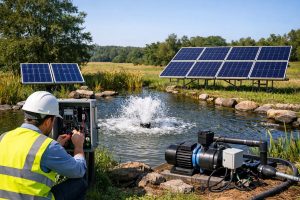
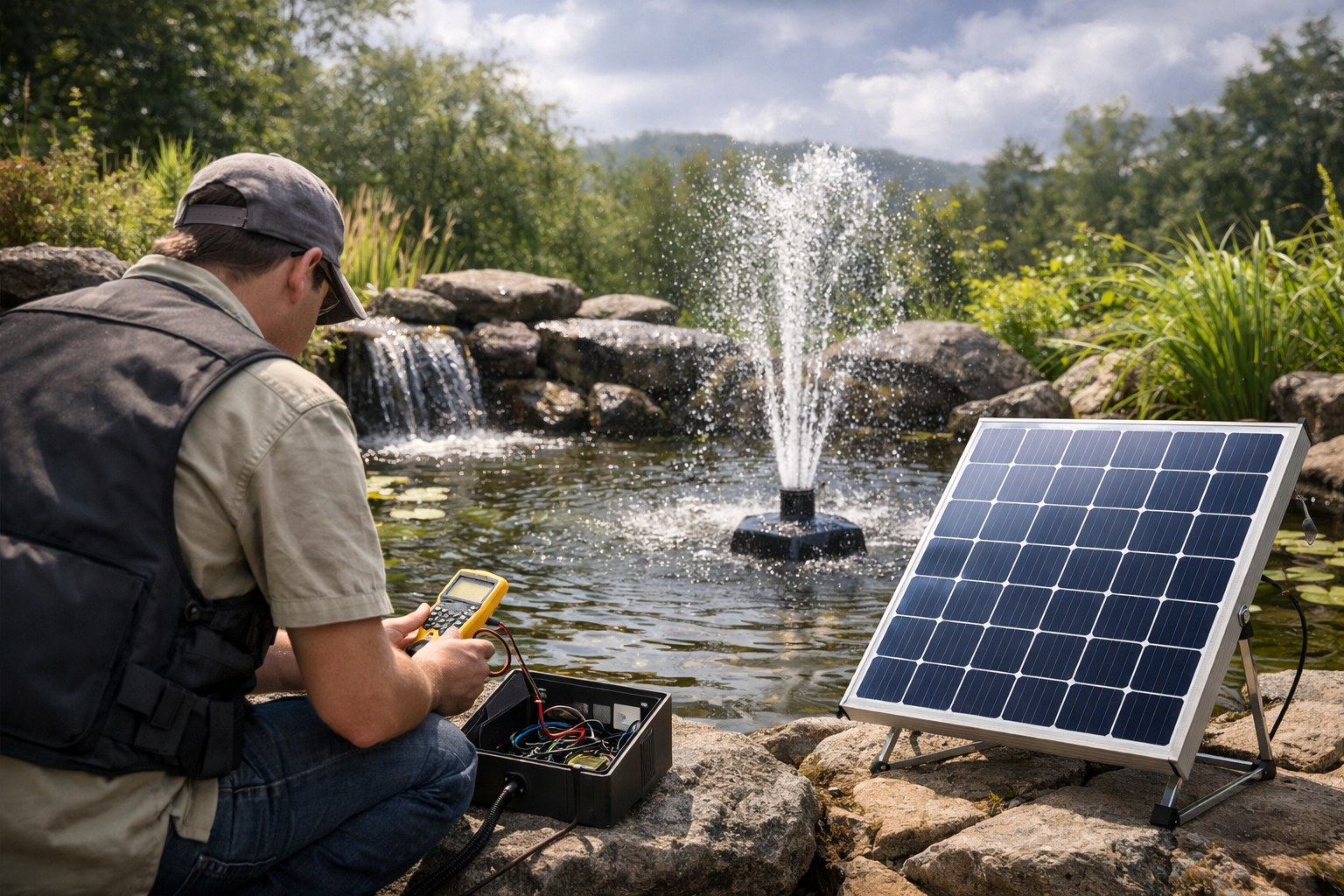
A solar pump works by using a photovoltaic (PV) panel to convert sunlight directly into electricity. This electricity powers a motor, which in turn drives the pump to move water, all without needing a connection to the conventional power grid.
The process of converting sunshine into water flow is a fascinating blend of physics and engineering. It's a system designed for simplicity and efficiency, especially in remote areas. Let's explore the key components and how they work together to bring your water feature to life using only the power of the sun.
The Core Components
At its heart, a solar water pump system has three main parts:
-
The Solar Panel: This is the most visible part of the system. The panel is made up of many smaller photovoltaic (PV) cells. These cells are typically made from silicon. When sunlight, specifically ultraviolet (UV) energy, hits these cells, it excites electrons, creating a direct current (DC) of electricity. The size and number of panels determine how much power can be generated.
-
The Controller: This is the brain of the operation. Modern systems use an intelligent MPPT (Maximum Power Point Tracking) controller. Its job is to optimize the power coming from the solar panel and deliver it to the motor in the most efficient way possible. It adjusts for changing sunlight conditions to ensure the pump runs smoothly. Some advanced controllers also allow for hybrid power, switching to an AC power source when solar energy is insufficient.
-
The Pump Unit: This is the part that does the actual work of moving water. It consists of a motor and the pump itself.
- Motor: The engine of the pump is a crucial component. The most advanced solar pumps use a Brushless DC (BLDC) permanent magnet motor. These motors are incredibly efficient, often converting over 90% of the electrical energy into mechanical motion. This high efficiency means you get more pumping power from a smaller solar panel, reducing overall system cost.
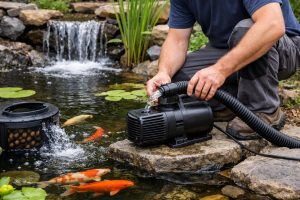
- Pump: This is the mechanism that moves the water. There are two main types: submersible pumps, which are placed directly in the water, and surface pumps, which sit on land.
The Pumping Process Explained
The process starts the moment the sun's rays hit the solar panel.
The PV cells immediately begin converting that light into DC electricity.
This power travels through a cable to the controller.
The MPPT controller refines this electrical input and feeds it to the BLDC motor.
The motor then spins, driving the pump's internal mechanism (like an impeller or screw).
This action draws water in and pushes it out, creating flow for a filter or a fountain display.
For systems with a battery, any excess energy generated by the panel during peak sun is stored in the battery.
This stored power can then be used to keep the pump running during cloudy periods or even after sunset, although performance may be reduced.
What Are The Advantages Of Solar Water Pumps For Ponds?
Tired of being tied to an electrical outlet for your garden's water feature?
A solar pump offers freedom from the grid, cutting both cords and costs.
The main advantages of solar water pumps are their installation flexibility, zero running costs after the initial purchase, and positive environmental impact. They can be placed anywhere the sun shines, making them ideal for remote areas or large properties.
The benefits of harnessing solar power extend beyond just a lower electricity bill.
They represent a shift towards self-sufficiency and sustainability in how we manage our outdoor spaces.
Let's look closer at the specific advantages that make solar pumps an attractive option for many pond owners.
They Can Be Installed Anywhere
One of the most significant benefits of solar pumps is their incredible flexibility.
You are not limited by the location of outdoor electrical outlets.
This is a game-changer for large gardens, farms, or any property where running a power cable would be impractical, expensive, or unsightly.
- Remote Ponds: Have a pond at the far end of your property? A solar pump is the perfect solution.
- Water Features: You can create a fountain or a small stream anywhere you desire, as long as the solar panel can be positioned to receive sunlight.
- Off-Grid Living: For homes and properties not connected to the main power grid, solar pumps provide an essential means of water circulation and aeration without relying on noisy, polluting generators.
This freedom allows for more creative and natural-looking landscape designs.
They Are Environmentally-Friendly
Choosing a solar pump is a concrete step towards reducing your carbon footprint.
Conventional pumps consume electricity that is often generated by burning fossil fuels.
This process releases harmful greenhouse gases into the atmosphere, contributing to climate change.
Solar pumps, on the other hand, use a clean, renewable energy source: the sun.
- Zero Emissions: They produce no pollutants during operation.
- Quiet Operation: The high-efficiency BLDC motors are often much quieter than their AC counterparts, disturbing wildlife and your peace and quiet less.
- Sustainable: Sunlight is an inexhaustible resource, making solar power a truly sustainable choice for the long term.
By using a solar pump, you contribute to a healthier planet while maintaining a beautiful and healthy pond.
They Can Be More Cost-Effective
While the initial purchase price of a solar pump can be higher than a traditional model, the long-term savings can be substantial.
The true financial benefit is realized over the lifespan of the pump.
- No Electricity Bills: The most obvious saving. The energy from the sun is 100% free. This is especially impactful in sunny regions where a pond pump might run for many hours a day.
- No Installation Costs for Wiring: You save on the expense of hiring an electrician to install outdoor, weatherproof outlets and trenching cables across your garden.
- High-Efficiency Savings: Modern systems with BLDC motors (over 90% efficiency) maximize the power generated. This means they require smaller, less expensive solar panels to achieve the same flow rate as older, less efficient models. This technological advancement has significantly improved the cost-effectiveness of solar pumps.
Over time, these savings add up, making the initial investment a very smart financial decision.
What Are The Disadvantages Of Solar Water Pumps For Ponds?
Dreaming of a totally free, run-forever pond pump?
The reality of solar power has some limitations you must consider before you buy.
The main disadvantages are an inconsistent flow rate dependent on sunlight, higher initial costs for powerful models, and limited performance at night or in winter without an expensive battery backup system. You are also restricted in where you can place them.
While solar technology offers many benefits, it's not a perfect solution for every situation.
It's crucial to understand the potential downsides to avoid disappointment and ensure you choose a pump that truly meets your pond's needs.
Let's examine the cons in more detail.
Inconsistent Flow Rate
This is perhaps the biggest drawback of basic solar pumps.
Their performance is directly tied to the intensity of the sunlight they receive.
- Peak Performance: The advertised flow rate (LPH or GPH) is usually the maximum output achievable on a clear, sunny day with the panel angled perfectly towards the sun.
- Reduced Performance: On cloudy days, during early morning or late afternoon, or if the panel is partially shaded, the pump's flow rate will drop significantly.
- No Performance: With no sunlight, a basic solar pump will not run at all.
This inconsistency makes basic solar pumps unsuitable for applications that require constant, reliable water circulation, such as ponds with a heavy fish load that depend on a filter for life support.
Pump Position Limitation
A solar pump needs sun to work.
This simple fact dictates where you can place your system.
The solar panel must be installed in a location that receives several hours of direct, unobstructed sunlight each day.
This can limit your aesthetic choices for your pond and garden layout.
You might have the perfect spot for a fountain in a shady corner of your garden, but a solar pump won't work there unless you can run a cable to a separate panel located in a sunny spot.
This can compromise the "no wires" benefit of solar.
Reliance On Backup Batteries
To overcome the problem of inconsistent flow and night-time operation, many higher-end solar pump kits include a backup battery.
While this solves the performance issue, it introduces its own set of disadvantages.
- Increased Cost: Battery backup systems are significantly more expensive than standard solar pumps. The cost can often exceed that of a comparable high-quality electric pump.
- Complexity: These systems have more components to install and maintain. Batteries also have a limited lifespan and will eventually need to be replaced, adding a future cost.
- Dependency: You become reliant on the battery holding enough charge, which can still be a problem during long stretches of overcast weather.
While batteries make solar pumps more versatile, they add considerable cost and complexity, which can undermine the primary goals of simplicity and cost savings.
How Much Do Solar Water Pumps Cost?
Think a solar pump is a cheap and easy upgrade for your pond?
The price can vary dramatically, and the cheapest option is rarely the best.
A simple, small solar fountain pump for a birdbath can cost under $100. However, a reliable system for a medium-sized pond with battery backup can cost $300 to $700, while a high-performance system for larger applications can easily exceed $2,000.
The phrase "you get what you pay for" is especially true when it comes to solar water pumps.
The large price range reflects vast differences in performance, reliability, and features.
Understanding what drives these costs is key to choosing a pump that provides real value for your investment.
Breaking Down the Costs
The price of a solar pump system is determined by several key factors.
Being aware of these can help you understand why one model costs five times more than another.
-
Pump & Motor Quality: The heart of the system is the pump unit itself. High-end models use efficient BLDC permanent magnet motors that deliver more power with less energy. They also feature more durable construction materials, like stainless steel, which resist corrosion and wear, leading to a much longer service life compared to cheap plastic components.
-
Solar Panel Size & Wattage: A larger, higher-wattage solar panel can generate more electricity. This allows it to power a stronger pump and perform better in lower light conditions. More powerful pumps for larger ponds require significantly larger and more expensive panels.
-
Battery Backup: As mentioned, adding a lithium battery to the system is a major cost driver. These batteries allow the pump to run at night or on cloudy days by storing excess solar energy. While this feature adds reliability, it can easily double the price of the kit.
-
Flow Rate (LPH/GPH): Simply put, more power costs more money. A pump designed to move 2,500 litres per hour (LPH) requires a much more robust motor and a larger solar panel than one that moves only 250 LPH.
Cost vs. Performance: A Realistic Look
It's tempting to opt for a cheap solar pump, but this often leads to disappointment.
Consider this real-world price comparison:
| Pump Type | Flow Rate | Approx. Cost | Best Use Case |
|---|---|---|---|
| Basic Solar Pump | 250 LPH | $90 | Small birdbaths, tiny features. |
| Solar Pump with Battery | 1,000 LPH | $450 | Small to medium ponds, decorative fountains. |
| High-End Solar Pump | 2,500 LPH | $715+ | Medium ponds requiring more consistent flow. |
| Conventional Electric Pump | 2,500 LPH | $279 | Any pond needing reliable, 24/7 high performance. |
As you can see, the initial barrier to entry for a genuinely effective solar pump is high.
If your primary motivation is saving money on a powerful and reliable pump, a modern, energy-efficient conventional model often provides better performance for a much lower upfront cost.
The savings from a solar pump are long-term, so you must be prepared for the initial investment.
What Are The Alternatives To Solar Powered Pond Pumps?
Is a solar pump really your only option for an efficient, modern pond?
Absolutely not. The market for conventional pumps has evolved, offering impressive performance.
Excellent alternatives to solar pumps are modern, energy-efficient mains-powered pumps. Brands like Pondmax and Aquascape offer models with high flow rates, low power consumption, and greater reliability for a fraction of the initial cost of a comparable solar system.
While solar power is a fantastic technology, it isn't always the most practical or cost-effective choice for every pond owner.
The latest generation of 240V AC pumps has been engineered for incredible efficiency.
They challenge the idea that you have to choose between powerful performance and reasonable electricity bills.
Let's look at why these conventional pumps remain a top choice.
High-Performance, Low-Consumption Electric Pumps
The biggest advantage of a mains-powered pump is undeniable: consistent, powerful performance.
They are not affected by clouds, shade, or the time of day.
If you have fish that rely on a biological filter, or if you want a tall fountain or a strong waterfall, a conventional pump is the most reliable way to achieve your goal.
Modern engineering has made these pumps surprisingly cheap to run.
- Advanced Motor Technology: Many top-tier pumps, like those in the Pondmax Evo Series, use asynchronous motor technology. This design is optimized to deliver a high volume of water while consuming minimal electricity, directly translating to lower energy bills.
- Smart Features: Some models include internal protections against power overloads or running dry, which extends the life of the pump and protects your investment.
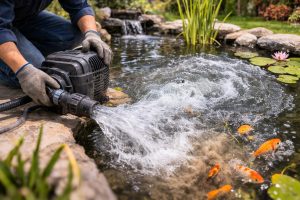
- Solids-Handling Capability: Pumps like the AquaForce series are designed to handle small debris without clogging. This makes them ideal for use as filter pumps placed directly in the pond, reducing maintenance.
Specialized Pumps for Every Need
Beyond basic pond circulation, the world of water pumping offers highly specialized solutions for different challenges.
It's important to recognize that a simple pond pump is not a one-size-fits-all solution for larger water management needs.
For more demanding tasks, such as those found in agriculture or remote home water supply, you need to look at more robust systems.
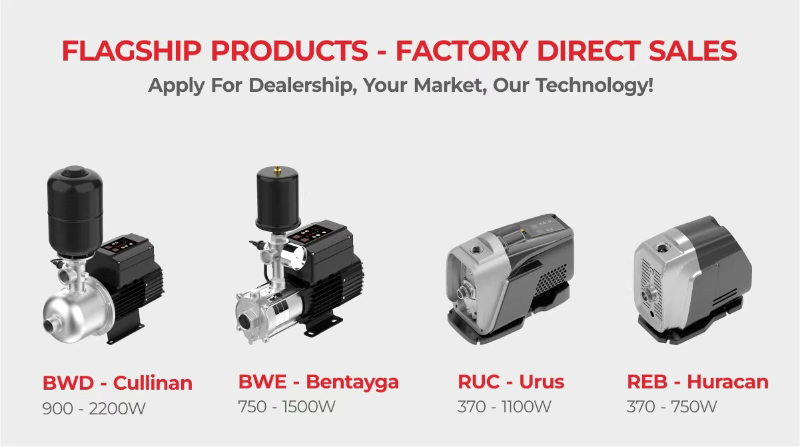
This is where the technology from the user's insights becomes highly relevant. These are not typically "pond pumps," but represent the next level of solar pumping technology:
-
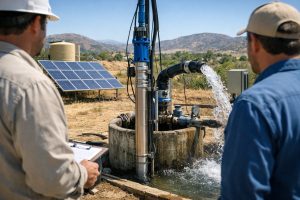
Solar Screw Pumps: These are perfect for deep wells where you need to lift water from a great depth (high head), but don't need a huge volume of water (low flow). Their design is highly resistant to sand, making them durable for domestic water supply or livestock watering in harsh conditions.
-
Solar Plastic Impeller Pumps: When you need a lot of water (high flow) for things like farm irrigation, these are the go-to. Their durable plastic impellers offer great performance and wear-resistance in sandy water, providing an excellent balance of power and price.
-
Solar Stainless Steel Impeller Pumps: For the ultimate in durability, especially in corrosive or acidic water, a pump with stainless steel components is essential. They offer high flow and are built to last in the toughest environments, making them ideal for high-end applications or challenging geographical locations.
These specialized solar pumps are powered by the same highly efficient BLDC motors, ensuring that even off-grid, large-scale water needs can be met sustainably and cost-effectively.
Conclusion
Solar pumps are a great, eco-friendly choice for small, decorative water features.
But for reliable, high-flow ponds, modern efficient electric pumps often provide better value and performance.
Frequently Asked Questions
Do solar pond pumps work in winter?
Yes, but their performance is significantly reduced. Shorter days and weaker sunlight mean they will run for a very limited time, if at all, and cannot be relied upon.
Do solar pond pumps work at night?
Only models with an integrated battery backup system can work at night. Basic solar pumps stop working entirely once the sun goes down and they lose their direct power source.
How high can a solar pump lift water?
Small pond models typically lift water less than two meters. More powerful, specialized solar well pumps, however, are designed to lift water from depths of over 200 meters.
Why is my solar fountain pump not working?
The most common reasons are insufficient sunlight, a dirty or blocked solar panel, or a clogged pump impeller. Check these three things first to troubleshoot the issue.
Can a solar pump run a waterfall?
Generally, no. Most solar pond pumps lack the consistent power and high flow rate (head pressure) required to run a waterfall effectively. A mains-powered pump is better suited for this task.
How long do solar pond pumps last?
The lifespan varies greatly. A cheap model might last one or two seasons. A high-quality pump with a BLDC motor and durable materials can last for many years with proper maintenance.
Do solar aerators work for ponds?
Yes, solar aerators are an excellent application of the technology. They are most effective during the sunniest, hottest part of the day, which is exactly when pond water needs oxygen the most.
How do I choose a solar pump for my pond?
First, calculate your pond's volume. Choose a pump with a flow rate that can circulate the entire volume in about one to two hours, and ensure it has a panel and/or battery to match your climate.