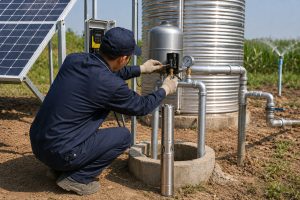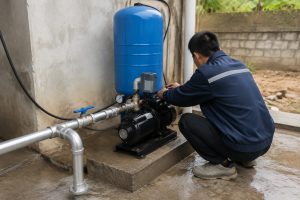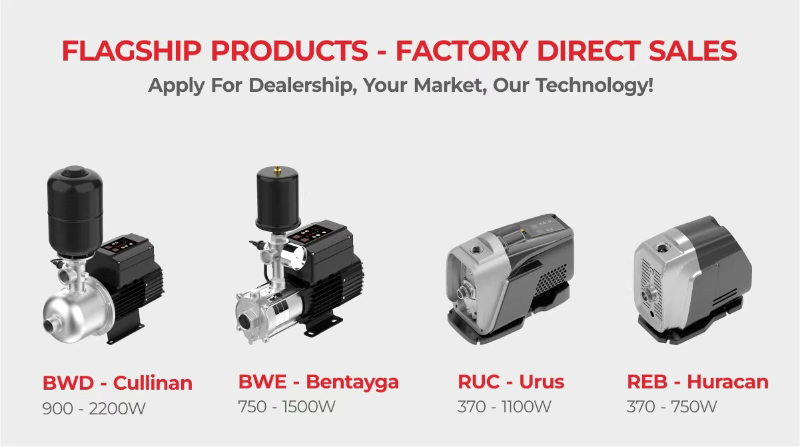
Struggling with inconsistent water supply for your farm or community?
Choosing the wrong solar pump leads to high costs and system failures, jeopardizing your operations.
This guide will help you find the perfect حل.
Globally, brands like Grundfos and Lorentz are premium choices for reliability and advanced technology.
For projects prioritizing cost-effectiveness and durability, leading Chinese manufacturers offer excellent, high-performance alternatives.
The best company ultimately depends on your specific application, water conditions, and budget.
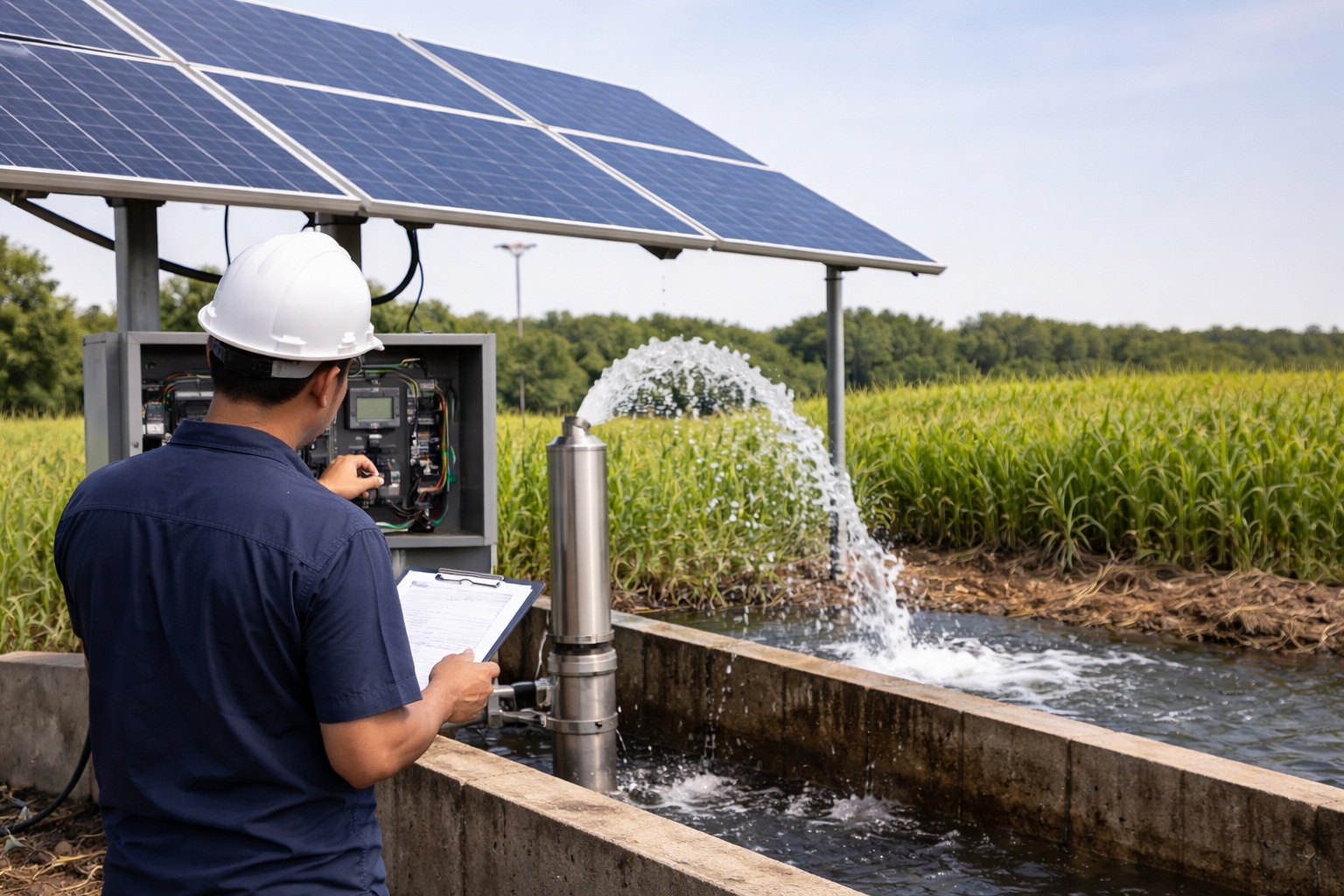
With a growing global demand for sustainable water solutions, solar pumps are now essential.
They are crucial in regions like Africa, the Americas, and Asia.
These systems operate independently of the electrical grid, offering an environmentally friendly and cost-effective water source.
This article will guide you through the leading brands, core technologies, and key factors to consider.
We will ensure you select the best solar pump company for your specific needs, whether for a small farm, a large ranch, or a community water project.
Keep reading to discover which brands and technologies deliver the most value and reliability.
Which Company is Best for Solar Water Pumps?
Choosing a solar water pump feels overwhelming with so many options.
I’ve seen farms struggle with poor choices.
Which brand delivers the best performance for your needs?
Grundfos and Lorentz are top picks globally for their unmatched reliability and advanced engineering.
RPS Solar Pumps and Franklin Electric are strong contenders in the U.S. market.
Meanwhile, for budget-friendly yet durable options, leading Chinese manufacturers provide exceptional value for agricultural and NGO projects worldwide.
Each brand has carved out a niche by excelling in specific areas.
The key to a successful project is matching a brand's strengths to your unique requirements.
This involves looking beyond the brand name and examining the underlying technology, service availability, and suitability for your environment.
From deep borewells in Africa to sprawling ranches in America, the right pump can transform your water management strategy.
A high-quality pump is not just a piece of equipment; it is a long-term investment in sustainability and productivity.
Let's break down why these brands stand out and how to choose the right one for your needs.
Breaking Down the Leaders
Top-tier brands have built their reputations over decades.
They invest heavily in research and development, which translates to superior performance and longevity.
For example, some submersible pumps from leading European brands are known to last over 15 years with minimal maintenance, a critical factor for remote installations.
Their systems often feature advanced controllers that optimize water output based on available sunlight.
These brands also maintain extensive global service networks, ensuring that support is available even in remote regions.
This level of reliability is why they are often the first choice for critical applications like community water supply and large-scale commercial agriculture.
Understanding Your Project's Needs
The "best" brand is always relative to the project.
A small-scale farmer may not need the same high-spec pump as a large agricultural corporation.
Here's a simple framework to guide your decision:
-
Project Scale: For large-scale irrigation or deep wells (over 100 meters), premium brands with proven high-head capabilities are often worth the investment.
Their efficiency can lead to long-term savings on the number of solar panels required. -
Budget: For smaller farms, residential use, or NGO projects, cost-effective brands from Asia offer an unbeatable combination of price and performance.
Their pumps provide reliable service for 8-10 years, making clean water accessible to more people. -
Location and Service: Consider the availability of technical support and spare parts in your region.
A pump with a strong local distributor network ensures quick assistance if issues arise.
| Brand Tier | Strengths | Best For |
|---|---|---|
| Premium Global | Unmatched reliability, advanced tech, | Deep wells, large-scale commercial projects |
| U.S. Focused | User-friendly kits, strong domestic | U.S. farms, ranches, off-grid homes |
| Cost-Effective | Excellent price-performance ratio, | Small farms, NGOs, budget-conscious projects |
Ultimately, a well-informed choice balances initial cost with long-term reliability and operational efficiency.
By analyzing your specific water requirements, well depth, and budget, you can confidently select a company that will deliver a dependable water solution for years to come.
What is the Most Reliable Solar Pump?
Pump failure in a remote location can be disastrous, leaving farms without water and communities stranded.
So, which pumps can you truly count on to perform day after day?
The most reliable pumps globally are widely considered to be the Grundfos SQFlex and Lorentz PS series, famous for lifespans exceeding 15 years.
For projects requiring solid performance on a tighter budget, leading Chinese brands offer durable pumps with proven 8-10 year service lives.
Reliability is not just about a long lifespan.
It is a combination of robust construction, efficient motor technology, and intelligent system protection.
A truly reliable system anticipates and prevents common failures like dry running, overheating, and voltage fluctuations.
The core of this reliability often lies in the motor.
High-efficiency brushless DC (BLDC) motors have become the industry standard for top-tier pumps.
They offer superior performance and durability compared to older motor types.
Let's explore the key components that define a reliable solar pump.
The Heart of Reliability: The BLDC Motor
The engine driving modern solar pumps is the Brushless DC (BLDC) permanent magnet motor.
This technology is a game-changer for off-grid water pumping.
Unlike traditional motors, BLDC motors have no brushes to wear out, which eliminates a common point of failure and makes them virtually maintenance-free.
Their efficiency ratings often exceed 90%, a significant improvement over AC or brushed DC motors.
This high efficiency is critical for solar applications.
It means the pump can do more work with less power.
As a result, you can achieve your desired water flow with a smaller, less expensive solar panel array.
Top-tier BLDC motors use powerful neodymium iron boron magnets in their rotors.
This design delivers high torque even at low speeds, allowing the pump to start early in the morning and run late into the evening.
This extended operating window maximizes daily water output.
The compact design of these motors—often up to 47% smaller and 39% lighter than conventional motors—also simplifies transportation and installation, a key benefit for remote projects.
Intelligent Protection with MPPT Controllers
A reliable pump is supported by a smart controller.
Modern solar pump controllers use Maximum Power Point Tracking (MPPT) technology.
This feature constantly adjusts the pump's operating parameters to extract the maximum possible power from the solar panels, regardless of weather conditions.
An advanced MPPT controller can boost water output by up to 30% compared to a simple controller.
Beyond efficiency, these controllers provide vital protection for the pump motor.
They monitor for:
- Dry Running: The controller shuts off the pump if the water source runs dry, preventing damage.
- Overheating: Sensors monitor motor temperature and stop operation if it exceeds safe limits.
- Voltage Fluctuations: It protects the motor from under-voltage or over-voltage from the solar array.
- Short Circuits: The system is protected against electrical faults.
Hybrid Power Solutions for 24/7 Reliability
For applications that require water 24/7, reliability means having a backup power source.
Advanced AC/DC hybrid controllers offer the perfect solution.
These smart controllers automatically prioritize solar power when the sun is shining.
If solar energy is insufficient on a cloudy day or at night, the controller seamlessly blends in or switches over to an AC power source, like the grid or a generator.
This ensures an uninterrupted water supply without manual intervention.
The system is designed to use every available watt of solar power before drawing from the AC source, maximizing energy savings while guaranteeing water on demand.
This hybrid functionality makes solar pumps a truly reliable solution for critical domestic and agricultural water needs.
Which Solar Water Pump is Best for Agriculture?
Farming demands specific pump types based on the water source and irrigation needs.
I have seen farmers lose entire crops due to choosing the wrong pump.
Which system is best for your agricultural application?
For deep borewells, submersible pumps from brands like Grundfos and Shakti are excellent choices.
For surface water sources like rivers, ponds, or canals, surface pumps from RPS and Franklin Electric are ideal.
The key is matching the pump type to your farm's unique hydrology.
The choice between a submersible and a surface pump is the first and most important decision in designing an agricultural water system.
However, the specific technology within each pump type is equally critical.
Modern solar pumps for agriculture are engineered for high efficiency and durability, but they are tailored for different conditions.
Some are designed to lift small amounts of water from extreme depths, while others are built to move large volumes of water across vast fields.
Let's dive deeper into the specific pump technologies that are transforming agriculture and learn how to select the right one for your farm.
Matching Pump Technology to Your Water Source
Choosing the right pump technology is essential for efficiency and longevity.
There are three primary types of solar deep well pumps, each powered by a high-efficiency BLDC motor and suited for different agricultural scenarios.
1. Solar Screw Pump: For Deep Wells and High Head
This pump uses a stainless steel screw rotating inside a rubber stator.
This mechanism pushes water upwards through compression, making it ideal for applications requiring high lift (head) but lower flow rates.
- Best For: Deep borewells, domestic water supply for farmhouses, and livestock drinking water.
- Advantages: Exceptionally good at handling sandy or silty water without damage.
It can lift water from depths exceeding 200 meters.
Its robustness makes it perfect for challenging water conditions found in parts of Africa and Latin America. - Limitations: The flow rate is limited, making it less suitable for large-scale flood irrigation.
2. Solar Plastic Impeller Pump: For High Flow and General Use
This is a multi-stage centrifugal pump equipped with durable, wear-resistant plastic impellers.
It is designed to deliver high flow rates at a medium head, making it a versatile workhorse for many farms.
- Best For: Drip or sprinkler irrigation, filling reservoirs, and general farm water supply from moderately deep wells.
- Advantages: Provides high water output for its power consumption.
It is lightweight, economical, and offers excellent resistance to fine sand.
This makes it a popular choice for farms and ranches across the Americas and Africa. - Limitations: The plastic components may not be suitable for highly corrosive water or extreme well depths.
3. Solar Stainless Steel Impeller Pump: For Durability and Corrosive Water
This premium pump features impellers and a pump body made entirely of SS304 or SS316 stainless steel.
It is engineered for maximum durability, especially in corrosive water environments.
- Best For: Water with high acidity or alkalinity, such as in the alkaline soil regions of Australia or coastal areas.
Also ideal for high-end ranches where long-term reliability is paramount. - Advantages: Unmatched corrosion resistance ensures a very long service life.
It maintains high efficiency and reliability even in harsh chemical conditions. - Limitations: This pump comes at a higher initial cost and is heavier than plastic impeller models, targeting a more specialized, high-end market.
| Pump Type | Key Feature | Optimal Application |
|---|---|---|
| Solar Screw Pump | Low Flow, High Head | Deep wells, livestock water, high sand content |
| Plastic Impeller Pump | High Flow, Wear-Resistant | Farm irrigation, pasture water supply, home gardens |
| Stainless Steel Impeller | Premium, Corrosion-Resistant | Acidic/alkaline water, high-end ranches, coastal areas |
By understanding these three core technologies, distributors can build a flexible product portfolio.
End-users can select a pump that is perfectly matched to their water source and agricultural needs, ensuring an energy-saving, durable, and cost-effective solution.
What Are the Top Chinese Solar Water Pump Manufacturers?
Chinese brands offer affordable, high-quality pumps for projects worldwide.
I have personally worked with NGOs who rely on these pumps for critical rural water supply projects.
Which Chinese brands should you consider?
Leading Chinese manufacturers offer a comprehensive portfolio of cost-effective and durable solar pumps.
They specialize in DC brushless submersible pumps, AC/DC hybrid pumps, and intelligent controllers, making them a preferred choice for distributors, importers, and large-scale projects in over 150 countries.
The rise of Chinese manufacturers has democratized access to solar water pumping technology.
They have combined advanced engineering with efficient production to create products that deliver exceptional value.
For B2B buyers like importers and distributors, Chinese brands represent a strategic opportunity.
They offer not just competitive pricing but also robust quality control, extensive technical patent portfolios, and the flexibility to meet diverse market needs.
These companies operate on a massive scale, with some facilities producing over 300,000 units annually.
Let's examine the technical capabilities and quality assurances that make them a dominant force in the global market.
The Engine of Innovation: R&D and Technical Patents
Leading Chinese manufacturers are not just assemblers; they are technology companies.
Many invest heavily in their own research and development, with R&D departments staffed by dozens of engineers.
This focus on innovation has led to the development of over 100 technical patents in key areas like intelligent permanent magnet variable frequency pump technology.
This expertise allows them to continuously improve the efficiency, durability, and intelligence of their products.
For an importer, partnering with a manufacturer that holds its own patents is a significant advantage.
It ensures you are sourcing a unique and technologically advanced product, not a generic copy.
It also signals a company's long-term commitment to the industry and its ability to provide ongoing technical support.
A Commitment to Quality: The Manufacturing Process
A key concern for any B2B buyer is product quality and consistency.
Top-tier Chinese manufacturers address this through a structured and rigorous quality control system.
This system typically involves multiple stages of inspection:
- IQC (Incoming Quality Control): All raw materials, from stainless steel to electronic components, are tested before they enter the production line.
- PQC (Process Quality Control): Inspections are conducted at various points along the 10+ automated assembly lines to catch any issues during manufacturing.
- LQC (Line Quality Control): Finished products are tested as they come off the line to ensure they meet performance specifications.
- OQA (Outgoing Quality Assurance): A final, comprehensive inspection is performed before the products are packaged and shipped.
Beyond standard inspections, products are subjected to extreme endurance testing to validate their durability.
This includes over 144 hours of continuous salt spray testing to verify corrosion resistance and more than 1,000 hours of UV resistance testing to ensure the pump's external components can withstand harsh sun exposure.
Compliance with international standards like CE (for Europe), IEC (global), and RoHS (for hazardous substances) is standard practice, ensuring the products are ready for global distribution.
For importers like Andrew from Australia, who prioritize quality but also seek price competitiveness, this combination of advanced technology and verified quality makes Chinese manufacturers an ideal sourcing partner.
It allows them to confidently build their own brand on a foundation of reliable, high-performance products.
Conclusion
Solar water pumps are revolutionizing agriculture and water access.
Leading brands and technologies offer reliable, efficient, and cost-effective solutions tailored to nearly any need.
Choose wisely based on your project's specific requirements.
Frequently Asked Questions
How long do solar water pumps last?
A quality solar water pump system can last for 15-20 years. The solar panels often have a 25-year warranty, while the pump and motor typically last 10-15 years before requiring service.
Can solar pumps work on cloudy days?
Yes, solar pumps can operate on cloudy days, but at a reduced flow rate. High-efficiency systems and pumps with BLDC motors can start pumping with minimal sunlight, maximizing water output.
What size solar pump do I need?
The pump size depends on your daily water requirement, the depth of your well (total dynamic head), and your location's solar irradiance. A pump sizing specialist can help you calculate the exact size.
What is the difference between a DC and AC solar pump?
DC solar pumps run directly from the solar panels' DC electricity and are generally more efficient. AC pumps require an inverter to convert DC to AC power, which results in some energy loss.
How deep can a solar pump pull water from?
Solar submersible pumps are designed for deep wells. Screw-type pumps can lift water from depths exceeding 200 meters (over 650 feet), making them suitable for most deep borewell applications.
Can a solar pump fill a large tank?
Absolutely. Many solar pump systems are designed to pump water into a storage tank throughout the day. This provides a reliable water supply for use at night or on cloudy days without needing batteries.
How much maintenance do solar pumps require?
Solar pumps with brushless motors are virtually maintenance-free. The main task is periodically cleaning the solar panels to ensure they are free of dust and debris for maximum power generation.
Are solar water pumps worth the investment?
Yes, for most off-grid applications, they are a great investment. They eliminate ongoing electricity bills or fuel costs, have low maintenance needs, and provide a reliable long-term water source with a positive environmental impact.