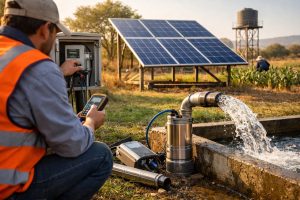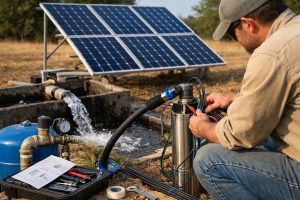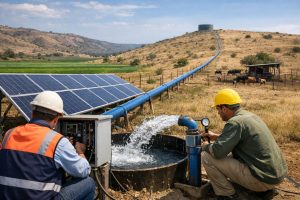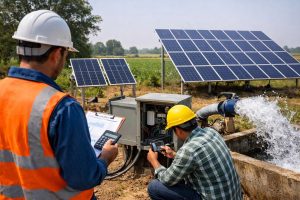
Struggling with unreliable water access in off-grid areas?
The cost and maintenance of traditional pumps can be a constant worry, impacting your home, farm, or business operations.
A quality solar water pump can last 3 to 10 years, while its solar panels often perform efficiently for over 25 years. The system's lifespan heavily depends on the pump type, build quality, water conditions, and how well it is maintained.
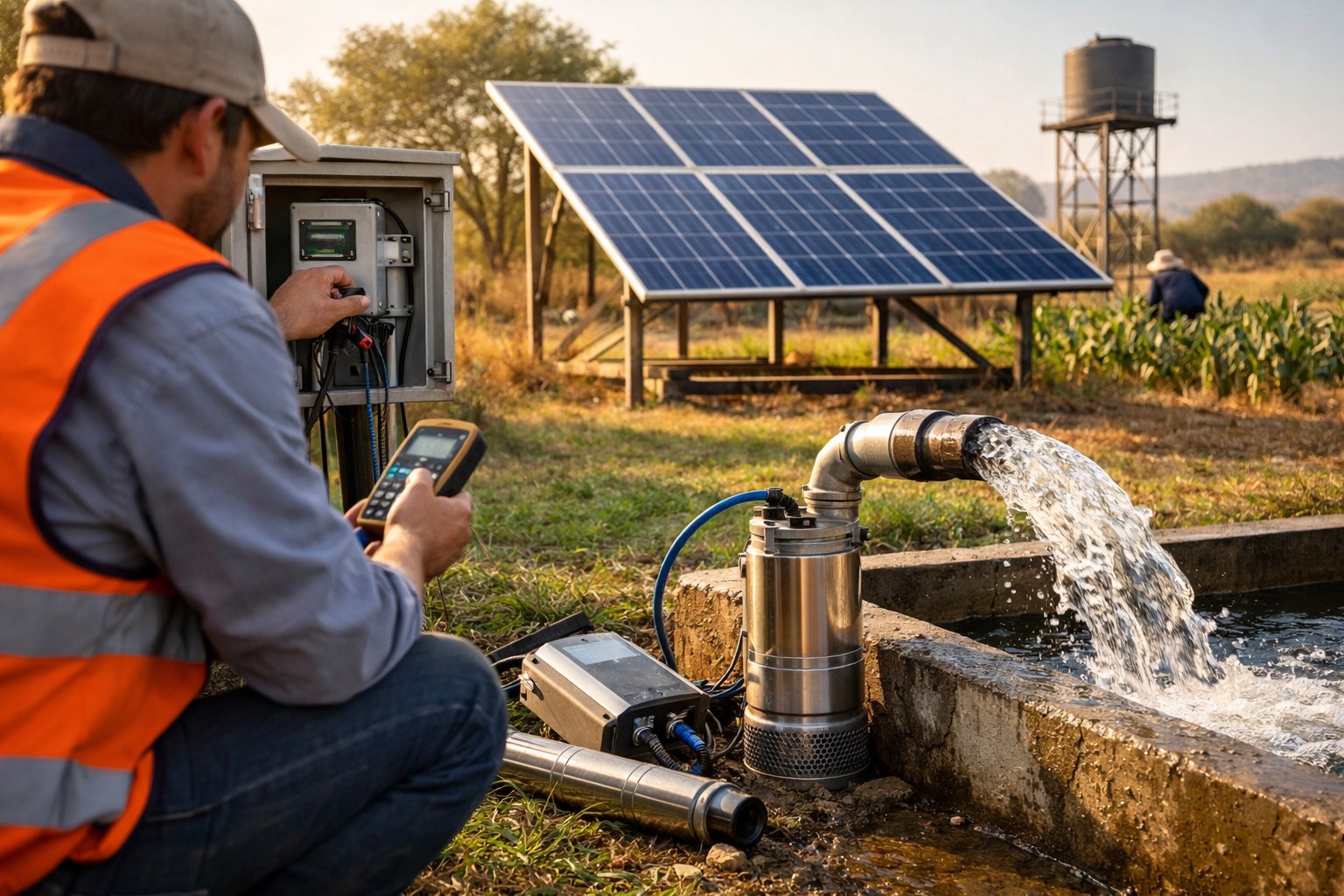
Investing in a solar water pump is a big decision.
You need a solution that is not only eco-friendly and cost-effective but also durable and reliable for years to come.
Understanding the lifespan of each component and the factors that influence it is crucial for making a smart investment.
This guide will break down everything you need to know about the longevity of solar water pumps, helping you choose a system that delivers a dependable water supply for the long term.
Average Life Expectancy of a Solar Water Pump
Unsure how long your investment in a solar pump will actually pay off?
The upfront cost can seem high without a clear understanding of its durability and return on investment.
Typically, the pump motor itself lasts 3 to 10 years, while the solar panels have a much longer lifespan of 20 to 25 years. Peripheral components like batteries, if used, may need replacement every 2 to 4 years.
The lifespan of a solar water pump system is not determined by a single component.
It's a combination of several key parts, each with its own expected service life.
Knowing these details helps you anticipate future maintenance needs and understand the true long-term value of your system.
High-quality systems are designed with longevity in mind, often outlasting initial expectations when properly cared for.
Breaking Down Component Lifespans
A complete solar pumping system is more than just the pump.
It includes panels, a controller, and sometimes batteries.
Each part has a different role and a different lifespan.
- The Pump Motor: This is the heart of the system and experiences the most mechanical wear. A standard consumer-grade pump motor might last 3-5 years, but robust, commercial-grade pumps often last 10 years or more. Brushless motors, for instance, significantly reduce friction and extend the operational life.
- The Solar Panels: Solar panels are incredibly durable. They have no moving parts and are built to withstand harsh weather. Manufacturers typically guarantee their performance for 20-25 years, ensuring they will still produce at least 80% of their original power output by the end of that period.
- The Controller: The MPPT (Maximum Power Point Tracking) controller is the brain. A well-built controller, protected from extreme heat and moisture, can last for over 10 years.
- Batteries (if applicable): If your system includes a battery for nighttime or cloudy-day operation, it will have the shortest lifespan. Depending on the type and usage cycle, batteries typically need replacement every 2 to 4 years.
The following table provides a clearer view of these expected lifespans.
| Component | Typical Lifespan | Key Influencing Factors |
|---|---|---|
| Pump Motor | 3 - 10+ Years | Build quality, water type, operating hours |
| Solar Panels | 20 - 25 Years | Weather exposure, physical damage |
| Controller | 10+ Years | Protection from elements, electrical surges |
| Batteries | 2 - 4 Years | Depth of discharge, temperature, cycles |
This breakdown shows that while the pump motor is a primary consideration, the solar panels provide decades of free energy, making the system a powerful long-term asset.
What Affects the Lifespan of Solar Water Pumps?
Worried that your new solar pump won't last in your tough environment?
Local conditions like sandy water or extreme heat can cause premature failure and costly replacements.
The lifespan is primarily affected by build quality, water quality (sand and corrosiveness), maintenance routine, and climate. Properly selecting a pump for your specific conditions is the most critical factor for ensuring a long service life.
Not all solar pumps are created equal, and not every pump is suitable for every well.
A pump that thrives in clear, domestic well water might fail quickly in a sandy agricultural well.
Understanding the key stressors on a pump allows you to either select a more robust model or implement a maintenance schedule that mitigates these risks.
By proactively addressing these factors, you can dramatically extend the operational life of your entire system and protect your investment.
Key Factors Determining Durability
Several variables play a direct role in how long your solar pump will function effectively.
Being aware of them is the first step toward maximizing its lifespan.
1. Build Quality and Pump Type
The materials and design of the pump are foundational to its longevity.
- Screw Pumps: These use a stainless steel screw and rubber stator. They are exceptionally durable in sandy water but may have limited flow rates. The rubber stator is a wear part that may need replacing over time.
- Plastic Impeller Pumps: These are economical and lightweight, offering great resistance to fine sand. However, they are less suited for highly corrosive water or extreme well depths.
- Stainless Steel Impeller Pumps: Built with SS304 stainless steel, these are the premium choice for durability, especially in acidic or alkaline water. They offer the highest resistance to corrosion and a very long service life, though at a higher initial cost.
2. Water Quality
The water itself is a major factor.
- Abrasives: Sand, silt, or grit in the water acts like sandpaper on the pump's internal components, such as impellers or screws. This abrasive action is a leading cause of premature failure.
- Corrosion: Water with high or low pH (acidic or alkaline) can corrode metal components. This is why stainless steel pumps are essential in certain regions.
3. Operating Conditions
How you use the pump matters significantly.
- Running Dry: Operating a submersible pump without being fully submerged is one of the fastest ways to destroy it. Water is used to cool the motor, and running it dry causes rapid overheating and irreversible damage.
- Continuous vs. Intermittent Use: A pump running 24/7 will naturally experience more wear than one that operates for 6-8 hours daily. Sizing the system correctly to fill a storage tank allows the pump to run intermittently, extending its life.
4. Climate and Installation
The external environment also plays a role.
- Extreme Temperatures: Freezing temperatures can cause water inside the pump to expand and crack the housing if not properly winterized. Extreme heat can degrade seals and electronics over time.
- Proper Installation: Ensuring the pump is correctly installed at the right depth, with secure wiring and plumbing, prevents unnecessary strain and potential damage.
Understanding Different Types of Solar Pumps
Confused about which solar pump is right for your specific needs?
Choosing the wrong type can lead to poor performance, inefficiency, and a shorter lifespan for your system.
The three main types are screw pumps for high head, plastic impeller pumps for high flow, and stainless steel impeller pumps for corrosion resistance. Each is designed for different applications, from deep wells to corrosive water environments.
The true power of a solar pumping solution lies in selecting the perfect tool for the job.
There is no "one-size-fits-all" answer.
A small farm needing high water volume for irrigation has vastly different requirements than a household drawing water from a very deep well.
This is why a diverse product portfolio is critical for distributors and end-users alike.
By understanding the unique strengths of each pump type, you can build a system that is not just functional, but highly efficient, durable, and perfectly matched to your water needs.
Matching the Pump to the Application
Selecting the correct solar deep well pump is the most crucial step in designing a reliable water system.
The choice depends on the well's depth (head), the required water volume (flow), and the water's quality.
1. Solar Screw Pump: The Deep Well Specialist
This pump excels in low-flow, high-head situations.
- How it Works: It uses a helical stainless steel screw rotating within a rubber stator. This mechanism pushes water upwards through compression, allowing it to lift water from extreme depths.
- Best For: Domestic water supply, livestock watering from deep wells, and small-scale irrigation where depth is more important than volume. It is highly effective in regions like Africa and Latin America with scarce grid power and deep water tables.
- Key Advantage: Its design makes it highly resistant to sand and silt, as it can pass small solids without clogging or significant wear.
2. Solar Plastic Impeller Pump: The High-Volume Workhorse
This multi-stage centrifugal pump is designed for high flow rates at medium head.
- How it Works: It uses a series of durable plastic impellers that spin to push water upwards. More stages (impellers) mean it can pump from greater depths.
- Best For: Farm irrigation, filling large livestock troughs, and garden water systems where a high volume of water is needed. It's a popular, economical choice across the Americas and Africa.
- Key Advantage: It offers excellent performance for its cost and is lightweight, making installation easier. Its wear-resistant plastic is ideal for water with fine sand.
3. Solar Stainless Steel Impeller Pump: The Premium Durability Option
This pump is the top-tier solution for longevity and challenging water conditions.
- How it Works: It functions similarly to the plastic impeller pump but uses high-grade SS304 stainless steel for the impellers, pump body, and other components.
- Best For: Environments with corrosive water (acidic or alkaline), such as in parts of Australia or industrial applications. It is also the preferred choice for high-end homes and ranches demanding maximum reliability.
- Key Advantage: Its superior corrosion resistance ensures an extremely long service life and high reliability even in the harshest water.
| Pump Type | Best For | Key Advantage | Main Limitation |
|---|---|---|---|
| Screw Pump | Low Flow, High Head | Excellent Sand Resistance | Limited Flow Rate |
| Plastic Impeller | High Flow, Medium Head | Economical & Wear-Resistant | Less Durable in Corrosive Water |
| SS Impeller | High Flow, Medium-High Head | Maximum Corrosion Resistance | Higher Initial Cost & Weight |
The Core Technology: Why the Motor Matters
Wondering what truly drives the performance and efficiency of a solar pump?
Many focus only on the pump itself, overlooking the engine that powers the entire system.
The core of any modern solar pump is its high-efficiency Brushless DC (BLDC) permanent magnet motor. This technology is the key to maximizing solar energy use, reducing costs, and ensuring a long, maintenance-free service life.
The motor is the heart of your solar water pump system.
Its efficiency directly determines how many solar panels you need, which is often the most expensive part of the setup.
A more efficient motor can achieve the same water output with up to 47% less solar panel wattage compared to older motor technologies.
Understanding the motor's role is essential for anyone looking to build a truly cost-effective and powerful solar pumping solution.
It's the hidden advantage that defines a top-tier system from an average one.
The Power of the BLDC Permanent Magnet Motor
All three pump types—screw, plastic impeller, and stainless steel impeller—are powered by the same advanced motor technology.
This motor is what makes the entire system so competitive and effective.
Technical Advantages of BLDC Motors
- Superior Efficiency: BLDC motors consistently achieve efficiencies exceeding 90%. This means more of the sun's energy is converted into water pumping power, and less is wasted as heat.
- Powerful & Compact: They utilize powerful permanent magnets, such as 40SH neodymium iron boron, in their rotors. This delivers high torque for quick startups, even in low light. Their design is also significantly smaller (up to 47%) and lighter (up to 39%) than traditional motors.
- Long, Maintenance-Free Life: The "brushless" design means there are no brushes to wear out and replace. This eliminates a common point of failure and the need for regular maintenance, which is crucial for pumps installed deep in a well.
Market and Customer Value
The benefits of a superior motor translate directly into savings and convenience for the end-user.
- Reduced System Cost: Higher motor efficiency means fewer solar panels are required to achieve the desired water flow. This can significantly reduce the total initial investment in the system.
- Simplified Installation: The motor's lighter weight and smaller size make the pump easier to handle and install, which can lower labor costs.
- Reliable Performance: High torque ensures the pump starts reliably every sunny morning and performs well even on partly cloudy days.
The BLDC motor, paired with an intelligent MPPT controller that optimizes power from the panels, forms a highly efficient core.
This core technology is the true driver of the system's overall performance, reliability, and long-term value.
How to Extend the Life of a Solar Water Pump
Want to ensure your solar pump operates reliably for as long as possible?
Simple neglect can lead to premature failure, turning a great investment into a costly problem.
You can significantly prolong your pump's life with simple, regular maintenance. This includes periodically cleaning the filter and solar panels, ensuring the pump is always submerged, and storing it properly during freezing winters.
A solar water pump is a low-maintenance system, but it is not a no-maintenance system.
Just a few easy habits can be the difference between a pump that lasts for three years and one that serves you well for over a decade.
These maintenance steps are not complicated or time-consuming.
They are straightforward practices that protect the motor from overheating, prevent clogs that cause strain, and ensure the system receives maximum solar energy.
By adopting these habits, you are actively safeguarding your water supply and a valuable asset.
Simple Maintenance for Maximum Longevity
Protecting your investment is easy.
Follow these practical steps to keep your solar pump running at peak performance year after year.
1. Keep it Clean
- Clean the Pump Inlet/Filter: Debris like leaves, algae, or sediment can clog the pump's intake. This strains the motor and reduces water flow. Check and clean the filter every few weeks, or more often if your water source has a lot of debris.
- Clean the Solar Panels: Dust, bird droppings, or hard water stains on the solar panels will block sunlight and reduce power generation by up to 30%. Wipe the panels clean with a soft cloth and water once a month to ensure they are producing maximum electricity.
2. Ensure Proper Operation
- Never Run it Dry: Submersible pumps rely on the surrounding water to cool the motor. Operating the pump out of water, even for a short time, will cause it to overheat and fail. Make sure your well has an adequate water level.
- Use a Storage Tank: Pumping water to a storage tank allows the pump to run for a few hours each day during peak sun and then turn off. This intermittent use is much less stressful on the motor than running continuously from sunrise to sunset.
3. Protect it from the Elements
- Winter Storage: If you live in a climate with freezing temperatures, you must winterize your system. Pull the pump out of the water source, drain it completely, and store it in a dry, frost-free location. This prevents ice from forming inside and cracking the pump housing.
- Secure the Controller: Ensure the pump controller is mounted in a location where it is protected from direct rain, extreme sun, and flooding. This will protect the sensitive electronics and extend their life.
By following this simple checklist, you can prevent the most common causes of early pump failure and enjoy a reliable water supply for years.
Ensuring Water on Cloudy Days and at Night
Are you concerned that a few cloudy days will leave you without water?
Relying solely on direct sunlight can be a problem when you need water 24/7 for your home or livestock.
Advanced solar pump systems solve this with hybrid AC/DC controllers. These controllers automatically switch to grid or generator power when sunlight is insufficient, ensuring an uninterrupted water supply day and night, rain or shine.
The myth that solar pumps stop working the moment a cloud appears is outdated.
Modern systems are designed for resilience and continuous operation.
While water storage is an excellent strategy for bridging a few overcast days, it doesn't solve the need for pumping at night or during extended periods of bad weather.
This is where hybrid technology becomes a game-changer.
An AC/DC hybrid controller provides the ultimate peace of mind, blending the cost savings of solar with the constant reliability of traditional power, all in one seamless, automated system.
The Hybrid Solution for 24/7 Water Access
For applications where a constant water supply is non-negotiable, a hybrid system is the ideal solution.
It offers the best of both worlds.
How AC/DC Hybrid Controllers Work
A hybrid controller is designed with inputs for both DC power from solar panels and AC power from the grid or a generator.
- Solar Priority: The controller's default mode is to use solar power. It automatically identifies when the photovoltaic (PV) panels are producing enough energy and uses this free power to run the pump.
- Energy Blending: When solar power is reduced due to clouds, the controller's intelligent "hybrid function" can blend AC power with the available solar energy. This maximizes the use of free solar power while supplementing just enough AC power to maintain pump operation.
- Automatic Switchover: When there is no solar input at all (e.g., at night or during heavy storms), the controller seamlessly and automatically switches over to the AC power source.
This intelligent management ensures the pump runs whenever needed, without any manual intervention.
You get worry-free water access 24 hours a day.
Primary Strategies for Uninterrupted Water
There are three main ways to guarantee water flow, and they can be used alone or in combination.
- Water Storage (The Basic Method): A large tank stores 3-5 days' worth of water. The pump works hard on sunny days to fill the tank, and you draw from this reserve during cloudy periods. It's simple and effective for many applications.
- Battery Backup (Intermediate Method): Batteries store excess solar energy generated on sunny days. This stored energy then powers the pump on cloudy days or at night. This works well but requires replacing batteries every few years.
- AC/DC Hybrid System (The Advanced Method): This provides ultimate reliability without the maintenance and limited lifespan of batteries. It's the preferred solution for critical applications like household water supply or large-scale livestock operations.
By leveraging a hybrid controller, users are no longer limited by the sun's availability, transforming a solar pump into a true 24/7 water solution.
Conclusion
A solar water pump's lifespan depends on smart selection and proper care.
Choosing a quality pump matched to your water needs and maintaining it well ensures a reliable, long-term water solution.
FAQ
What is the life of a solar water pump motor?
The motor in a quality solar water pump typically lasts between 3 to 10 years, with brushless DC motors offering the longest, most maintenance-free service life.
Do solar water pumps work on cloudy days?
Yes, they work on cloudy days but at a reduced flow rate. Stored water in a tank or a hybrid AC/DC controller ensures a consistent supply.
How long do solar panels for a water pump last?
Solar panels for water pumps are very durable, with a typical performance warranty of 20-25 years. They will continue to produce power long after that.
Which motor is used in a solar water pump?
Modern solar water pumps use highly efficient Brushless DC (BLDC) permanent magnet motors. These motors maximize power conversion and offer a long, maintenance-free life.
Can solar pumps run at night?
Solar pumps can run at night if the system includes a battery backup to store solar energy or if it is a hybrid system connected to AC power.
Are solar water pumps hard to maintain?
No, they are very low-maintenance. Regular tasks simply include cleaning the pump's filter and wiping down the solar panels to ensure optimal performance and longevity.
What is the main disadvantage of a solar water pump?
The main disadvantage is the high initial investment cost. However, this is offset by zero energy costs and minimal maintenance over the system's long lifespan.
Does a solar pump need a battery?
A battery is not required for a solar pump to work during the day. However, a battery or a hybrid AC/DC system is needed for operation at night or during very cloudy weather.