Struggling with high electricity bills from your pool pump?
You want a crystal-clear pool, but the constant energy consumption is a major concern, making you wonder if there's a better way.
You can technically run a pool pump 24/7, but it's rarely necessary or cost-effective.
Most residential pools only need 8-12 hours of filtration daily.
A modern, efficient pump, especially a solar hybrid model, can achieve superior cleaning with optimized schedules, saving significant money and reducing equipment wear.
Running a pump nonstop might seem like the best way to keep your pool pristine.
But this approach often leads to wasted energy and unnecessary strain on your equipment.
The real key to a healthy pool is not just about how long the pump runs, but how efficiently it works during that time.
Understanding the factors that influence run time, the types of pumps available, and smart scheduling can lead to the same sparkling water with much lower operational costs.
We'll explore how to find that perfect balance.
Factors to Consider for Pool Pump Run Time
Worried that your pump schedule isn't right for your pool?
You might be running it too long and wasting money, or too short and leaving your water murky.
The ideal run time depends on your pool's size, the pump's turnover rate, and its energy efficiency.
For example, a 30,000-gallon pool requires a pump to move 3,750 gallons per hour for an 8-hour turnover, directly impacting your schedule and costs.
The goal is to circulate the entire volume of your pool's water through the filter at least once a day.
This process is called "turnover."
However, achieving this doesn't mean you need to run the pump at full blast for 24 hours.
Several interconnected factors determine the most efficient schedule for your specific setup.
By evaluating these elements, you can create a customized plan that ensures a clean pool without the excessive cost.
Let's break down the most critical components you need to consider.
Pool Size and Turnover Rate
The size of your pool is the first piece of the puzzle.
Larger pools naturally contain more water and require more time to filter completely.
The "turnover rate" is the industry term for the time it takes to cycle all of your pool's water through the filtration system.
A standard residential pool is typically recommended to have at least one full turnover per day.
To calculate this, you need two numbers: your pool's volume in gallons and your pump's flow rate in gallons per minute (GPM) or gallons per hour (GPH).
The formula is straightforward:
Pool Volume (Gallons) / Pump Flow Rate (GPH) = Hours for One Turnover
For instance, a 20,000-gallon pool with a pump that has a flow rate of 40 GPM (or 2,400 GPH) would take approximately 8.3 hours for a complete turnover.
20,000 Gallons / 2,400 GPH = 8.33 Hours
Knowing this baseline helps you establish the minimum run time needed each day.
Running the pump for less than this duration means some water remains unfiltered, allowing debris and contaminants to build up.
Energy Efficiency and Cost Implications
A pump's energy efficiency directly translates to your monthly electricity bill.
Older, single-speed pumps are notorious energy hogs because they run at one constant, high speed, regardless of the task.
They consume the same massive amount of power whether they're just circulating water or running a cleaner.
In contrast, modern pumps, particularly those with advanced motors, offer dramatic improvements.
Variable-speed pumps, for example, can adjust their speed based on the pool's needs, using significantly less energy.
For basic filtration, they can run at a very low, energy-sipping speed for longer periods.
This approach can improve filtration quality while reducing energy consumption by up to 90% compared to a single-speed model.
An even more advanced solution is the integration of solar power.
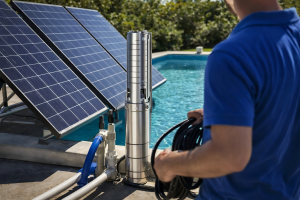
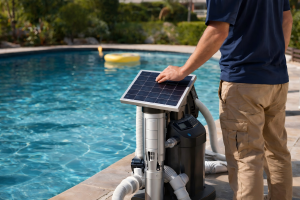
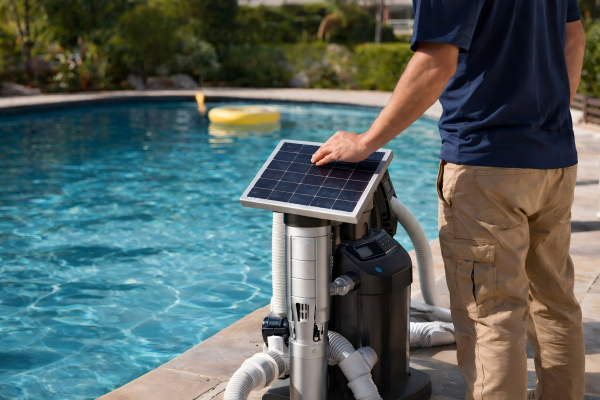
Solar-powered pool pumps, especially AC/DC hybrid models, represent the pinnacle of efficiency.
These systems prioritize using free energy from the sun during the day.
When solar energy is insufficient, such as on cloudy days or at night, they can automatically switch to or supplement with power from the grid.
This hybrid functionality ensures your pool stays clean 24/7 without being dependent on expensive grid electricity, effectively slashing operational costs to near zero during sunny conditions.
| Pump Type | Typical Energy Use (kWh/day for 8-hr run) | Estimated Annual Cost | Key Feature |
|---|---|---|---|
| Single-Speed | 12 - 16 kWh | $500 - $800+ | Runs at one high speed. |
| Variable-Speed | 2 - 4 kWh | $100 - $200 | Adjusts speed to the task. |
| AC/DC Solar Hybrid | 0 - 2 kWh (from grid) | $0 - $100 | Uses solar first, then grid power. |
Advantages of Running a Pool Pump 24/7
Tired of seeing algae start to form?
You might think constant filtration is the only way to guarantee a perfectly clean and safe swimming environment.
Running a pump 24/7 ensures consistent water circulation and improved water clarity.
This non-stop movement prevents stagnant spots where algae can grow and keeps chemicals evenly distributed, resulting in a healthier, more inviting pool with less manual intervention.
While running a pump around the clock is often unnecessary and costly with older technology, the underlying principle of constant water movement has clear benefits.
Stagnant water is a breeding ground for bacteria and algae.
When water is always in motion, it's constantly being pushed through the filter and exposed to sanitation chemicals.
This creates a more hostile environment for unwanted contaminants.
With modern, ultra-efficient pumps, achieving these benefits is more feasible than ever before.
Let's explore the two main advantages of continuous or near-continuous circulation.
Consistent Water Circulation
Consistent water circulation is the lifeblood of a healthy pool.
It ensures that every drop of water eventually passes through the filter, where dirt, debris, and microscopic particles are removed.
More importantly, it guarantees that sanitizers like chlorine are evenly distributed throughout the entire pool.
Without proper circulation, you can develop "dead spots."
These are areas, often in corners or behind ladders, where the water barely moves.
In these zones, chlorine levels can drop, and the water becomes a perfect environment for algae and bacteria to flourish.
Running a pump continuously, especially a variable-speed pump at a low RPM, eliminates these dead spots.
The gentle but constant flow keeps the water chemistry balanced everywhere, from the deep end to the shallow steps.
This consistent state reduces the likelihood of sudden algae blooms or cloudy water, meaning less "shocking" the pool and a more stable, swim-ready condition at all times.
It essentially automates a key part of pool maintenance.
Improved Water Clarity and Cleanliness
The direct result of consistent circulation is superior water clarity and cleanliness.
When water is always moving, smaller suspended particles that can make the water look dull or cloudy don't have a chance to settle.
They are kept in motion until they are inevitably drawn into the filter and removed.
This is especially beneficial for pools with high bather loads or those located in areas with a lot of dust, pollen, or foliage.
A pump that runs 24/7 works tirelessly to skim debris from the surface and filter out contaminants.
This drastically reduces the amount of manual skimming and vacuuming you need to do.
The water doesn't just look cleaner; it is cleaner on a microscopic level.
Balanced pH levels and consistent sanitation prevent the growth of harmful microorganisms.
This creates a safer and more enjoyable swimming experience for you, your family, and your guests.
Your pool will maintain that sparkling, inviting look day in and day out, rather than fluctuating between clean and "needs attention."
Disadvantages of Running a Pool Pump 24/7
Shocked by your last electricity bill?
The idea of a perfectly clean pool is appealing, but the cost of running a traditional pump 24/7 can be astronomical.
The primary disadvantages are dramatically higher energy consumption and increased wear and tear on the pump.
A single-speed pump running non-stop can add hundreds of dollars to your annual energy costs and shorten its operational lifespan due to constant mechanical stress.
The vision of a pristine, endlessly circulating pool clashes with the harsh reality of its financial and mechanical costs, at least when using outdated equipment.
Running any piece of machinery non-stop will inevitably lead to consequences.
For traditional pool pumps, these consequences manifest primarily in two areas: your utility bill and the longevity of the pump itself.
While the desire for clean water is valid, achieving it through brute-force, 24/7 operation with an inefficient pump is a flawed strategy.
Let's examine these drawbacks in more detail.
Higher Energy Consumption
Operating an older single-speed pool pump is already one of the most significant energy expenses in a home, often second only to air conditioning.
Running it 24 hours a day, 7 days a week, transforms it from a major expense into an exorbitant one.
A typical 1.5 HP single-speed pump can consume over 2,000 watts per hour.
Running it for 24 hours straight means using 48 kWh of electricity in a single day.
At an average electricity rate of $0.17/kWh, that's over $8 per day, or $240 per month, just for your pool pump.
This is a massive financial burden for a task that can be accomplished in 8-12 hours.
Even if you run the pump only during off-peak hours, the sheer volume of consumption remains high.
Modern energy-efficient solutions were designed specifically to combat this problem.
A variable-speed pump running at a low speed might use only 200-300 watts.
Better still, an AC/DC solar hybrid pump could run for 10+ hours a day on free solar power, with grid power only as a backup.
The financial incentive to move away from 24/7 operation with a single-speed pump is undeniable, with potential savings exceeding 80-90% annually.
Increased Wear and Tear on the Pump
A pool pump is a mechanical device with moving parts, including a motor, bearings, and an impeller.
Like any engine, it is not designed for perpetual, uninterrupted operation.
Running a pump 24/7 puts continuous stress on all these components.
The motor generates heat, and while it has cooling mechanisms, constant use can lead to overheating and eventual failure.
Bearings can wear out faster from the constant rotation, leading to loud, grinding noises and reduced efficiency.
Seals and gaskets are also under perpetual pressure, increasing the risk of leaks over time.
This accelerated wear and tear means the pump's lifespan will be significantly shortened.
A pump that might have lasted 8-10 years with a normal 8-hour daily schedule may fail in as little as 3-5 years with continuous use.
This leads to more frequent, and often expensive, repairs or a full replacement much sooner than anticipated.
While modern pumps, especially those with brushless DC (BLDC) motors, are built for greater durability and longevity, even they benefit from programmed rest periods.
Constant operation is simply an inefficient and unsustainable maintenance strategy for most pump technologies.
Alternative Pool Pump Scheduling Options
Looking for the sweet spot between a clean pool and a low energy bill?
Running your pump 24/7 is too expensive, but just guessing a run time feels inefficient.
Create a smart schedule using a timer, a variable-speed pump, or a solar hybrid system.
Options include running it during off-peak hours, splitting the run time into intervals, or letting a solar controller automatically optimize operation based on sun exposure for near-zero cost.
You don't have to choose between a green pool and a green-filled wallet.
Efficiency comes from smart management, not brute force.
Modern technology provides a wealth of options to automate and optimize your pool's filtration cycle.
By moving beyond the simple "on/off" switch, you can maintain pristine water quality while minimizing energy use and extending the life of your equipment.
The key is to tailor the schedule to your pool's needs and your local conditions.
Let's dive into some of the most effective scheduling strategies.
Implementing Smart Timers and Off-Peak Operation
The simplest step up from manual operation is an external or integrated timer.
A timer allows you to "set it and forget it," ensuring the pump runs for the required duration each day without you needing to flip a switch.
This alone prevents you from accidentally leaving the pump on overnight and waking up to a wasted day's worth of electricity.
To be even smarter, you can schedule the operation during off-peak electricity hours.
Many utility companies charge significantly less for electricity used overnight or in the middle of the day.
By programming your timer to run from 10 PM to 6 AM, for example, you can achieve the same 8-hour turnover for a fraction of the cost.
Another effective strategy with a timer is to split the run time.
Instead of one continuous 8-hour block, you could run the pump for two 4-hour intervals—one in the morning and one in the evening.
This approach keeps the water from stagnating for too long and can be more effective at skimming debris that collects at different times of the day.
Leveraging Variable-Speed and Solar Technologies
The ultimate scheduling alternatives come with advanced pump technology.
Variable-Speed Pumps (VSPs): These pumps are a game-changer.
Instead of being locked into one high speed, you can program them to run at different speeds for different tasks.
You could program a schedule like this:
- 2 hours at high speed: For running a pool cleaner or for a quick skim after a storm.
- 8-10 hours at very low speed: For general, continuous filtration. This uses minimal energy but keeps water circulating and clear.
This strategy allows you to run the pump for longer periods, achieving superior filtration and circulation, while using up to 90% less electricity than a single-speed pump running for just 8 hours.
AC/DC Solar Hybrid Pumps: This is the most intelligent and cost-effective option.
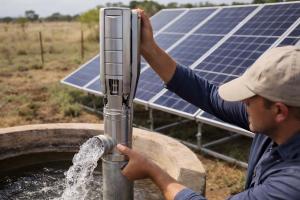
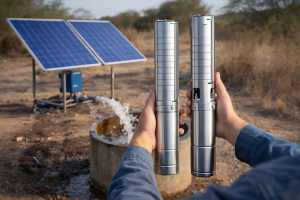
These pumps are powered by solar panels and feature a smart controller that maximizes the use of free solar energy.
The system automatically operates the pump whenever the sun is out.
The smart controller, often using Maximum Power Point Tracking (MPPT), adjusts the pump's speed based on the intensity of the sunlight to ensure it's always running at peak efficiency.
If you need to run the pump on a cloudy day or at night, the controller automatically switches to AC grid power.
This provides the best of both worlds: the 24/7 operational capability of a grid-tied pump with the near-zero running cost of a solar pump.
You get a perfectly clean pool with minimal impact on your electricity bill or the environment.
Conclusion
Running a pool pump 24/7 is an outdated and costly strategy.
Modern, efficient pumps and smart scheduling deliver superior results for less money and less wear on your equipment.
FAQs
Can I run my pool pump 4 hours a day?
Yes, but it's likely not enough for most pools.
A 4-hour run time may not fully turn over the water, leading to clarity and algae issues over time.
Is it cheaper to run a pool pump at night?
It can be if your utility offers lower off-peak electricity rates.
However, solar pumps make daytime operation virtually free, which is the most cost-effective solution overall.
Should I run my pool pump after it rains?
Yes, it's a great idea.
Rain can introduce contaminants and affect water chemistry, so running the pump for a few extra hours helps filter the water and redistribute chemicals.
How many hours a day should a variable speed pool pump run?
Variable-speed pumps are most efficient when run for longer periods (12-24 hours) at a very low speed.
This provides superior filtration while using minimal energy.
What is the most energy-efficient pool pump?
AC/DC solar hybrid pumps are the most energy-efficient.
They prioritize free solar power for daytime operation and only use grid electricity when absolutely necessary, drastically reducing costs.
Do I need to run my pool pump every day in the winter?
If you don't close your pool, yes, but for fewer hours.
Run it just long enough to prevent freezing and circulate chemicals, typically 2-4 hours a day.
Can running a pump dry ruin it?
Absolutely.
Running a pump without water flow for even a few minutes can cause the motor to overheat and damage the seals, leading to costly repairs.
How do I know if my pool pump is strong enough?
Your pump is strong enough if it can turn over your entire pool's volume in an 8-10 hour window.
If it takes much longer, the pump may be undersized.